E-mail:
sales@silicone-sealant-china.com

Views: 244 Mar 21 , 2026
Seasonal Variations in Sealant Inspection Priorities Sealants play a crucial role in maintaining the integrity of buildings and structures by preventing the ingress of water, air, and other elements. However, different seasons bring unique environmental conditions that can impact the performance of sealants. Understanding these seasonal variations is essential for...
Views: 250 Mar 21 , 2026
Seasonal Variations in Sealant Inspection Priorities Sealants play a crucial role in maintaining the integrity of buildings and structures by preventing the ingress of water, air, and other elements. However, different seasons bring unique environmental conditions that can impact the performance of sealants. Understanding these seasonal variations is essential for...
Views: 270 Mar 18 , 2026
Key Prohibitions for Handling Surface Contamination After Sealant Application After applying sealant in various settings, from bathrooms to construction joints, dealing with surface contamination is a common challenge. However, certain actions can exacerbate the problem or damage the sealant. Here are some crucial things to avoid when addressing surface contamination...
Views: 454 Mar 18 , 2026
How Bathroom Sealants Age When Exposed to Hot Water Bathroom sealants are essential for preventing water leaks and maintaining the structural integrity of bathrooms. However, their longevity can be significantly affected when they come into contact with hot water. Understanding the factors that influence this aging process is crucial for homeowners and property...
Views: 264 Mar 18 , 2026
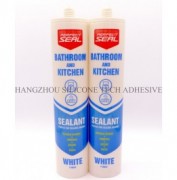
Long-Term Protective Measures for Unused Bathroom Sealants When a bathroom isn't in regular use, the sealants around sinks, showers, and bathtubs can still face potential damage if left unprotected. These sealants play a crucial role in preventing water leakage, mold growth, and structural damage. However, without proper long-term care, they can deteriorate, leading to...
Views: 351 Mar 17 , 2026
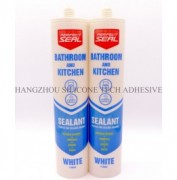
Chemical Disinfectant Compatibility After Sealant Application Sealants are widely used in various settings, from residential bathrooms and kitchens to commercial and industrial facilities, to create watertight or airtight seals around joints, fixtures, and surfaces. After applying sealant, ensuring its compatibility with chemical disinfectants is crucial, especially in...
Views: 259 Mar 17 , 2026
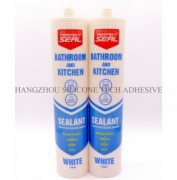
Protecting Bathroom Sealant from UV Damage After Application Bathroom sealants are essential for preventing water leaks and maintaining a watertight environment around sinks, showers, tubs, and other fixtures. However, even in indoor bathrooms, UV rays from windows or skylights can gradually degrade sealant materials over time, leading to cracking, discoloration, and...
Views: 251 Mar 17 , 2026
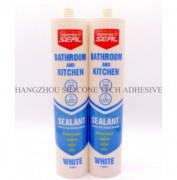
The Impact of Localized Sealant Damage on Overall Waterproofing Performance Sealants play a critical role in maintaining the integrity of waterproofing systems across various construction applications, from roofing and facades to plumbing and industrial installations. When localized damage occurs—whether due to aging, environmental stress, improper installation, or...
Views: 264 Mar 15 , 2026
Maintenance and Care Cycles for Sealants After Application Sealants are widely used in construction, automotive, and industrial applications to create airtight or watertight barriers. However, their longevity and performance depend heavily on post-application maintenance. Below is a detailed guide to understanding and implementing proper care cycles for different types...
Views: 266 Mar 15 , 2026
Choosing Sealants for Different Water Quality Regions: Key Considerations Water quality varies significantly across regions due to differences in mineral content, pH levels, and chemical additives. These variations can impact the performance and longevity of sealants used in plumbing, tiling, and construction. Understanding how water quality affects sealant selection...
Views: 263 Mar 15 , 2026
Preventing Microbial Growth After Sealant Application: Strategies for Long-Term Protection Sealants are widely used in bathrooms, kitchens, and other moisture-prone areas to create watertight barriers. However, their porous nature and exposure to humidity make them vulnerable to microbial growth if not properly managed. Understanding how to prevent mold, mildew, and...
Views: 273 Mar 13 , 2026
Long-Term Safety of Bathroom Sealants in Human Contact: A Comprehensive Analysis Bathroom sealants are essential for preventing water damage and mold growth, but their long-term safety when in constant contact with humans remains a concern. This analysis explores the chemical composition, health risks, and preventive measures associated with bathroom...
Copyright 2019 by Hangzhou Silicone Tech Adhesive Co., Ltd. All rights reserved.
Bathroom Sealant | Acrylic Sealant | Dow Corning 795 | Aquarium Sealant | Dow Corning 732 | Clear Silicone Sealant | Polysulfide Sealant | Glazing Sealant | Mirror Sealant | IG Sealant
Powered by Onepound


