E-mail:
sales@silicone-sealant-china.com

When you've just had sealant applied in your living space, whether it's in the bathroom, kitchen, or other areas, there are certain precautions you need to take. One crucial aspect is understanding how long to avoid contact with cosmetics after the sealant is put in place. Cosmetics can interact with the sealant in various ways, potentially affecting its performance and longevity. Here's a detailed look at what you need to know.
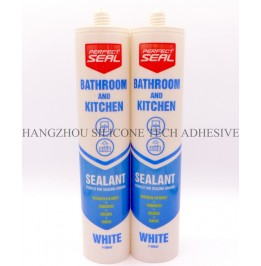
Sealants are formulated with specific chemicals to create a strong, durable bond and provide a protective barrier. Cosmetics, on the other hand, contain a wide range of ingredients such as oils, fragrances, and preservatives. These substances can react with the chemicals in the sealant. For example, the oils in some cosmetics can soften the sealant, making it more prone to damage and reducing its ability to adhere properly. Fragrances might contain solvents that can dissolve or weaken the sealant over time, leading to premature failure.
In addition to chemical interactions, cosmetics can also cause physical damage to the sealant. When you apply cosmetics near a freshly - sealed area, there's a risk of accidentally scratching or abrading the sealant surface. Powders and fine particles in cosmetics can get embedded in the sealant, creating an uneven appearance and potentially providing a breeding ground for bacteria. Moreover, if you spill liquid cosmetics on the sealant, the liquid can seep into small pores or cracks, further compromising its integrity.
The appearance of the sealant is an important factor, especially in areas like bathrooms and kitchens where aesthetics play a significant role. Cosmetics can leave stains on the sealant, especially if they contain dyes or pigments. These stains can be difficult to remove and may require special cleaning methods, which could potentially damage the sealant further. Even if the stains are removed, the sealant might still have a dull or discolored appearance, detracting from the overall look of the space.
For short - term sealants, which are typically used for temporary fixes or in areas with low traffic and minimal exposure to moisture, the waiting period before contact with cosmetics can be relatively short. However, it's still important to allow sufficient time for the sealant to cure. In general, you should wait at least 24 to 48 hours before applying any cosmetics near the sealed area. This gives the sealant enough time to start forming a solid bond and reduces the risk of immediate damage from chemical or physical interactions.
During this waiting period, keep the area clean and dry. Avoid using any cleaning products or sprays that could come into contact with the sealant. If you need to clean the surrounding area, use a soft, damp cloth and gentle wiping motions. Also, make sure to keep pets and children away from the sealed area to prevent accidental contact with cosmetics or other substances.
Long - term sealants are designed to provide a durable, long - lasting seal in high - traffic areas or areas exposed to moisture, such as showers, sinks, and countertops. These sealants require a longer curing time to reach their full strength and performance capabilities. As a general rule, you should wait at least 72 hours to a week before allowing cosmetics to come into contact with long - term sealants.
The extended waiting period is necessary because long - term sealants often contain more complex chemical formulations that take longer to fully cure. During this time, the sealant is still in a relatively soft and vulnerable state, and contact with cosmetics can have a more significant impact on its performance. To ensure the best results, follow the manufacturer's instructions regarding the curing time, as different types of long - term sealants may have varying requirements.
Bathrooms are one of the most common areas where sealants are used, and they're also a place where cosmetics are frequently applied. When dealing with bathroom sealants, such as those around the bathtub, shower, or sink, the waiting period before contact with cosmetics is especially important due to the high levels of moisture in the environment.
In addition to the general waiting periods mentioned above, you should also take extra precautions to protect the sealant during the curing process. For example, you can use a plastic sheet or a temporary barrier to cover the sealed area and prevent water and cosmetics from coming into contact with it. Also, avoid using harsh cleaning products or abrasive sponges in the bathroom during this time, as they could damage the sealant.
Kitchen sealants are used around countertops, backsplashes, and sinks to prevent water and food particles from seeping into the gaps. While cosmetics may not be as commonly used in the kitchen as in the bathroom, there are still some products like hand lotions or cleaning sprays that could come into contact with the sealant.
For kitchen sealants, follow the same waiting periods as for other types of sealants based on whether they are short - term or long - term. Additionally, be mindful of food preparation and cooking activities during the curing process. Avoid splashing hot liquids or oils near the sealed area, as these could affect the sealant's curing and performance.
In conclusion, understanding the appropriate waiting period before contact with cosmetics after sealant application is essential for maintaining the integrity and appearance of the sealant. By following the recommended guidelines and taking special considerations for different areas, you can ensure that your sealant performs as expected and provides long - lasting protection for your living space.
Copyright 2019 by Hangzhou Silicone Tech Adhesive Co., Ltd. All rights reserved.
Bathroom Sealant | Acrylic Sealant | Dow Corning 795 | Aquarium Sealant | Dow Corning 732 | Clear Silicone Sealant | Polysulfide Sealant | Glazing Sealant | Mirror Sealant | IG Sealant
Powered by Onepound


