E-mail:
sales@silicone-sealant-china.com

When you've just finished applying bathroom sealant, the last thing you want is pet excrement to contaminate the area. Not only does it create an unpleasant smell, but it can also damage the newly - applied sealant and pose health risks. Here's a comprehensive guide on how to handle this situation effectively.
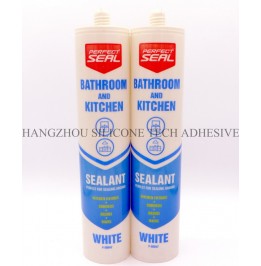
Pet excrement, whether it's urine or feces, contains various substances that can interact with the bathroom sealant. Urine is acidic, and over time, it can corrode the sealant, leading to discoloration, cracking, or even complete breakdown. Feces, on the other hand, can leave behind solid particles and bacteria. If not cleaned promptly, these bacteria can multiply and cause further damage to the sealant and the surrounding surfaces. Moreover, the strong odor of pet excrement can linger in the bathroom, making it an uncomfortable space for you and your family.
If your pet has left solid feces on the bathroom floor or near the newly - sealed areas, the first step is to remove it carefully. Put on a pair of disposable gloves to protect your hands from bacteria and germs. Use a plastic bag or a dedicated pet waste scoop to pick up the feces. Place the feces in a sealed plastic bag and dispose of it in an outdoor trash bin immediately. Avoid using your bare hands or a regular broom, as this can spread bacteria and contaminate other areas of the bathroom.
For fresh urine stains, quick absorption is crucial. Place several layers of paper towels or old towels over the urine spot. Press down firmly to soak up as much of the liquid as possible. Replace the towels as they become saturated until no more urine can be absorbed. If the urine has seeped into the grout lines or the edges of the sealant, use a small brush or an old toothbrush to gently scrub the area while applying pressure with the towels. This will help to lift the urine from the porous surfaces.
Enzymatic cleaners are highly effective in breaking down the organic compounds in pet excrement, such as proteins and fats. These cleaners contain natural enzymes that target and eliminate the source of the odor, rather than just masking it. Apply the enzymatic cleaner generously to the contaminated area, making sure to cover the sealant, grout lines, and any adjacent surfaces. Let the cleaner sit for the recommended time on the product label, usually around 10 - 15 minutes. This allows the enzymes to work their magic and break down the excrement residues.
After the enzymatic cleaner has had time to work, use a soft - bristled brush or a sponge to scrub the area gently. Focus on the sealant and grout lines, as these are the areas where excrement is likely to get trapped. Scrub in a circular motion to ensure thorough cleaning. Once you've scrubbed the area, rinse it thoroughly with clean water. You can use a bucket of water and a sponge or a handheld showerhead if available. Make sure to remove all traces of the cleaner and the excrement residues.
To kill any remaining bacteria and germs, it's important to disinfect the area. You can use a solution of white vinegar and water (1:1 ratio) as a natural disinfectant. Vinegar has antibacterial properties and can help neutralize odors. Pour the vinegar solution into a spray bottle and spray it evenly over the cleaned area. Let it sit for a few minutes, then wipe it off with a clean, damp cloth. Alternatively, you can use a commercial disinfectant that is safe for use on bathroom surfaces, following the instructions on the label carefully.
One of the most effective ways to prevent future contamination is to train your pet to use the appropriate area for elimination. If you have a cat, make sure the litter box is clean and easily accessible. Place it in a quiet, private location in the house. For dogs, establish a regular potty - training routine. Take your dog outside frequently, especially after meals, naps, and playtime. Reward your pet with treats and praise when they use the designated area correctly, which will reinforce good behavior.
If your pet has a tendency to enter the bathroom, consider creating physical barriers to prevent access during the sealant curing period. You can use baby gates or pet gates to block the bathroom doorway. Make sure the gates are securely installed and tall enough to prevent your pet from jumping over them. Additionally, you can close the bathroom door and keep it locked when you're not around to supervise your pet.
Keeping the bathroom clean on a regular basis can also help prevent pet excrement contamination. Sweep or vacuum the floor daily to remove any loose dirt or debris. Wipe down the surfaces, including the sealant, with a damp cloth to keep them free of dust and bacteria. Check the litter box or the designated potty area for your pet frequently and clean it as needed. By maintaining a clean and hygienic bathroom environment, you can reduce the chances of your pet leaving excrement in unwanted areas.
In conclusion, dealing with pet excrement contamination after bathroom sealant application requires immediate action, thorough cleaning, and preventive measures. By following the steps outlined in this guide, you can effectively remove the excrement, disinfect the area, and prevent future contamination, ensuring that your bathroom remains clean, safe, and odor - free.
Copyright 2019 by Hangzhou Silicone Tech Adhesive Co., Ltd. All rights reserved.
Bathroom Sealant | Acrylic Sealant | Dow Corning 795 | Aquarium Sealant | Dow Corning 732 | Clear Silicone Sealant | Polysulfide Sealant | Glazing Sealant | Mirror Sealant | IG Sealant
Powered by Onepound


