E-mail:
sales@silicone-sealant-china.com

Views: 18 Oct 06 , 2026
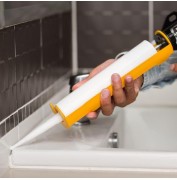
What is sanitary silicone? Sanitary silicone is a mould-resistant silicone sealant formulated for wet, humid areas — bathrooms, kitchens, showers, and wet rooms. What separates it from a standard silicone is a built-in fungicide, or biocide, that stops mould and mildew growing on the seal itself. Most sanitary grades are also neutral-cure, so they will not corrode...
Views: 22 Oct 03 , 2026
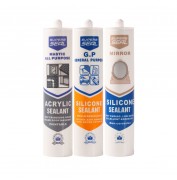
How do you remove all-purpose silicone sealant? Old silicone beads crack, trap mold, and block adhesion for new sealant. Cutting corners during removal causes the fresh bead to peel within months. Doing the job right takes patience, a sharp blade, and the right solvent. Gather the right tools first Basic removal kit You need a utility knife or razor scraper, a plastic...
Views: 37 Sep 27 , 2026
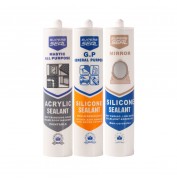
Can you paint over silicone sealant? Short answer: no. Paint will not stick to a standard silicone sealant once it has cured. Silicone is built to repel water, dirt, and almost everything else — that is exactly what makes it a good weather seal — and that same property makes it reject paint. The coating beads up on the bead, then flakes or peels away within weeks....
Views: 139 Sep 22 , 2026
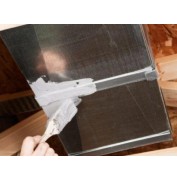
The Short Answer To seal a duct vent correctly, remove the grille, seal the gap between the metal register boot and the wall, ceiling, or floor, and then seal any accessible seams in the duct connection. Use HVAC duct mastic or a compatible UL 181-listed foil tape on duct joints, and use caulk or another suitable perimeter sealant where the boot meets the finished surface. Let...
Views: 119 Sep 20 , 2026
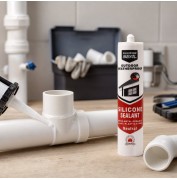
Will silicone stick to plastic, metal, or wood? The honest answer is: metal yes, wood mostly yes, plastic depends entirely on which plastic. Silicone bonds well to steel, aluminium, and most timber, but PVC pipe and ABS fittings behave very differently from a polyethylene bucket or a PTFE-lined tray. Get the substrate wrong and the bead will peel; get it right and the...
Views: 89 Sep 13 , 2026
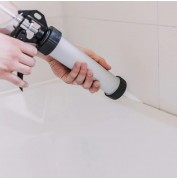
Will new silicone stick to old silicone residue? Short answer: no — not reliably. New silicone will not form a proper bond with cured silicone residue left behind in a joint. It may look fine for a few weeks, but the new bead will sit on top of the old material rather than fusing to the substrate, and sooner or later it peels away. This is the single biggest reason...
Views: 78 Sep 11 , 2026
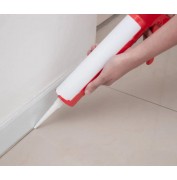
Can I use all-purpose silicone in the bathroom or kitchen? It is one of the most common questions we hear from installers and DIY enthusiasts: you have a cartridge of all-purpose silicone left over from another job — can you use it to seal around the bath, shower, or kitchen sink? Technically, yes. Should you? In most cases, no. Bathrooms and kitchens are the...
Views: 84 Sep 05 , 2026
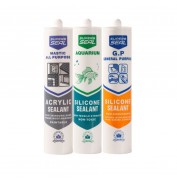
How long does all-purpose silicone take to dry and fully cure? Contractors need to know when a joint is ready for water, paint, or traffic. All-purpose silicone seems simple, but drying and curing are not the same thing. Understanding the timeline protects the finish and the warranty. Drying is not the same as curing What dry to the touch means Most all-purpose silicone...
Views: 112 Sep 01 , 2026
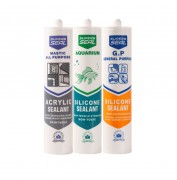
What is better, silicone or latex caulk? Contractors often face a simple question at the jobsite: what is better, silicone or latex caulk? The answer depends on the surface, the exposure, and whether the joint needs paint. Each product has clear strengths. Pick the right one and the seal lasts for years. The short answer Pick latex for paintable, dry joints Latex caulk,...
Views: 179 Aug 28 , 2026
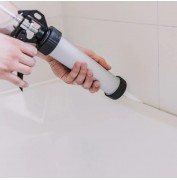
What material will silicone not stick to? Silicone sealant is famous for sticking to almost anything — glass, ceramic, metal, wood, masonry — but there are a handful of materials where it simply refuses to form a lasting bond. If you have ever watched a silicone bead peel away from a freshly sealed joint, or wondered why your repair fell apart hours after...
Views: 131 Aug 24 , 2026
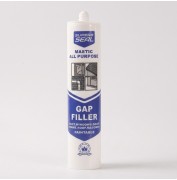
What is a caulk used for? Caulk is a flexible filler that contractors squeeze into gaps, joints, and cracks. It seals against air, water, dust, and pests, and it gives painted surfaces a clean transition. Most caulks are paintable, easy to apply, and clean up with water before they cure. What caulk actually does Fills gaps and cracks Every building moves. Frames shift,...
Views: 99 Aug 19 , 2026
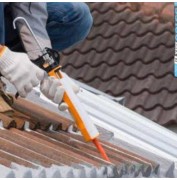
What is the best sealant for outdoors? Outdoor sealants face UV rays, rain, frost, and constant movement. The best sealant for outdoors resists all of these without cracking, shrinking, or losing adhesion. Picking the right product saves labor, prevents leaks, and keeps exterior joints looking clean for years. Why Outdoor Sealants Fail UV breaks down weak polymers Direct...
Copyright 2019 by Hangzhou Silicone Tech Adhesive Co., Ltd. All rights reserved.
Bathroom Sealant | Acrylic Sealant | Dow Corning 795 | Aquarium Sealant | Dow Corning 732 | Clear Silicone Sealant | Polysulfide Sealant | Glazing Sealant | Mirror Sealant | IG Sealant
Powered by Onepound


