E-mail:
sales@silicone-sealant-china.com

Views: 117 Aug 16 , 2026
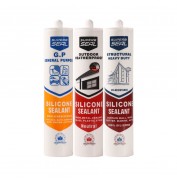
What are the key differences between structural silicone and regular silicone? Structural silicone and regular silicone may look the same in a cartridge, but engineers design them for very different jobs. The key differences come down to load-bearing capacity, strength standards, application areas, and cost. Choosing the right type keeps your project safe, watertight, and...
Views: 142 Aug 12 , 2026
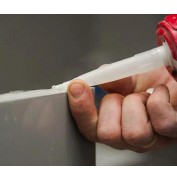
How Long Does Silicone Seal Last? A quality silicone seal can last 10 to 20 years indoors and 5 to 10 years outdoors. Some premium formulations reach 25 years in sheltered conditions. The real lifespan depends on product grade, surface prep, joint design, and exposure to sun, heat, and chemicals. What Affects Silicone Seal Lifespan Product grade and...
Views: 161 Aug 10 , 2026
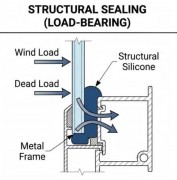
What is the difference between structural silicone and regular silicone? Both tubes may look similar on the shelf, but structural silicone and regular silicone are built for very different jobs. One is designed to hold things together under stress; the other is meant to keep water, air, and dust out. Choosing the wrong type can lead to failed seals, safety issues, and...
Views: 96 Aug 10 , 2026
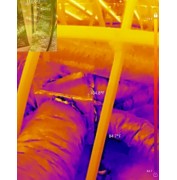
How do I know if my ducts are leaking? If one room in your house never reaches the right temperature while another feels like a freezer, your ducts could be the culprit. Leaky ductwork quietly wastes energy, raises utility bills, and forces your HVAC system to work harder than it should. The good news is that the warning signs are usually easy to spot once you know what to...
Views: 172 Aug 05 , 2026
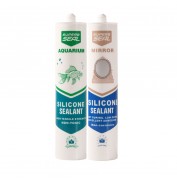
What Is the Difference Between Silicone Sealant and Acrylic Sealant? Walk into any hardware store and you will see two tubes that look almost identical—one labeled silicone sealant, one labeled acrylic. Pick the wrong one and you may end up with peeling paint, cracked joints, or a gap that lets in water. The good news: the two products are built for different jobs, and...
Views: 225 Jul 30 , 2026
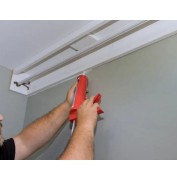
Is Silicone Sealant Toxic to Humans? Silicone sealant shows up everywhere around the house—bathrooms, kitchens, windows, and aquariums. It is flexible, waterproof, and long-lasting. But once the tube is open, a sharp chemical smell fills the room, and it is natural to wonder: is silicone sealant toxic to humans? The short answer is that cured silicone is generally...
Views: 127 Jul 30 , 2026
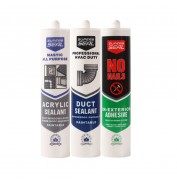
How to Choose the Right Silicone Sealant for Your Project Picking a sealant sounds straightforward until you're staring at a wall of tubes, each claiming to be the one you need. The wrong pick means leaks, mold growth, or joints that crack apart within a season. The right one can hold up for decades without any attention at all. Here's what actually matters when you're...
Views: 300 Jul 22 , 2026
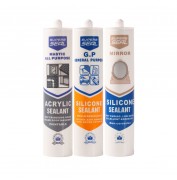
How long will a silicone seal last? Silicone sealants are among the most reliable and long-lasting materials used in construction, manufacturing, and household repairs. Whether you are sealing a bathroom, glazing a window, or bonding components in an industrial setting, one question always comes up: how long will a silicone seal last? The honest answer is — it depends. With...
Views: 225 Jul 19 , 2026
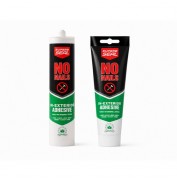
It is the question every first-time user asks while standing in the aisle, tube in hand: can this stuff actually hold up the shelf, or am I going to find it on the floor in three weeks? The marketing claims are bold. The real answer is more useful than any brochure. Short version: a single metre of No More Nails adhesive bead will hold somewhere between 40 and...
Views: 180 Jul 16 , 2026
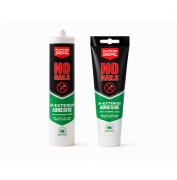
You have probably seen the green and white tube in a hardware shop and wondered if the marketing is real. Can a single tube of glue really replace every nail in your toolbox? Short answer: not every nail — but more of them than you would expect. No More Nails has been around for decades now, and the reason it keeps selling is not the packaging. It works. What No...
Views: 269 Jul 10 , 2026
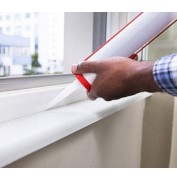
Introduction Windows and doors are the most vulnerable points in any building envelope. Every gap around a window frame, every joint between a door threshold and the floor, every seam where exterior cladding meets an opening — these are potential entry points for water, drafts, dust, insects, and noise. The U.S. Department of Energy estimates that air leaks through...
Views: 274 Jul 09 , 2026
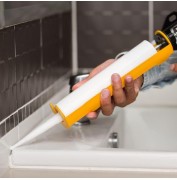
Introduction Bathrooms and kitchens are the most water-intensive areas in any building. From shower spray and sink splashes to steam condensation and pipe leaks, these spaces subject sealants to relentless moisture, temperature fluctuations, cleaning chemicals, and structural movement. When the sealant fails, water penetrates behind tiles, into drywall, under fixtures,...
Copyright 2019 by Hangzhou Silicone Tech Adhesive Co., Ltd. All rights reserved.
Bathroom Sealant | Acrylic Sealant | Dow Corning 795 | Aquarium Sealant | Dow Corning 732 | Clear Silicone Sealant | Polysulfide Sealant | Glazing Sealant | Mirror Sealant | IG Sealant
Powered by Onepound


