
How do I know if my ducts are leaking?
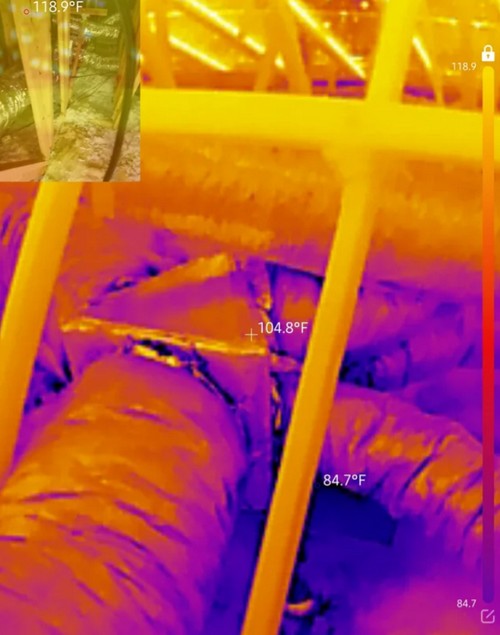
If one room in your house never reaches the right temperature while another feels like a freezer, your ducts could be the culprit. Leaky ductwork quietly wastes energy, raises utility bills, and forces your HVAC system to work harder than it should. The good news is that the warning signs are usually easy to spot once you know what to look for.
Common Signs Your Ducts Are Leaking
Uneven temperatures from room to room
When conditioned air escapes through gaps or disconnected joints, some rooms get plenty of airflow while others get almost none. Walk through your home while the system is running. If one bedroom stays stubbornly hot in summer or cold in winter, air is probably leaking before it reaches the vent.
Higher energy bills without explanation
A sudden jump in heating or cooling costs often points to lost air. Your system runs longer to compensate for the air escaping into walls, attics, or crawl spaces. If your usage habits have not changed but your bill has, inspect the ductwork.
Excess dust and poor indoor air quality
Leaks in return ducts can pull dust, insulation particles, and attic air into your ventilation system. If you find yourself dusting more often or notice allergy symptoms flaring up, your ducts may be drawing in contaminants from unconditioned spaces.
Whistling, rattling, or hissing sounds
Air forced through small openings creates noise. Listen near vents, basements, and attic hatches while the blower is on. A persistent whistle or hiss usually means a gap or crack is letting air escape under pressure.
How to Confirm a Leak
Visual inspection
Turn off the system and look at exposed ductwork. Check seams, joints, and connections around the air handler. Small gaps, disconnected flex duct, or rust stains are clear indicators. Pay special attention to areas where ducts pass through walls or ceilings.
The smoke or incense test
With the HVAC fan running, hold a thin stream of smoke or incense near seams and registers. If the smoke wavers or gets sucked into a joint, you have found a leak. This low-tech method is surprisingly effective for locating problem spots.
Professional pressure test
For a precise measurement, an HVAC technician can pressurize the system and measure how much air escapes. This gives you a clear picture of total leakage and helps prioritize repairs.
Seal the Leaks and Stop the Waste
Once you locate leaks, sealing them with a durable silicone sealant designed for HVAC applications can restore airflow and cut energy waste. Silicone stays flexible after curing, so it handles the expansion and contraction that ductwork experiences during heating and cooling cycles.
For structural glass or heavy-duty industrial joints, a two-component structural silicone sealant offers the strength and adhesion needed for demanding environments. If you need a paintable option for exposed surfaces, an acrylic mastic sealant can give you a clean, finishable seal.
Catching and fixing duct leaks early protects your HVAC investment, improves comfort, and keeps indoor air cleaner. Start with the simple checks above, then seal what you find before small gaps turn into big costs.


