E-mail:
sales@silicone-sealant-china.com

Walk into any hardware store and you will see two tubes that look almost identical—one labeled silicone sealant, one labeled acrylic. Pick the wrong one and you may end up with peeling paint, cracked joints, or a gap that lets in water. The good news: the two products are built for different jobs, and once you understand what each one does, the choice is straightforward. This guide breaks down silicone vs acrylic sealant in plain language so you can pick the right tube with confidence.
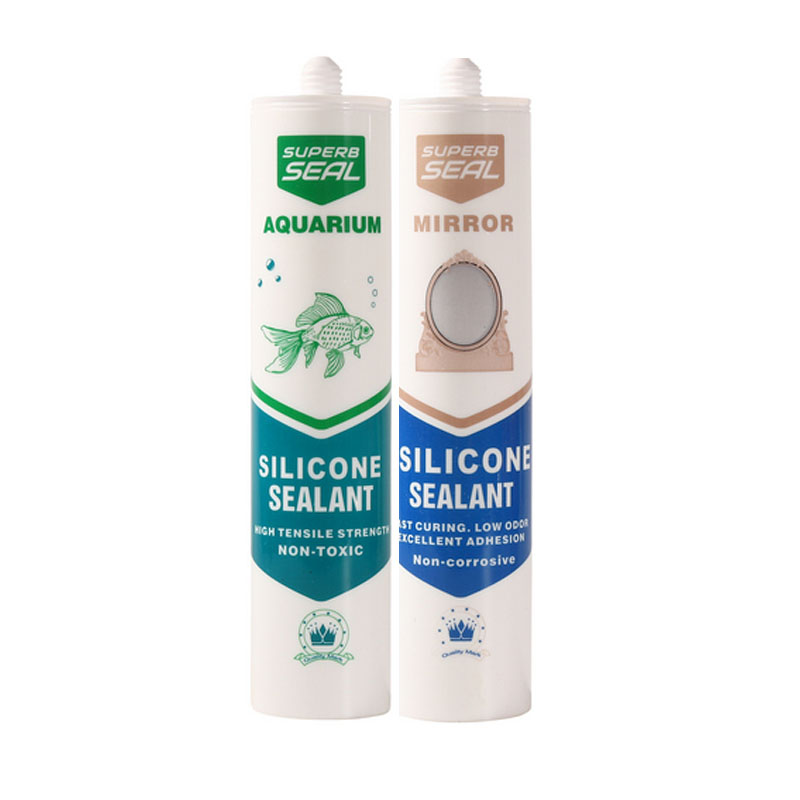
Silicone sealant is built around silicone polymers that cure into a rubbery, waterproof skin. Once cured, it stays flexible across a wide temperature range, resists UV and water, and bonds strongly to glass, glazed tile, metal, and many plastics. Specialty grades—like aquarium sealant or mirror sealant—are formulated for non-toxicity or non-corrosive adhesion. A versatile general-purpose silicone sealant such as Dow Corning 732 is the go-to choice for many construction and assembly jobs.
Most silicone sealants cure by reacting with moisture in the air. Acetoxy-cure types release a mild vinegar smell during curing and cure quickly. Neutral-cure types release alcohols or oximes, smell less, and are safer on sensitive metals or electronics. Either way, the cured rubber is chemically stable and stays elastic for years without hardening or cracking.
Silicone sealant is the better choice wherever water, heat, or movement are in play: bathrooms, showers, kitchen sinks, window frames, exterior cladding, aquariums, glass-to-glass joints, and roofing details. For demanding structural jobs—such as a structural insulating glass silicone sealant for curtain walls or insulated glazing—silicone is essentially the only option that holds up long-term.
Acrylic sealant—often sold as acrylic caulk or mastic—is water-based and cures by evaporation. The cured joint is firmer and more rigid than silicone, but it accepts paint easily and cleans up with water while still wet. It is a favorite for interior trim work, drywall repairs, and any gap where you want a smooth, paintable finish rather than a glossy rubber bead. A standard acrylic mastic sealant is typically the most economical choice for indoor joints that do not see constant water.
Acrylic sealants are emulsions of acrylic resins in water. As the water evaporates, the resin particles fuse into a solid, slightly flexible mass. Curing is slower than silicone in cold or humid conditions, but the resulting joint sands smoothly and holds paint without the “fish-eye” effect that silicone often causes.
Acrylic sealant shines in dry, interior settings: filling cracks in plaster, sealing joints between drywall and trim, repairing nail holes, and bridging small gaps around door and window frames before painting. It also handles light-duty ceiling and baseboard work well. It is not designed for areas that stay wet or for joints that expand and contract significantly with temperature swings.
The simplest rule: choose silicone for wet, exterior, or moving joints where flexibility and waterproofing matter; choose acrylic for dry, interior joints where you want to paint over the sealant and keep costs down. If you need both—a waterproof bathroom joint that also needs to be painted—apply silicone first, then use a flexible paintable caulk on top, or pick a hybrid acrylic-silicone blend designed for that situation. Reading the tube label and matching the product to the environment is the easiest way to get a long-lasting, professional result.
Copyright 2019 by Hangzhou Silicone Tech Adhesive Co., Ltd. All rights reserved.
Bathroom Sealant | Acrylic Sealant | Dow Corning 795 | Aquarium Sealant | Dow Corning 732 | Clear Silicone Sealant | Polysulfide Sealant | Glazing Sealant | Mirror Sealant | IG Sealant
Powered by Onepound


