E-mail:
sales@silicone-sealant-china.com

Silicone sealant shows up everywhere around the house—bathrooms, kitchens, windows, and aquariums. It is flexible, waterproof, and long-lasting. But once the tube is open, a sharp chemical smell fills the room, and it is natural to wonder: is silicone sealant toxic to humans? The short answer is that cured silicone is generally considered low in toxicity, while uncured sealant needs more caution. In this post, we break down what the research says and how to use these products safely.
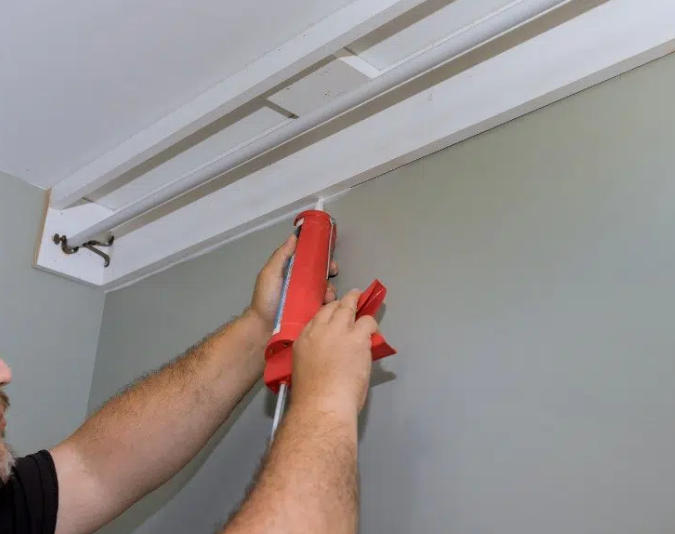
Most silicone sealants are made from silicone polymers combined with fillers, catalysts, and curing agents. During curing, they release acetic acid (acetoxy-cure types) or alcohols (neutral-cure types). That vinegar-like smell is the acetic acid evaporating, not the sealant itself staying in the joint. Once fully cured, the material becomes a stable rubber that does not off-gas in the same way. Many general-purpose silicone sealants sold for construction use follow this same chemistry.
The main safety distinction is between cured and uncured product. Uncured sealant can irritate skin and eyes and should not be ingested. Cured silicone, on the other hand, is chemically inert for most everyday uses. It does not support mold growth, does not leach significant chemicals into water, and is stable across a wide temperature range.
During application and curing, silicone sealants can release low levels of volatile organic compounds (VOCs). These levels are usually much lower than solvent-based caulks or polyurethane sealants. Still, good ventilation matters. Open windows, run an exhaust fan, and let the area cure for 24 to 72 hours before heavy use. If you are sensitive to smells, a neutral-cure silicone is usually less odorous than an acetoxy-cure type.
Not every silicone sealant is food-safe. For aquariums, kitchen counters, or areas that touch food, look for products labeled FDA-compliant or specifically rated for food contact. A structural insulating glass silicone sealant is engineered for glazing, not for food contact, so matching the product to the job is essential. When in doubt, check the technical data sheet.
Using silicone sealant safely is straightforward. Wear disposable gloves, keep the room ventilated, avoid touching your face, and wash hands after application. Store tubes out of reach of children and pets. If sealant gets on skin, wipe it off promptly with a dry cloth before it starts to cure. For larger projects, safety glasses and a basic respirator add an extra layer of protection.
For typical household and industrial uses, cured silicone sealant is not considered toxic to humans. The main concerns apply to the uncured product and to making sure you pick the right grade for the environment. Whether you need a paintable acrylic mastic sealant for interior trim or a specialized silicone for glazing, reading the label and curing it properly will keep your project safe.
Copyright 2019 by Hangzhou Silicone Tech Adhesive Co., Ltd. All rights reserved.
Bathroom Sealant | Acrylic Sealant | Dow Corning 795 | Aquarium Sealant | Dow Corning 732 | Clear Silicone Sealant | Polysulfide Sealant | Glazing Sealant | Mirror Sealant | IG Sealant
Powered by Onepound


