E-mail:
sales@silicone-sealant-china.com

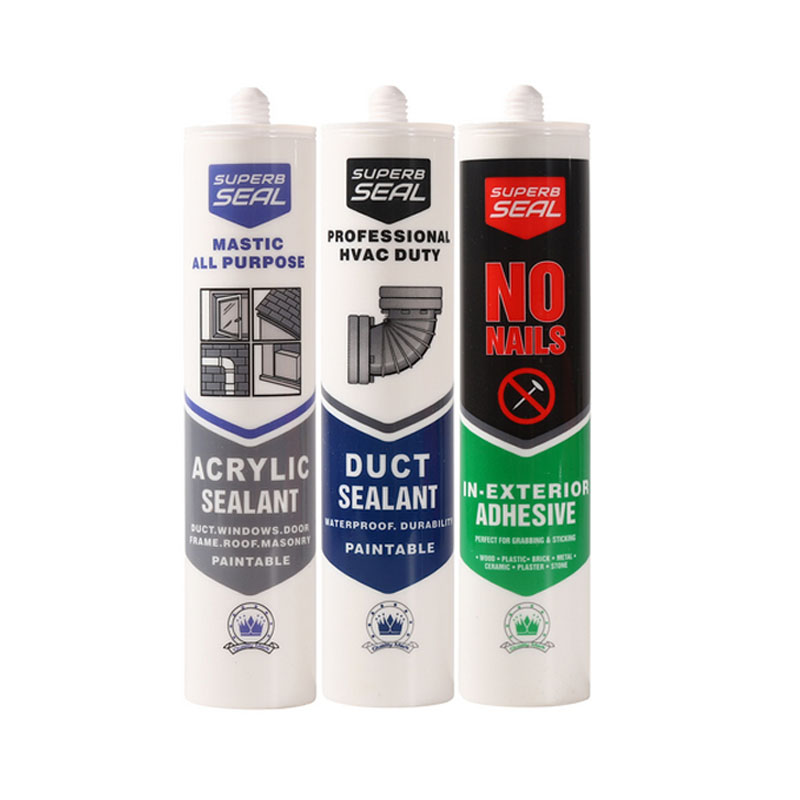
Picking a sealant sounds straightforward until you're staring at a wall of tubes, each claiming to be the one you need. The wrong pick means leaks, mold growth, or joints that crack apart within a season. The right one can hold up for decades without any attention at all.
Here's what actually matters when you're making that choice.
Not all silicone sealants work the same way. The curing chemistry determines what surfaces the sealant bonds to, how it smells during application, and where it's safe to use.
Acetoxy silicone releases acetic acid as it cures -- that sharp vinegar smell you've probably noticed before. It bonds well to glass, ceramic tile, and other non-porous surfaces. Cure speed is quick, usually skin-dry within 30 minutes.
This type works best for aquariums, bathroom fixtures, and interior glazing. For general-purpose jobs around the home or job site, a Dow Corning 732 grade silicone sealant handles most of these applications without overspending.
Neutral cure silicone gives off alcohol or oxime instead of acetic acid. No sharp smell, and it won't corrode sensitive metals. It adheres to aluminum, coated glass, plastics, and natural stone -- surfaces where acetoxy struggles or causes damage.
For structural glazing and insulating glass assemblies, a two-component structural silicone sealant delivers the strength and movement capacity these jobs demand.
Sometimes you need paintability more than flexibility. Acrylic sealants fill smaller gaps and can be painted over once dry, which makes them ideal for interior trim and decorative joints. An acrylic mastic sealant is a practical choice for those finishing touches where color matching matters.
Beyond chemistry, check the joint movement capability, temperature range, and expected exposure. Exterior joints need UV resistance and enough elasticity to handle expansion and contraction. Wet-area sealants should carry mold-resistant additives. High-movement structural joints require products tested to industry standards rather than generic hardware-store tubes.
Joint width matters. A sealant rated for ±25% movement will fail in a joint that moves more than that. Follow manufacturer guidelines for minimum and maximum joint dimensions, and always use backer rod in deep joints so the sealant cures properly from both sides.
Before you buy, run through these points:
Getting this right the first time saves rework. Match the sealant to the job, prepare the surfaces properly, and the joint will do its job quietly for years.
Copyright 2019 by Hangzhou Silicone Tech Adhesive Co., Ltd. All rights reserved.
Bathroom Sealant | Acrylic Sealant | Dow Corning 795 | Aquarium Sealant | Dow Corning 732 | Clear Silicone Sealant | Polysulfide Sealant | Glazing Sealant | Mirror Sealant | IG Sealant
Powered by Onepound


