E-mail:
sales@silicone-sealant-china.com


Views: 301 Jun 04 , 2026
I've lost count of the number of times a homeowner or contractor has asked me point-blank: "What's the absolute strongest waterproof sealant on the market?" Short answer — it depends what you're sealing. But if we're talking pure waterproofing performance that holds up outdoors, in wet conditions, and over time, the answer is almost always high-quality neutral-cure silicone...

Views: 400 Jun 04 , 2026
Introduction In the ever-evolving world of construction materials, silicone sealants have emerged as one of the most critical components for ensuring building longevity, energy efficiency, and structural integrity. Among the various types available, neutral cure silicone sealants stand out as the superior choice for modern construction projects, offering unmatched performance...
Views: 775 Jun 03 , 2026
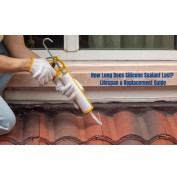
How long does silicone sealant last outside? Silicone sealant can last outside for many years when it is applied correctly and matched to the right surface. In normal exterior conditions, a good quality silicone sealant often lasts around 10 to 20 years. In harsher environments with strong UV exposure, heavy rain, salt air, frequent freeze-thaw cycles, or joint movement, the...

Views: 370 Jun 03 , 2026
Can 100% silicone be used outside? Yes. 100% silicone can be used outside, and it is one of the most reliable sealant choices for many exterior applications. A high-quality 100% silicone sealant is waterproof, flexible, and resistant to UV exposure, temperature changes, rain, snow, and general weathering. That makes it especially useful for sealing exterior windows, doors,...
Views: 519 May 25 , 2026
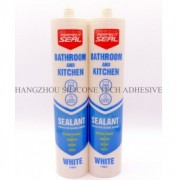
Bathroom Threshold Stone Sealant: The Invisible Barrier That Stops Water From Destroying Your Floor There's a strip of stone sitting between your bathroom and the rest of your house. You walk over it every day. You never think about it. It's just a threshold — a piece of marble, granite, or engineered stone that marks the boundary between the wet zone and the dry...
Views: 293 May 21 , 2026
Bathroom Stone Base Sealant: How to Waterproof the Joint That Everyone Ignores You can have the most beautiful marble threshold in your bathroom. You can spend a fortune on the tile work, the fixtures, the lighting. But if the stone base isn't sealed properly where it meets the floor and the wall, none of that matters. Water will get in. It always does. And when it...
Views: 436 May 21 , 2026
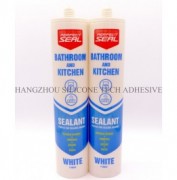
Bathroom Glass to Wall Sealant: How to Seal the Gap and Keep Water Out for Good Walk into any modern bathroom and you'll see it — that frameless glass shower screen, the glass shelf above the vanity, maybe even a glass splashback behind the basin. It looks clean, it looks expensive, and it makes the whole room feel bigger. But there's a problem hiding in plain...
Views: 330 May 21 , 2026
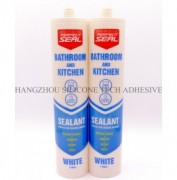
Bathroom Drain Pipe Sealant: How to Stop Leaks Before They Wreck Your Floor There's a reason most people don't think about their bathroom drain pipes until something goes wrong. They're hidden under the sink, behind the toilet, or buried in the wall. Out of sight, out of mind — until you notice a damp spot on the ceiling below, or that musty smell that never quite...
Views: 253 May 20 , 2026
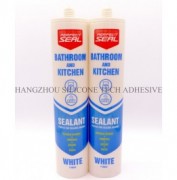
Bathroom Vanity Back Panel Sealant: The Moisture Barrier Nobody Talks About You spent weeks picking out the perfect vanity. The countertop, the basin, the hardware — all spot on. But there's one area that almost every installer rushes through, and most homeowners never even think about until it's too late: the back panel. That flat surface sitting between your vanity...
Views: 268 May 20 , 2026
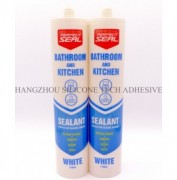
Shower Head Base Sealant: How to Lock It Down and Keep Water Where It Belongs There's nothing quite as annoying as walking into your bathroom and finding a puddle on the floor that shouldn't be there. You look up — and sure enough, water is slowly dripping from the shower head base. That little gap between the fixture and the wall has been leaking for weeks, maybe...
Views: 246 May 20 , 2026
Bathroom Wall Tile Edge Sealing with Sealant: The Complete Guide to Flawless Finishing Let's be honest — nobody talks about bathroom edge sealing until mold starts creeping along the grout lines. Then suddenly it's a five-alarm emergency. The truth is, proper sealant application around wall tiles isn't just cosmetic. It's the invisible shield between your beautiful...
Views: 1655 May 19 , 2026
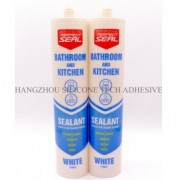
Bathroom Floor Tile Gap Sealant: How to Re-Seal Those Grout Lines Before Water Gets In Walk into any bathroom and look down. The grout lines between the floor tiles are dark, cracked, or missing entirely in spots. Maybe there is a hairline gap running from the shower base to the vanity. Maybe the grout near the drain has crumbled away and left a wide open channel....
Copyright 2019 by Hangzhou Silicone Tech Adhesive Co., Ltd. All rights reserved.
Bathroom Sealant | Acrylic Sealant | Dow Corning 795 | Aquarium Sealant | Dow Corning 732 | Clear Silicone Sealant | Polysulfide Sealant | Glazing Sealant | Mirror Sealant | IG Sealant
Powered by Onepound


