E-mail:
sales@silicone-sealant-china.com

I've lost count of the number of times a homeowner or contractor has asked me point-blank: "What's the absolute strongest waterproof sealant on the market?"
Short answer — it depends what you're sealing. But if we're talking pure waterproofing performance that holds up outdoors, in wet conditions, and over time, the answer is almost always high-quality neutral-cure silicone sealant.
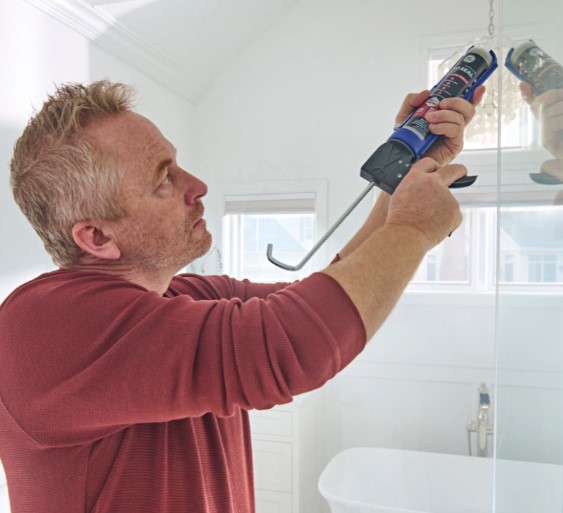
I've been doing waterproofing work for over a decade, and I can tell you: multi-purpose silicone sealant is the one I reach for 90% of the time when the joint needs to stay dry.
The reasons are pretty simple:
Here's something the package doesn't always tell you. There are two kinds of silicone, and they behave very differently:
When I'm specifying materials for a job, I almost always go with neutral-cure silicone sealant products. The performance difference is noticeable, especially on metal and stone substrates.
OK, I'll give credit where it's due. Polyurethane (PU) sealant is mechanically stronger than silicone in one specific way: abrasion resistance. If you've got a foot traffic area — like a balcony walkway or a driveway expansion joint — PU will handle the wear better than silicone.
But here's the rub: PU is not as water-resistant as silicone. Water will eventually penetrate PU if it sits in it long enough. And PU is a nightmare to tool. You've got about 15 minutes of working time before it skins over and becomes unworkable. I've had plenty of "interesting" evenings trying to fix a PU joint that went off too fast.
Here's the truth no one tells you: the sealant is only 30% of the equation. The other 70% is surface preparation.
I don't care how expensive your sealant is. If you apply it to a dusty, oily, or damp surface, it will fail. Guaranteed.
What I do before every joint:
When I applied construction-grade silicone sealant on a commercial roof project last year, we spent two full days just prepping the joints. The GC thought we were crazy. Six months later, zero leaks. The guy who rushed his prep on the adjacent wing? Called me back in March with a warranty claim.
If you want the strongest waterproof sealant for:
There's no single "strongest" product for every scenario. But if I had to pick one chemistry that covers the most bases and gives the best long-term waterproofing, it's neutral-cure 100% silicone, hands down.
Don't overthink it. Buy a good brand, prep the surface properly, and it'll outlast your roof.
Copyright 2019 by Hangzhou Silicone Tech Adhesive Co., Ltd. All rights reserved.
Bathroom Sealant | Acrylic Sealant | Dow Corning 795 | Aquarium Sealant | Dow Corning 732 | Clear Silicone Sealant | Polysulfide Sealant | Glazing Sealant | Mirror Sealant | IG Sealant
Powered by Onepound


