E-mail:
sales@silicone-sealant-china.com

Views: 373 May 13 , 2026
Bathroom Vanity Edge Sealant Finishing: How to Seal That Sink-to-Counter Joint So It Actually Lasts The vanity counter joint is the most visible sealant line in the bathroom. It runs right at eye level, right where you splash water every time you wash your hands. It sits between two materials that expand and contract at different rates—ceramic or stone on top, wood...
Views: 816 May 12 , 2026
Toilet Base Sealant Installation: The Right Way to Seal That Wax Ring Alternative Nobody talks about the toilet base seal. It sits in the corner, hidden behind the bowl, out of sight and out of mind—until it fails. Then you're standing in wet socks, pulling up baseboards, and discovering that the entire floor under the toilet is soft and black with mold. The...
Views: 451 May 12 , 2026
Bathroom Sealant Aftercare: What Nobody Tells You After the Caulking Gun Goes Away You finished the job. Every joint looks smooth, every bead is perfectly concave, and the whole bathroom smells like a construction site. You step back, pat yourself on the shoulder, and figure you're done. You're not done. Not even close. Sealant installation is maybe 20% of...
Views: 264 May 12 , 2026
Bathroom Anti-Mold Sealant Waterproofing Test: How to Confirm Your Seal Actually Holds Before You Close the Walls There is no worse feeling than watching water seep behind freshly sealed tile. You spent the weekend running sealant along every joint, smoothing every bead, and stepping back to admire your work. Then someone takes a shower on Monday morning, and by...
Views: 258 May 11 , 2026
Thick Bathroom Sealant Application: How to Fill Deep Gaps Without Ruining the Cure There's a persistent myth in bathroom waterproofing that thick sealant equals better protection. People squeeze out a fat bead—sometimes 15mm or more—into a deep gap between the tub and the tile, smooth it with their finger, and walk away feeling confident. Three months later, the...
Views: 337 May 11 , 2026
Bathroom Sealant Thin-Layer Multi-Coat Application: Why Spreading Thin Beats Piling It On There's a tendency when sealing bathrooms to think more is better. Squeeze a thick bead, smooth it once, and hope for the best. That approach works in dry rooms where the sealant sits quietly behind a cabinet. In a bathroom, where steam hits every surface daily and water pressure...
Views: 220 May 11 , 2026
Bathroom Sealant Joint Sealing: The Detail That Separates a 5-Year Fix From a 5-Month Headache Everyone focuses on which sealant to buy. Hardly anyone talks about what happens where two beads meet. That intersection—where the tub-to-wall line crosses the corner bead, or where the sink caulk runs into the backsplash joint—is the single most vulnerable point in any...
Views: 229 May 10 , 2026
Bathroom Anti-Mold Sealant Joint Sealing: What Actually Works When Water Shows Up Every Day There's a moment every homeowner dreads. You pull back the shower curtain, look down at the corner where the tub meets the wall, and see black spots creeping along the caulk line. That dark line isn't just ugly—it's mold eating through your sealant from the inside out, and by...
Views: 231 May 10 , 2026
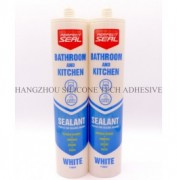
Bathroom Waterproof Sealant Substrate Leveling: The Boring Step That Keeps Your Floor Dry Nobody wants to talk about substrate leveling. It's dusty, it's slow, and it feels like busywork when you just want to squeeze some waterproof sealant into that corner and call it a day. But here's the thing—water doesn't care about your patience. It finds every low spot, every...
Views: 397 May 10 , 2026
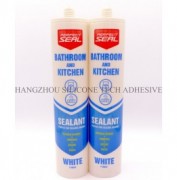
Bathroom Sealant Base Surface Preparation: The Non-Negotiable Step Behind Leak-Proof Results Let's be brutally honest—most bathroom sealant failures aren't the product's fault. They're the surface's fault. Skip proper base preparation, and even the most premium sealant will peel, crack, or mold within months. The truth is, that smooth, clean-looking countertop edge...
Views: 696 May 08 , 2026
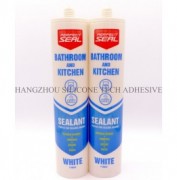
How to Apply Bathroom Sealant Properly in Damp, Steamy Conditions Without Ruining the Bond Most sealant manuals say "apply on a dry surface." Great. So how do you handle a bathroom that never actually dries? Showers run, pipes sweat, grout wicks moisture from below — your typical bathroom is a humidity war zone. Yet we still need to seal joints, baseboards, and...
Views: 253 May 08 , 2026
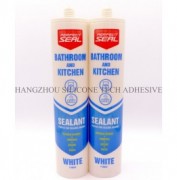
One-Pass Mold-Resistant Caulk Application for Bathrooms That Actually Lasts Nobody wants to stand in a steamy bathroom re-doing caulk every six months because black mold is already eating through the joint. The problem usually isn't the caulk itself — it's how it was applied. Most people use a gun, squeeze a bead, smooth it with a wet finger, and walk away. That...
Copyright 2019 by Hangzhou Silicone Tech Adhesive Co., Ltd. All rights reserved.
Bathroom Sealant | Acrylic Sealant | Dow Corning 795 | Aquarium Sealant | Dow Corning 732 | Clear Silicone Sealant | Polysulfide Sealant | Glazing Sealant | Mirror Sealant | IG Sealant
Powered by Onepound


