E-mail:
sales@silicone-sealant-china.com

Views: 332 Apr 29 , 2026
Step-by-Step Guide to Smoothing and Finishing Mold-Resistant Bathroom Sealant Applying mold-resistant sealant in bathrooms is a vital task for maintaining a clean, hygienic space. However, the real challenge lies in achieving a smooth, professional finish that not only looks great but also prevents water infiltration and mold growth. Here’s a detailed walkthrough of...
Views: 319 Apr 28 , 2026
Essential Tips for Filling Gaps with Bathroom Sealant Like a Pro Filling gaps in bathrooms with sealant is a critical task for preventing water damage, mold growth, and drafts. Whether you’re sealing around a bathtub, sink, or tiles, mastering the right techniques ensures a durable, watertight finish that enhances both functionality and aesthetics. Here’s a...
Views: 284 Apr 28 , 2026
Mastering the Art of Applying Bathroom Sealant for a Lasting Finish A well-applied bathroom sealant is essential for preventing water damage, mold growth, and unsightly gaps in your bathroom. Whether you’re sealing around a bathtub, sink, or shower enclosure, proper technique ensures a durable, waterproof barrier that stands up to daily use. This guide walks you...
Views: 230 Apr 28 , 2026
Elevating Bathroom Aesthetics with Matte Finish Bathroom Sealants When it comes to bathroom design, every detail matters—including the choice of sealant. While glossy finishes have long been popular, matte finish bathroom sealants are gaining traction for their ability to blend seamlessly with modern interiors while offering a sophisticated, understated look. These...
Views: 230 Apr 27 , 2026
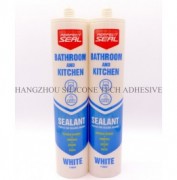
Achieving Effortless Cleaning with Stain-Resistant Bathroom Sealants Bathrooms are high-traffic areas where grime, soap scum, and water spots can quickly accumulate, turning cleaning into a daily chore. Choosing a stain-resistant bathroom sealant simplifies maintenance by creating a smooth, non-porous surface that repels dirt and moisture. These advanced formulations...
Views: 293 Apr 27 , 2026
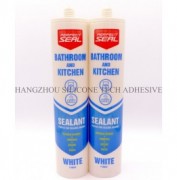
Enhancing Bathroom Durability with Heavy-Duty Sealant for Gap Filling Bathrooms are high-moisture zones where water infiltration can lead to costly damage, mold growth, and structural issues. Choosing the right sealant for gap filling is essential, especially in areas prone to heavy use or frequent exposure to water. Heavy-duty sealants designed for bathroom...
Views: 244 Apr 27 , 2026
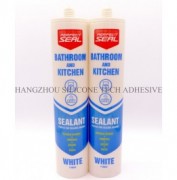
Achieving Optimal Results with Thin-Coat Application of Lightweight Kitchen and Bathroom Sealants When renovating or maintaining kitchens and bathrooms, selecting the right sealant and applying it correctly is crucial for long-lasting waterproofing and aesthetic appeal. Lightweight sealants designed specifically for these high-moisture areas offer flexibility, mold...
Views: 206 Apr 26 , 2026
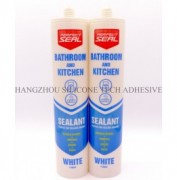
Filling Performance of High - Solid - Content Bathroom Sealants When it comes to bathroom renovations and maintenance, the choice of sealant is crucial. High - solid - content bathroom sealants have gained significant attention due to their excellent filling performance, which plays a vital role in ensuring a watertight and durable bathroom...
Views: 191 Apr 26 , 2026
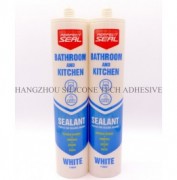
Low-Odor Eco-Friendly Bathroom Sealants for Indoor Use When it comes to renovating or maintaining a bathroom, choosing the right sealant is crucial. In recent years, low-odor eco-friendly bathroom sealants have gained significant popularity for indoor use. These sealants not only offer excellent performance in preventing water leakage and maintaining hygiene but also...
Views: 289 Apr 26 , 2026
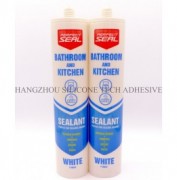
Safety Standards for Food-Contact Grade Bathroom Sealants In modern households, bathroom sealants play a crucial role in preventing water leakage and maintaining hygiene. When it comes to food-contact grade bathroom sealants, ensuring their safety is of paramount importance as they may come into contact with food or food-related items in certain scenarios, such as in...
Views: 210 Apr 23 , 2026
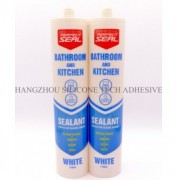
Factors Influencing the Bonding Strength of Solvent-Based Bathroom Sealants Solvent-based bathroom sealants are widely used in wet environments such as bathrooms and kitchens due to their excellent adhesion and waterproofing properties. However, the bonding strength of these sealants is not constant and can be influenced by various factors. Understanding these factors...
Views: 253 Apr 23 , 2026
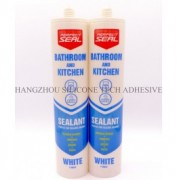
Understanding the Clean and Eco-Friendly Features of Water-Based Kitchen and Bathroom Sealants Water-based kitchen and bathroom sealants are gaining popularity for their exceptional cleanliness and environmental benefits. Unlike traditional solvent-based sealants, these products prioritize health and sustainability without compromising performance. Below, we explore...
Copyright 2019 by Hangzhou Silicone Tech Adhesive Co., Ltd. All rights reserved.
Bathroom Sealant | Acrylic Sealant | Dow Corning 795 | Aquarium Sealant | Dow Corning 732 | Clear Silicone Sealant | Polysulfide Sealant | Glazing Sealant | Mirror Sealant | IG Sealant
Powered by Onepound


