E-mail:
sales@silicone-sealant-china.com

Bathrooms are high-traffic areas where grime, soap scum, and water spots can quickly accumulate, turning cleaning into a daily chore. Choosing a stain-resistant bathroom sealant simplifies maintenance by creating a smooth, non-porous surface that repels dirt and moisture. These advanced formulations are designed to withstand the rigors of bathroom use while maintaining their appearance with minimal effort. Here’s how to select and apply a sealant that keeps your bathroom looking pristine.
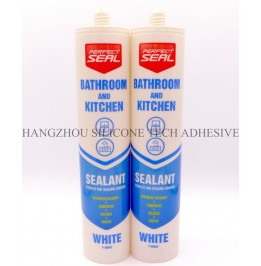
Stain-resistant sealants offer several advantages over traditional options, particularly in busy bathrooms. Their non-porous nature prevents liquids and oils from penetrating the surface, reducing the risk of permanent staining from products like hair dye, makeup, or bath oils. This barrier also inhibits mold and mildew growth, as moisture cannot seep into crevices and encourage fungal development. As a result, your bathroom stays cleaner and more hygienic between cleanings.
Another key benefit is the ease of maintenance. Stain-resistant surfaces require only a quick wipe with a damp cloth or mild cleaner to remove most marks, saving time and effort compared to scrubbing stubborn stains. This durability makes them ideal for areas like shower enclosures, bathtub surrounds, and sink counters, where frequent use leads to rapid buildup of grime.
Additionally, these sealants often feature enhanced UV resistance, preventing yellowing or discoloration over time. This ensures your bathroom maintains a fresh, bright appearance even after years of exposure to artificial lighting or sunlight through windows. By investing in a stain-resistant solution, you protect both the aesthetics and functionality of your space.
Not all bathroom surfaces face the same level of exposure to stains and moisture. To maximize the effectiveness of your sealant, focus on areas where spills and splatters are most likely to occur. Showers and bathtubs are prime candidates, as water, soap, and shampoo residues can leave unsightly marks if not sealed properly. Pay special attention to corners and seams where water tends to pool, as these spots are vulnerable to mold and mildew if left unprotected.
Sink counters and backsplashes also benefit from stain-resistant sealants, especially in households with children or frequent guests. Toothpaste, makeup, and food particles can easily stain porous surfaces, but a sealed countertop resists these marks and wipes clean effortlessly. Similarly, around faucets and drains, where water drips and splashes occur daily, a durable sealant prevents water damage and staining.
Floor joints and transitions between different materials, such as tile and stone, are another critical area. These spots experience heavy foot traffic and are prone to dirt accumulation. A stain-resistant sealant bridges gaps while creating a smooth surface that’s easy to mop or sweep, reducing the risk of trapped debris and discoloration.
Proper surface preparation is essential for ensuring your stain-resistant sealant adheres correctly and performs as expected. Start by thoroughly cleaning the area to remove any existing dirt, soap scum, or old sealant. Use a non-abrasive cleaner and a stiff brush to scrub surfaces, then rinse with water and allow them to dry completely. Any moisture trapped beneath the sealant can weaken adhesion and lead to premature failure.
Next, inspect the surface for cracks, holes, or uneven spots. Repair minor imperfections with a suitable filler and sand smooth once dry. For porous materials like natural stone or unsealed grout, apply a primer designed to enhance sealant adhesion. This step is crucial, as it creates a strong bond between the substrate and the sealant, preventing peeling or cracking over time.
Finally, mask adjacent areas with painter’s tape to create clean edges and protect surfaces from accidental smears. Choose a high-quality tape that removes easily without leaving residue, and position it just outside the intended sealant line. This extra effort ensures a professional finish and simplifies cleanup once the sealant cures.
Select a stain-resistant sealant formulated specifically for bathroom use, ensuring it offers waterproofing, mold resistance, and flexibility. Cut the nozzle of the sealant tube at a 45-degree angle, adjusting the opening size to match the width of the gap you’re filling. A smaller opening provides greater control for precise applications, while a larger one may be needed for wider gaps.
Hold the caulking gun at a consistent 45-degree angle to the surface and apply steady pressure on the trigger. Move the gun slowly along the joint, filling the gap completely without leaving voids or air pockets. For deeper gaps, apply the sealant in layers, allowing each layer to partially cure before adding the next. This approach prevents slumping and ensures uniform coverage throughout the depth of the gap.
Once the sealant is applied, use a caulk smoothing tool or a damp finger dipped in soapy water to shape the bead. Press lightly to ensure full contact with both sides of the gap while removing excess material. Aim for a slightly rounded or convex shape that sheds water rather than trapping it. This technique enhances durability and prevents discoloration or degradation over time, keeping your bathroom looking clean with minimal effort.
After applying the stain-resistant sealant, allow it to cure according to the manufacturer’s instructions before exposing it to water or moisture. Curing times vary based on temperature and humidity, but thick layers may require additional time to set fully. Avoid disturbing the seal during this period, as premature movement can weaken adhesion or create uneven surfaces.
Once cured, inspect the seal for any imperfections or areas where the sealant may have pulled away from the surface. Touch up these spots immediately with a small amount of fresh material, blending it seamlessly into the existing seal. Regular maintenance, such as cleaning the sealed area with mild soap and water, helps prolong its lifespan and prevents mold or mildew buildup.
For stubborn stains or mineral deposits, use a non-abrasive cleaner and a soft cloth to avoid scratching the surface. Avoid harsh chemicals or abrasive tools, as these can damage the sealant’s protective layer and reduce its stain-resistant properties. By following these simple maintenance steps, you ensure your bathroom remains easy to clean and looks its best for years to come.
Copyright 2019 by Hangzhou Silicone Tech Adhesive Co., Ltd. All rights reserved.
Bathroom Sealant | Acrylic Sealant | Dow Corning 795 | Aquarium Sealant | Dow Corning 732 | Clear Silicone Sealant | Polysulfide Sealant | Glazing Sealant | Mirror Sealant | IG Sealant
Powered by Onepound


