E-mail:
sales@silicone-sealant-china.com

Views: 236 Apr 16 , 2026
How to Ensure Your Bathroom Sealant Stays Clear and Fog - Free When it comes to maintaining a pristine bathroom, the choice and application of sealant play a crucial role. One common issue many homeowners face is sealant turning white or developing a foggy appearance over time. This not only ruins the aesthetic appeal but can also indicate potential problems with the...
Views: 210 Apr 16 , 2026
Self-Leveling Edge-Finishing Techniques for Bathroom Sealants When it comes to bathroom renovations, achieving a seamless and professional finish around edges and joints is crucial. Self-leveling bathroom sealants offer an effective solution for creating smooth, even finishes that enhance both the aesthetics and functionality of the space. Here's an in-depth look at...
Views: 198 Apr 14 , 2026
Achieving Non-Sag Vertical Application of Bathroom Anti-Mold Sealants When it comes to bathroom renovations or maintenance, applying anti-mold sealants on vertical surfaces presents unique challenges. One of the most common issues is sealant sagging, which can lead to an uneven finish, reduced effectiveness in preventing mold growth, and an overall unsightly...
Views: 222 Apr 14 , 2026
The Slow-Drying and Shaping Effects of Bathroom Waterproof Sealants When it comes to bathroom renovations or repairs, waterproof sealants play a vital role in preventing water leakage and protecting the structural integrity of the space. Among the various characteristics of these sealants, the slow-drying and shaping effects are of particular importance. Let's explore...
Views: 253 Apr 14 , 2026
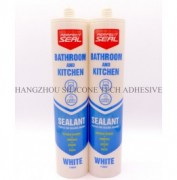
Fast-Drying Bathroom Sealants: Understanding Curing Speeds and Application Tips When renovating or maintaining a bathroom, choosing the right sealant is crucial for preventing water damage and mold growth. One of the most sought-after features in bathroom sealants is fast drying and curing capabilities. This article delves into the factors influencing the drying and...
Views: 241 Apr 13 , 2026
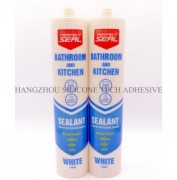
Understanding the Acid and Alkali Corrosion Resistance of Bathroom Sealants In the bathroom environment, where various cleaning agents and substances with different chemical properties are frequently used, the acid and alkali corrosion resistance of bathroom sealants becomes a critical factor. This property determines the longevity and effectiveness of the sealant in...
Views: 224 Apr 13 , 2026
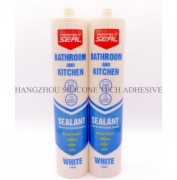
Effective Techniques to Prevent Mold and Blackening of Bathroom Sealants Bathrooms are highly susceptible to mold growth and sealant blackening due to the constant presence of moisture and humidity. These issues not only affect the aesthetic appeal of the bathroom but can also lead to structural damage and health concerns. Here are some proven techniques to keep your...
Views: 208 Apr 13 , 2026
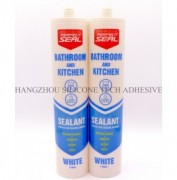
High Adhesion and Bonding Strength of Bathroom Sealants: A Comprehensive Guide When it comes to bathroom renovations or maintenance, the choice of sealant is crucial. One of the most important characteristics to consider is high adhesion and bonding strength. These properties ensure that the sealant can effectively prevent water leakage, withstand daily wear and tear,...
Views: 227 Apr 13 , 2026
Conditions for Mold-Free Performance of Bathroom Waterproof Sealants Bathrooms are high-moisture environments where mold growth is a common concern. Waterproof sealants play a vital role in preventing water leakage and protecting surfaces, but for them to remain mold-free, certain conditions must be met. Here's a detailed look at the key factors that contribute to the...
Views: 248 Apr 13 , 2026
Ensuring Shrinkage Resistance and Shape Retention in Bathroom Sealants Bathrooms are spaces that demand durability and reliability from every component, especially sealants. These materials play a crucial role in preventing water leakage, mold growth, and structural damage. One of the most critical properties of bathroom sealants is their ability to resist shrinkage...
Views: 211 Apr 13 , 2026
Understanding the Long-Term Antibacterial Efficacy of Bathroom Mold-Resistant Sealants Bathrooms are high-moisture environments where mold and bacteria thrive, posing health risks and damaging surfaces. Mold-resistant sealants are designed to combat these issues, but their long-term antibacterial effectiveness varies. Let’s explore the factors influencing how long...
Views: 211 Apr 12 , 2026
Waterproof Sealing Structures for Bathroom Sealants: Ensuring Long-Term Protection Bathrooms are spaces where water is omnipresent, from daily showers to accidental splashes. To prevent water damage, a robust sealing structure using the right sealant is essential. Understanding the components and design principles behind effective waterproofing can help maintain a dry,...
Copyright 2019 by Hangzhou Silicone Tech Adhesive Co., Ltd. All rights reserved.
Bathroom Sealant | Acrylic Sealant | Dow Corning 795 | Aquarium Sealant | Dow Corning 732 | Clear Silicone Sealant | Polysulfide Sealant | Glazing Sealant | Mirror Sealant | IG Sealant
Powered by Onepound


