E-mail:
sales@silicone-sealant-china.com

Views: 373 Apr 12 , 2026
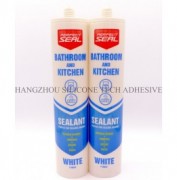
The Water-Immersion Resistance of Bathroom Sealants: Key Features and Benefits Bathrooms are environments where water exposure is constant, from daily showers to accidental splashes. The sealant used in these spaces must withstand prolonged immersion without degrading, cracking, or losing adhesion. Understanding the properties that make sealants resistant to water...
Views: 216 Apr 12 , 2026
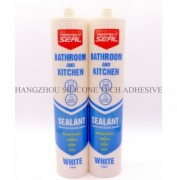
Understanding the High Elasticity and Flexibility of Bathroom Waterproof Sealants Bathrooms are spaces that experience frequent temperature fluctuations, humidity changes, and structural movements due to building settling or vibrations. These conditions demand a waterproofing solution that can adapt without cracking or losing its seal. High-elasticity bathroom sealants...
Views: 325 Apr 11 , 2026
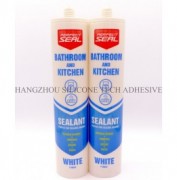
How Bathroom Mold-Resistant Sealants Prevent Mold Growth and Inhibit Bacteria Bathrooms are high-moisture environments where mold and bacteria thrive due to constant exposure to water, steam, and organic matter. Mold-resistant sealants play a crucial role in maintaining hygiene by creating a barrier that prevents microbial growth. Understanding the science behind their...
Views: 252 Apr 11 , 2026
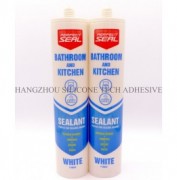
Long-Lasting Bathroom Sealants: Resisting Yellowing and Aging for Pristine Surfaces Bathroom sealants play a vital role in preventing water damage, mold growth, and air leaks in one of the most humid and high-traffic areas of the home. However, over time, many sealants succumb to yellowing and premature aging, detracting from the bathroom's appearance and...
Views: 261 Apr 11 , 2026
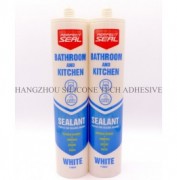
Zero-Formaldehyde Environmental Standards for Bathroom Sealants: Ensuring a Safe and Healthy Home When selecting materials for bathroom renovations or repairs, homeowners increasingly prioritize products that meet strict environmental standards. One critical consideration is formaldehyde content, as this chemical can pose significant health risks when released into...
Views: 200 Apr 09 , 2026
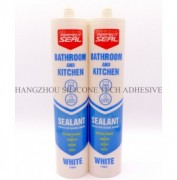
Eco-Friendly and Odorless Materials for Bathroom Sealants: A Sustainable Choice for Modern Homes When renovating or maintaining a bathroom, choosing the right sealant is crucial for both functionality and environmental impact. Traditional sealants often contain harsh chemicals that emit strong odors and contribute to indoor air pollution. However, advancements in...
Views: 234 Apr 09 , 2026
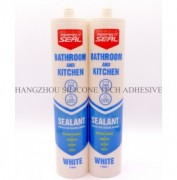
Enhancing Bathroom Durability: The Importance of Flexible and Crack-Resistant Waterproof Sealants Bathrooms are high-moisture zones where water exposure is constant, making them prone to structural damage if not properly sealed. A key element in maintaining bathroom integrity is the use of waterproof sealants that remain flexible and resist cracking over time. These...
Views: 249 Apr 09 , 2026
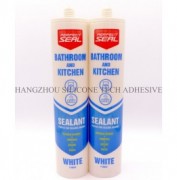
Effective Strategies for Preventing Black Discoloration in Bathroom Mold-Resistant Sealants Bathroom sealants are essential for preventing water damage and maintaining hygiene, but their susceptibility to black discoloration—often caused by mold growth—remains a persistent challenge. This discoloration not only compromises aesthetics but also poses health risks....
Views: 307 Apr 09 , 2026
Temperature Resistance of Bathroom Sealants: High and Low Extremes Bathrooms are unique environments that experience a wide range of temperatures. From the scalding hot water of a shower to the cold air during winter months, the materials used in bathroom construction, especially sealants, must be able to withstand these temperature fluctuations. Understanding the high...
Views: 253 Apr 09 , 2026
Waterproof and Seepage-Proof Performance of Bathroom Sealants Bathrooms are spaces constantly exposed to moisture, from daily showers to splashes around sinks. The effectiveness of bathroom sealants in preventing water ingress and seepage is crucial for maintaining the structural integrity of the bathroom and preventing issues like mold growth, wall damage, and floor...
Views: 250 Apr 09 , 2026
Long-Lasting Mold-Resistant and Antibacterial Formulas for Bathroom Sealants Bathrooms are high-moisture environments where mold and bacteria thrive easily. Selecting an effective sealant with long-lasting mold-resistant and antibacterial properties is crucial for maintaining a clean and healthy bathroom. Here are some scientifically grounded formulas and their working...
Views: 356 Mar 26 , 2026
Understanding the Safe Service Life and Replacement Criteria for Bathroom Sealants Bathroom sealants play a crucial role in preventing water leakage and maintaining a dry, hygienic environment. However, like all building materials, they have a limited service life. Understanding the safe service life and replacement criteria for bathroom sealants is essential for...
Copyright 2019 by Hangzhou Silicone Tech Adhesive Co., Ltd. All rights reserved.
Bathroom Sealant | Acrylic Sealant | Dow Corning 795 | Aquarium Sealant | Dow Corning 732 | Clear Silicone Sealant | Polysulfide Sealant | Glazing Sealant | Mirror Sealant | IG Sealant
Powered by Onepound


