E-mail:
sales@silicone-sealant-china.com

When it comes to bathroom renovations or repairs, waterproof sealants play a vital role in preventing water leakage and protecting the structural integrity of the space. Among the various characteristics of these sealants, the slow-drying and shaping effects are of particular importance. Let's explore what these effects entail and how they impact the overall performance of bathroom waterproof sealants.
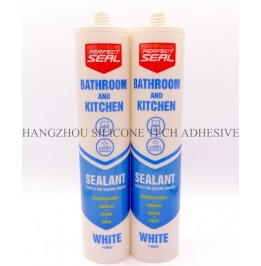
Most bathroom waterproof sealants, especially those based on silicone or polyurethane, rely on chemical reactions to achieve their waterproofing properties. In the case of silicone sealants, they react with the moisture present in the air. This reaction is a gradual process that allows the sealant to transform from a liquid or semi-liquid state to a solid, rubbery consistency. The slow nature of this reaction is beneficial as it gives the sealant enough time to penetrate into small crevices and gaps in the bathroom surfaces, ensuring a more thorough and long-lasting seal.
Polyurethane sealants, on the other hand, undergo a cross-linking reaction. This reaction is also time-dependent and is influenced by factors such as temperature and humidity. A slow cross-linking process enables the sealant to form a strong, flexible bond that can withstand the constant exposure to water and moisture in the bathroom environment.
The slow-drying property of bathroom waterproof sealants has a direct impact on the application process. When applying the sealant, a slow-drying formula allows the user more time to work with the material. This is especially useful when dealing with complex shapes or areas that require precise application, such as around fixtures like sinks, toilets, and showers. The user can manipulate the sealant to ensure it fills all the gaps evenly and creates a smooth, continuous bead without the worry of it drying too quickly and becoming difficult to adjust.
One of the key shaping effects of bathroom waterproof sealants is their flexibility. As the sealant slowly dries and cures, it develops a certain degree of elasticity. This flexibility is crucial in a bathroom setting where the surfaces are subject to movement due to temperature changes, vibrations from water flow, and the settling of the building structure. A flexible sealant can stretch and contract without cracking or breaking, maintaining its waterproof seal even under these dynamic conditions.
For example, around the edges of a bathtub, the sealant needs to be able to move with the expansion and contraction of the tub and the surrounding tiles. A slow-drying sealant that forms a flexible bond can accommodate these movements, preventing water from seeping into the gaps and causing damage to the underlying materials.
In addition to its functional properties, the shaping effect of the sealant also contributes to the overall aesthetic of the bathroom. A well-applied sealant with a smooth, even finish can enhance the appearance of the bathroom fixtures and surfaces. The slow-drying nature of the sealant allows the user to shape it into a neat and tidy bead, hiding any imperfections in the joints between different materials.
This is particularly important in high-end bathroom designs where attention to detail is paramount. A poorly applied, fast-drying sealant may result in an uneven or lumpy finish, detracting from the overall visual appeal of the space. By taking the time to shape the slow-drying sealant properly, a professional and polished look can be achieved.
The rate at which a bathroom waterproof sealant dries and shapes is highly influenced by the surrounding environmental conditions. Temperature and humidity are the two most significant factors. Generally, higher temperatures and lower humidity levels tend to accelerate the drying process. However, if the temperature is too high, it can cause the sealant to dry too quickly on the surface, leading to a weak bond and potential cracking.
On the other hand, lower temperatures and higher humidity levels slow down the drying and shaping process. While this may seem like a disadvantage at first, it can actually be beneficial in some cases. For example, in hot and dry climates, a slower-drying sealant can prevent premature drying and ensure a more thorough cure. In cold and humid environments, it may be necessary to take additional measures, such as using a dehumidifier or providing supplemental heat, to speed up the process while still maintaining the quality of the seal.
The thickness of the applied sealant also plays a role in its slow-drying and shaping characteristics. Thicker layers of sealant take longer to dry and cure because the solvents or moisture within the sealant have to travel a greater distance to evaporate or react. This can be an advantage when a deeper seal is required, but it also requires more patience during the application and curing process.
Conversely, applying the sealant in thin layers can speed up the drying and shaping process. However, it's important to ensure that the layer is thick enough to provide adequate waterproofing protection. Finding the right balance between thickness and drying time is crucial for achieving optimal results.
By understanding the slow-drying and shaping effects of bathroom waterproof sealants and the factors that influence them, homeowners and contractors can make informed decisions when selecting and applying these products, ensuring a durable and waterproof bathroom for years to come.
Copyright 2019 by Hangzhou Silicone Tech Adhesive Co., Ltd. All rights reserved.
Bathroom Sealant | Acrylic Sealant | Dow Corning 795 | Aquarium Sealant | Dow Corning 732 | Clear Silicone Sealant | Polysulfide Sealant | Glazing Sealant | Mirror Sealant | IG Sealant
Powered by Onepound


