E-mail:
sales@silicone-sealant-china.com

When it comes to bathroom renovations or maintenance, applying anti-mold sealants on vertical surfaces presents unique challenges. One of the most common issues is sealant sagging, which can lead to an uneven finish, reduced effectiveness in preventing mold growth, and an overall unsightly appearance. Here's a comprehensive guide on how to achieve a non-sag vertical application of bathroom anti-mold sealants.
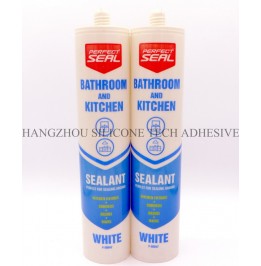
The viscosity of the anti-mold sealant is a key factor in determining its sagging behavior. Sealants with low viscosity are more fluid and are more likely to run or sag when applied vertically. This is because the gravitational force acts on the liquid, causing it to flow downwards. On the other hand, sealants with high viscosity are thicker and more resistant to flow, making them better suited for vertical applications. However, it's important to strike a balance, as overly thick sealants can be difficult to apply smoothly and may not fill gaps effectively.
Temperature also plays a significant role in sealant sagging. High temperatures can reduce the viscosity of the sealant, making it more fluid and prone to sagging. In hot weather conditions, the sealant may start to run before it has a chance to set. Conversely, low temperatures can make the sealant too stiff, making it difficult to apply and potentially leading to an uneven finish. It's essential to apply the sealant within the recommended temperature range specified by the manufacturer to ensure optimal performance.
The condition of the vertical surface can also contribute to sealant sagging. If the surface is dirty, greasy, or uneven, the sealant may not adhere properly, increasing the likelihood of sagging. A clean and smooth surface provides a better bond for the sealant, helping it to stay in place during the application and curing process. Additionally, if the surface is too porous, the sealant may be absorbed too quickly, leading to an uneven application and potential sagging.
Using the right tools is crucial for achieving a non-sag vertical application. A high-quality caulking gun is essential for controlling the flow of the sealant. Look for a caulking gun with a smooth trigger action and adjustable flow control, which allows you to apply the sealant at a consistent rate. This helps prevent over-application, which can lead to sagging.
In addition to the caulking gun, a sealant smoothing tool is also useful. After applying the sealant, use the smoothing tool to create a neat and even finish. The tool should be made of a material that won't damage the sealant, such as plastic or silicone. Gently run the tool along the sealant bead, applying light pressure to shape it and remove any excess material.
Instead of applying a thick layer of sealant all at once, consider using a layered approach. Apply a thin layer of sealant first and allow it to partially cure. This creates a base layer that provides some adhesion and support for subsequent layers. Once the first layer has set slightly, apply a second thin layer on top. Repeat this process as needed until the desired thickness is achieved.
The layered application method helps prevent sagging because each thin layer has less mass and is less likely to be affected by gravity. It also allows for better control over the application, ensuring a more uniform and professional-looking finish.
The angle and speed at which you apply the sealant can also impact its sagging behavior. When applying the sealant vertically, hold the caulking gun at a 45-degree angle to the surface. This helps ensure that the sealant is applied evenly and reduces the risk of it running down the surface.
Apply the sealant at a steady and moderate speed. Moving too quickly can result in an uneven application, while moving too slowly can cause the sealant to build up and potentially sag. Practice on a scrap piece of material before applying the sealant to the actual vertical surface to get a feel for the right speed and angle.
After applying the anti-mold sealant, it's important to allow it sufficient time to cure. The curing time can vary depending on the type of sealant, temperature, and humidity levels. Follow the manufacturer's instructions regarding curing time, and avoid disturbing the sealant during this period. Premature movement or exposure to water can disrupt the curing process and lead to sagging or reduced effectiveness.
Proper ventilation is essential during the curing process. Good air circulation helps the sealant dry and cure more evenly, reducing the risk of sagging. Open windows and doors in the bathroom to allow fresh air to enter, or use fans to increase air movement. However, avoid directing fans directly at the freshly applied sealant, as this can cause uneven drying and potential damage to the bead.
By understanding the causes of sealant sagging, using the right techniques for application, and considering post-application factors, you can achieve a non-sag vertical application of bathroom anti-mold sealants. This will not only enhance the appearance of your bathroom but also ensure long-lasting protection against mold growth.
Copyright 2019 by Hangzhou Silicone Tech Adhesive Co., Ltd. All rights reserved.
Bathroom Sealant | Acrylic Sealant | Dow Corning 795 | Aquarium Sealant | Dow Corning 732 | Clear Silicone Sealant | Polysulfide Sealant | Glazing Sealant | Mirror Sealant | IG Sealant
Powered by Onepound


