E-mail:
sales@silicone-sealant-china.com

When it comes to bathroom renovations, achieving a seamless and professional finish around edges and joints is crucial. Self-leveling bathroom sealants offer an effective solution for creating smooth, even finishes that enhance both the aesthetics and functionality of the space. Here's an in-depth look at the self-leveling edge-finishing techniques for bathroom sealants.
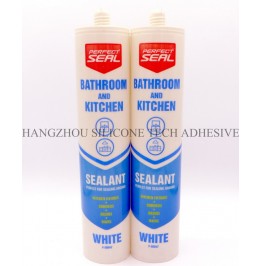
Bathrooms are constantly exposed to water and moisture, making proper edge finishing essential for preventing water ingress. Gaps and uneven joints around fixtures like sinks, showers, and bathtubs can allow water to seep into the underlying structures, leading to damage such as rot, mold growth, and structural instability. Self-leveling sealants form a continuous, waterproof barrier that effectively seals these gaps, protecting the bathroom from water-related issues.
A well-finished edge adds a touch of elegance and sophistication to any bathroom. Self-leveling sealants create smooth, uniform lines that blend seamlessly with the surrounding surfaces, giving the bathroom a polished and professional look. This is especially important in modern bathroom designs where clean lines and minimalist aesthetics are highly valued.
Proper edge finishing with self-leveling sealants can also improve the durability of bathroom fixtures and surfaces. By sealing gaps and joints, the sealant helps to prevent the accumulation of dirt, grime, and moisture, which can cause wear and tear over time. This extends the lifespan of the bathroom components and reduces the need for frequent repairs and maintenance.
Before applying a self-leveling sealant, it's crucial to thoroughly clean the surfaces around the edges and joints. Remove any dirt, dust, grease, or old sealant residues using a suitable cleaning solution. A clean surface ensures proper adhesion of the sealant, preventing it from peeling or cracking over time. Use a scraper or a putty knife to gently remove any stubborn residues, and then wipe the area clean with a damp cloth.
Uneven surfaces can affect the performance and appearance of the self-leveling sealant. Use sandpaper or a sanding block to smooth out any rough spots or bumps around the edges and joints. This creates a level surface for the sealant to adhere to, resulting in a more uniform and professional finish. After sanding, wipe the area again to remove any dust particles.
To achieve clean and precise edges, it's advisable to use masking tape to protect the surrounding surfaces. Apply the masking tape along the edges where you want the sealant to stop, ensuring a straight and even line. This prevents the sealant from spreading onto unwanted areas and makes the cleanup process much easier. Additionally, cover any nearby fixtures or floors with plastic sheets or drop cloths to protect them from accidental spills or splatters.
There are various types of self-leveling sealants available in the market, each with its own unique properties and applications. For bathroom edge finishing, it's important to choose a sealant that is specifically designed for wet environments and has excellent waterproofing and adhesion properties. Look for sealants that are mold-resistant, as bathrooms are prone to mold growth due to high humidity levels.
Once you've selected the appropriate sealant, load it into a caulking gun. Cut the tip of the sealant tube at a 45-degree angle, ensuring that the opening is the right size for the desired bead width. A smaller opening will produce a thin bead, while a larger opening will result in a thicker bead. Insert the tube into the caulking gun and squeeze the trigger a few times to prime the sealant and ensure a smooth flow.
Hold the caulking gun at a 45-degree angle to the surface and apply steady pressure on the trigger to start dispensing the sealant. Move the gun along the edge or joint in a continuous, smooth motion, keeping the bead of sealant consistent in width. As you apply the sealant, it will start to self-level, filling in any gaps and creating a smooth surface. Use a sealant smoothing tool or your finger (dipped in soapy water to prevent sticking) to gently guide the sealant and create a neat finish.
After applying the self-leveling sealant, allow it sufficient time to cure. The curing time can vary depending on the type of sealant, temperature, and humidity levels. Follow the manufacturer's instructions regarding curing time, and avoid disturbing the sealant during this period. Premature exposure to water or movement can disrupt the curing process and affect the performance of the sealant.
Periodically inspect the sealed edges and joints in your bathroom for any signs of damage or wear. Look for cracks, peeling, or discoloration, which may indicate that the sealant needs to be repaired or replaced. Early detection of problems can prevent more extensive damage and costly repairs in the future.
To maintain the appearance and functionality of the self-leveling sealant, clean it regularly using a mild cleaning solution and a soft cloth. Avoid using harsh chemicals or abrasive cleaners, as they can damage the sealant. Additionally, keep the bathroom well-ventilated to reduce humidity levels and prevent mold growth, which can also affect the lifespan of the sealant.
By following these self-leveling edge-finishing techniques for bathroom sealants, you can achieve a professional and long-lasting finish that enhances the beauty and functionality of your bathroom.
Copyright 2019 by Hangzhou Silicone Tech Adhesive Co., Ltd. All rights reserved.
Bathroom Sealant | Acrylic Sealant | Dow Corning 795 | Aquarium Sealant | Dow Corning 732 | Clear Silicone Sealant | Polysulfide Sealant | Glazing Sealant | Mirror Sealant | IG Sealant
Powered by Onepound


