E-mail:
sales@silicone-sealant-china.com

When it comes to maintaining a pristine bathroom, the choice and application of sealant play a crucial role. One common issue many homeowners face is sealant turning white or developing a foggy appearance over time. This not only ruins the aesthetic appeal but can also indicate potential problems with the sealant's performance. Here are some effective strategies to keep your bathroom sealant looking clear and free from fogging.
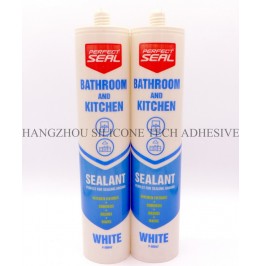
Bathrooms are inherently high - humidity environments. Constant exposure to moisture can cause the sealant to absorb water, leading to discoloration and a foggy look. When water seeps into the sealant, it can disrupt its chemical composition, causing it to change color or become opaque. This is especially common in areas around showers, bathtubs, and sinks where water splashes frequently.
The chemicals present in cleaning products used in bathrooms can react with the sealant. Harsh cleaners containing bleach, ammonia, or strong acids can break down the sealant's structure, causing it to turn white or foggy. Even some mild cleaning agents, if used excessively or left on the sealant for too long, can have a similar effect.
Using a low - quality sealant is another major cause of discoloration and fogging. Inferior sealants may not have the necessary resistance to moisture, chemicals, and UV rays. They are more likely to degrade over time, resulting in an unsightly appearance. Additionally, poor - quality sealants may not adhere properly to the surfaces, leaving gaps where water and dirt can accumulate, further contributing to the problem.
Look for a sealant that is specifically formulated to be highly water - resistant. These sealants are designed to withstand constant exposure to moisture without absorbing water or breaking down. They create a tight seal around joints and edges, preventing water from seeping in and causing damage. Check the product label for information on its water - resistance rating and ensure it is suitable for bathroom use.
Since bathrooms are cleaned regularly with various chemicals, it's essential to choose a sealant that is resistant to common cleaning agents. Opt for a sealant that can withstand exposure to mild acids, alkalis, and solvents without discoloring or fogging. This will ensure that your sealant remains clear and intact even after frequent cleaning.
If your bathroom has windows or is exposed to natural light, UV resistance is also an important factor to consider. UV rays from the sun can cause the sealant to yellow or become brittle over time, leading to discoloration and a loss of elasticity. A UV - resistant sealant will maintain its color and flexibility, ensuring a long - lasting and clear finish.
Before applying the sealant, it's crucial to prepare the surfaces properly. Clean the area thoroughly to remove any dirt, dust, grease, or old sealant residues. Use a suitable cleaning solution and a scrub brush to ensure a clean and smooth surface. Allow the surfaces to dry completely before applying the new sealant. Any moisture left on the surfaces can prevent the sealant from adhering properly and may lead to discoloration later on.
Choose the right time and conditions for applying the sealant. Avoid applying it in extremely humid or cold weather, as these conditions can affect the curing process. Ideally, apply the sealant when the temperature is between 50 - 85°F (10 - 30°C) and the humidity is relatively low. This will ensure that the sealant cures properly and forms a strong, durable bond.
Use a high - quality caulking gun to apply the sealant evenly and smoothly. Cut the tip of the sealant tube at a 45 - degree angle to control the flow of the sealant. Apply steady pressure on the trigger of the caulking gun as you move along the joint or edge. After applying the sealant, use a sealant smoothing tool or your finger (dipped in soapy water to prevent sticking) to smooth out the bead and create a neat finish. This will help to remove any air bubbles and ensure a uniform appearance.
Clean your bathroom sealant regularly to prevent the buildup of dirt, grime, and mildew. Use a mild cleaning solution and a soft cloth or sponge to gently wipe down the sealant. Avoid using abrasive cleaners or scrub brushes, as they can scratch the surface of the sealant and make it more prone to discoloration. Rinse the sealant thoroughly with clean water after cleaning to remove any residue.
Proper ventilation is essential for maintaining a healthy bathroom environment and preventing sealant problems. Ensure that your bathroom has adequate ventilation, either through a window or an exhaust fan. Good ventilation helps to reduce humidity levels, preventing the sealant from absorbing excess moisture and developing a foggy appearance. Run the exhaust fan during and after showers to remove moisture from the air quickly.
Periodically inspect your bathroom sealant for any signs of damage, such as cracks, peeling, or discoloration. If you notice any problems, repair them immediately to prevent further damage. Small cracks can be filled with a compatible sealant, while larger areas of damage may require complete removal and reapplication of the sealant. Regular inspection and repair will help to extend the lifespan of your sealant and keep it looking clear and fog - free.
By understanding the causes of sealant discoloration and fogging, selecting the right sealant, applying it correctly, and maintaining it properly, you can ensure that your bathroom sealant stays clear and free from fogging for years to come.
Copyright 2019 by Hangzhou Silicone Tech Adhesive Co., Ltd. All rights reserved.
Bathroom Sealant | Acrylic Sealant | Dow Corning 795 | Aquarium Sealant | Dow Corning 732 | Clear Silicone Sealant | Polysulfide Sealant | Glazing Sealant | Mirror Sealant | IG Sealant
Powered by Onepound


