E-mail:
sales@silicone-sealant-china.com

In the realm of bathroom maintenance and renovation, waterproof sealants are an indispensable element. They play a vital part in protecting the structural integrity of the bathroom and ensuring a comfortable, dry environment. One of the key functions of these sealants is to prevent moisture and isolate humidity, which is crucial for the long - term health of the bathroom space.
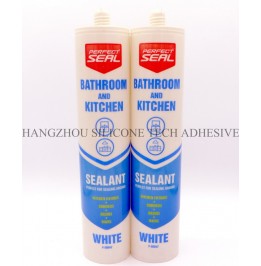
Bathrooms are areas that are constantly exposed to water. From daily showers and baths to hand - washing at the sink, water is splashed around on a regular basis. This continuous water presence can easily seep into unprotected areas, such as the joints between tiles, around fixtures like faucets and showerheads, and at the base of the bathtub or shower enclosure. If left unchecked, this water infiltration can lead to a host of problems.
When water gets into the underlying structures of the bathroom, it can cause significant damage. Wooden components, such as cabinetry or flooring, can rot over time when exposed to moisture. This not only affects the aesthetic appeal of the bathroom but also compromises its structural stability. Additionally, water can damage drywall, leading to peeling paint, mold growth, and a weakened wall structure.
High humidity levels in bathrooms, combined with the presence of water, create an ideal environment for mold and mildew to thrive. These fungi not only have an unpleasant odor but can also pose health risks, especially for people with respiratory issues or allergies. Mold and mildew can grow on various surfaces, including tiles, grout, and even the sealant itself if it is not effective in preventing moisture.
Waterproof sealants form a continuous, impermeable barrier on the surfaces where they are applied. When applied correctly around joints and edges, such as the gaps between tiles or around the base of a toilet, they prevent water from seeping through these vulnerable areas. This barrier acts as a first line of defense, keeping the water on the surface and directing it towards the drainage system.
Over time, small gaps and cracks can develop in bathroom surfaces due to settling, temperature changes, or normal wear and tear. Waterproof sealants are designed to fill these gaps and cracks effectively. By doing so, they eliminate the pathways through which water can enter the underlying structures. This not only prevents immediate water damage but also helps to maintain the overall integrity of the bathroom over the long term.
Unlike some building materials that can absorb water, high - quality waterproof sealants are formulated to be non - porous. They do not allow water to penetrate their surface, which means that even if water comes into contact with the sealant, it will simply bead up and run off. This property is essential for ensuring that the sealant remains effective in preventing moisture over an extended period.
In a bathroom, warm, moist air comes into contact with cooler surfaces, such as mirrors, tiles, and metal fixtures. This can lead to condensation, where water droplets form on the surface. Waterproof sealants can help reduce surface condensation by creating a smooth, non - porous surface that is less likely to attract moisture. Additionally, by preventing water from seeping into the walls and floors, they help to maintain a more consistent temperature, reducing the temperature differential that causes condensation.
When waterproof sealants are used effectively throughout the bathroom, they contribute to controlling the overall indoor humidity levels. By preventing water from escaping into the surrounding structures, they limit the amount of moisture that can evaporate into the air. This helps to keep the humidity in the bathroom within a reasonable range, reducing the risk of mold and mildew growth and creating a more comfortable environment for users.
Proper ventilation is crucial for removing excess moisture from the bathroom. Waterproof sealants can enhance the efficiency of ventilation systems by ensuring that water does not accumulate in hidden areas. When there are no leaks or water infiltration points, the ventilation system can more effectively remove the moist air from the bathroom, preventing the buildup of humidity and improving air quality.
Before applying a waterproof sealant, it is essential to prepare the surfaces properly. This involves cleaning the area thoroughly to remove any dirt, dust, grease, or old sealant residues. A clean surface ensures that the new sealant adheres properly, creating a strong and effective barrier against moisture. Use a suitable cleaning solution and a scrub brush to get into all the nooks and crannies, and then allow the surfaces to dry completely before proceeding with the application.
Using the right application technique is crucial for the performance of the waterproof sealant. Apply the sealant evenly and smoothly along the joints and edges, using a caulking gun for better control. Make sure to fill all the gaps and cracks completely, and then use a sealant smoothing tool or your finger (dipped in soapy water to prevent sticking) to create a neat, concave bead. This helps to ensure that water runs off the sealant rather than pooling on it.
Even the best - applied waterproof sealants require regular maintenance and inspection. Over time, the sealant may wear down or develop small cracks due to age, movement, or exposure to chemicals. Periodically check the sealant in your bathroom for any signs of damage, such as discoloration, peeling, or cracking. If you notice any problems, repair or replace the sealant immediately to maintain its moisture - preventing and humidity - isolating properties.
In conclusion, bathroom waterproof sealants are a fundamental component in preventing moisture and isolating humidity in the bathroom. By understanding their importance, how they work, and applying them correctly, you can protect your bathroom from water damage, mold growth, and other related issues, ensuring a clean, dry, and healthy environment for years to come.
Copyright 2019 by Hangzhou Silicone Tech Adhesive Co., Ltd. All rights reserved.
Bathroom Sealant | Acrylic Sealant | Dow Corning 795 | Aquarium Sealant | Dow Corning 732 | Clear Silicone Sealant | Polysulfide Sealant | Glazing Sealant | Mirror Sealant | IG Sealant
Powered by Onepound


