E-mail:
sales@silicone-sealant-china.com

When renovating or maintaining a bathroom, choosing the right sealant is crucial for preventing water damage and mold growth. One of the most sought-after features in bathroom sealants is fast drying and curing capabilities. This article delves into the factors influencing the drying and curing speeds of bathroom sealants, along with practical tips for achieving optimal results.
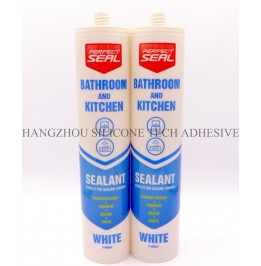
The surrounding environment plays a significant role in how quickly a bathroom sealant dries and cures. Temperature and humidity are the two primary factors to consider. Most sealants perform best within a specific temperature range, typically between 50°F to 80°F (10°C to 27°C). If the temperature is too low, the curing process slows down significantly, potentially leading to an incomplete cure that compromises the seal's effectiveness. Conversely, extremely high temperatures can cause the sealant to dry too quickly on the surface, trapping moisture underneath and leading to bubbles or cracks.
Humidity also has a direct impact on curing speed. High humidity levels slow down the evaporation of solvents or water from the sealant, prolonging the drying and curing process. In contrast, low humidity environments can accelerate drying, but care must be taken to ensure the sealant doesn't dry out too quickly on the surface.
The chemical composition of the sealant is another determining factor. Different types of sealants, such as silicone-based, acrylic-based, and polyurethane-based, have varying curing mechanisms and speeds. Silicone sealants, for example, are known for their excellent flexibility and water resistance. They cure through a chemical reaction with moisture in the air, and the presence of catalysts or accelerators in their formulation can speed up this process. Acrylic sealants, on the other hand, dry through solvent evaporation and generally have a faster initial drying time but may take longer to fully cure compared to silicone-based options. Polyurethane sealants offer a balance of strength and flexibility and cure through a combination of moisture reaction and chemical cross-linking, with curing times varying depending on the specific formulation.
The thickness of the applied sealant bead also affects drying and curing speed. Thicker beads take longer to dry and cure because the solvents or water have to travel a greater distance to evaporate. To ensure faster drying and curing, it's recommended to apply the sealant in thin, even layers. This not only speeds up the process but also helps create a more uniform and aesthetically pleasing finish.
Before applying the sealant, ensure the bathroom environment is within the recommended temperature and humidity range. If possible, use a dehumidifier to reduce humidity levels or a heater to raise the temperature slightly, especially in colder climates or during winter months. Additionally, make sure the surfaces to be sealed are clean, dry, and free of any dust, grease, or old sealant residues. A clean surface promotes better adhesion and allows the sealant to cure properly.
When applying the sealant, use a caulking gun to control the flow and create a consistent bead. Apply the sealant in a continuous motion, maintaining a steady pressure on the trigger. After applying the sealant, use a caulk smoothing tool or your finger dipped in soapy water to smooth the bead. This not only improves the appearance but also helps remove any excess sealant that could slow down drying and curing. Be sure to wear gloves to protect your hands from the sealant.
Good ventilation is essential for accelerating the drying and curing process. Open windows and doors to allow fresh air to circulate in the bathroom. If natural ventilation is limited, use fans to increase air movement. This helps remove moisture and solvents from the air, promoting faster evaporation and curing. However, avoid directing fans directly at the freshly applied sealant, as this can cause uneven drying and potential damage to the bead.
If the sealant is taking longer than expected to dry or cure, first check the environmental conditions. Adjust the temperature or humidity levels if necessary. Also, verify that you've applied the sealant in thin layers. If the bead is too thick, use a putty knife to carefully scrape off some of the excess sealant, being careful not to damage the underlying surface.
Surface cracking or bubbling can occur when the sealant dries too quickly on the surface while the interior is still wet. This is often caused by high temperatures, low humidity, or direct sunlight. To prevent this, avoid applying sealant in direct sunlight or during the hottest part of the day. If possible, shield the area from direct heat sources. Additionally, ensure proper ventilation to allow for even drying throughout the sealant bead.
Incomplete curing can result in a soft or sticky sealant that is prone to damage and mold growth. This can be due to insufficient moisture in the air for silicone-based sealants to cure properly or low temperatures that slow down the chemical reactions. To address this, increase the humidity levels in the bathroom if using a silicone sealant, or raise the temperature slightly if it's too cold. If the problem persists, you may need to remove the partially cured sealant and reapply it under more favorable conditions.
Copyright 2019 by Hangzhou Silicone Tech Adhesive Co., Ltd. All rights reserved.
Bathroom Sealant | Acrylic Sealant | Dow Corning 795 | Aquarium Sealant | Dow Corning 732 | Clear Silicone Sealant | Polysulfide Sealant | Glazing Sealant | Mirror Sealant | IG Sealant
Powered by Onepound


