E-mail:
sales@silicone-sealant-china.com

In the bathroom environment, where various cleaning agents and substances with different chemical properties are frequently used, the acid and alkali corrosion resistance of bathroom sealants becomes a critical factor. This property determines the longevity and effectiveness of the sealant in maintaining a watertight and durable seal. Let's explore the significance, influencing factors, and testing methods related to this crucial characteristic.
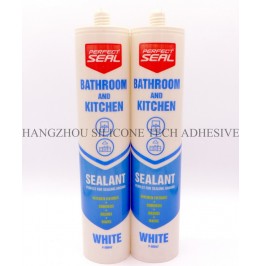
Bathrooms are exposed to a wide range of chemicals on a daily basis. From acidic toilet bowl cleaners to alkaline bath soaps and shampoos, these substances can come into contact with the sealant around sinks, showers, and bathtubs. If the sealant lacks sufficient acid and alkali corrosion resistance, it can deteriorate over time, leading to several problems.
When sealant deteriorates due to chemical exposure, it loses its ability to form a tight seal. This can allow water to seep into the underlying structures, such as walls and floors. Over time, this moisture can cause rot in wooden components, damage drywall, and even lead to the growth of mold and mildew, which can further weaken the structural integrity of the bathroom.
A sealant that is not resistant to acid and alkali corrosion may discolor, crack, or peel. This not only looks unsightly but also indicates that the seal is no longer effective. In a bathroom, where cleanliness and appearance are important, a well - maintained sealant contributes to an overall polished and inviting look.
High - quality sealant with good acid and alkali corrosion resistance can withstand the chemical onslaught in the bathroom for an extended period. This means fewer repairs and replacements, saving time and effort in the long run. It ensures that the sealant continues to perform its primary function of preventing water leakage and maintaining a hygienic environment.
The ability of a bathroom sealant to resist acid and alkali corrosion is influenced by several factors related to its chemical composition and structure.
The base polymers used in the sealant play a crucial role. Some polymers, such as silicone - based ones, are known for their excellent chemical resistance. They have a stable molecular structure that can withstand exposure to a wide range of acids and alkalis without significant degradation. On the other hand, acrylic - based sealants may be more susceptible to chemical attack, especially from strong acids or alkalis.
Manufacturers often add various additives and fillers to the sealant to enhance its properties. For example, corrosion inhibitors can be added to improve the sealant's resistance to specific chemicals. These inhibitors work by forming a protective layer on the surface of the sealant or by reacting with the corrosive substances to neutralize their effects. Fillers, such as calcium carbonate or silica, can also influence the chemical resistance by affecting the density and porosity of the sealant.
The degree of cross - linking in the sealant's polymer chains is another important factor. A higher cross - linking density means that the polymer chains are more tightly bound together, creating a more compact and less permeable structure. This makes it more difficult for acids and alkalis to penetrate the sealant and cause damage. Sealants with a well - developed cross - linked structure generally exhibit better acid and alkali corrosion resistance.
To ensure that bathroom sealants meet the required standards for acid and alkali corrosion resistance, various testing methods are employed.
In this method, samples of the sealant are immersed in solutions of different acids and alkalis with known concentrations for a specified period. The solutions are typically maintained at a constant temperature to simulate real - world conditions. After the immersion period, the samples are removed and examined for signs of degradation, such as changes in appearance (discoloration, cracking), weight loss, and changes in physical properties (hardness, flexibility). This test provides a quantitative measure of the sealant's resistance to chemical attack.
Accelerated aging tests are designed to simulate the long - term effects of chemical exposure in a shorter period. These tests often involve exposing the sealant samples to a combination of high temperature, humidity, and chemical substances. By subjecting the sealant to these harsh conditions, researchers can predict how it will perform over an extended period in a real - world bathroom environment. The results of these tests help manufacturers improve the formulation of the sealant to enhance its acid and alkali corrosion resistance.
Field testing involves applying the sealant in actual bathroom settings and monitoring its performance over time. This provides real - world data on how the sealant reacts to the various chemicals present in a typical bathroom. Field tests can reveal issues that may not be apparent in laboratory tests, such as the interaction of the sealant with different surface materials and the effects of repeated chemical exposure over an extended period.
In conclusion, the acid and alkali corrosion resistance of bathroom sealants is of utmost importance for maintaining the structural integrity, aesthetic appeal, and long - term functionality of the bathroom. By understanding the influencing factors and testing methods, consumers and manufacturers can make informed decisions to ensure that the sealant used in bathrooms can withstand the chemical challenges it will face.
Copyright 2019 by Hangzhou Silicone Tech Adhesive Co., Ltd. All rights reserved.
Bathroom Sealant | Acrylic Sealant | Dow Corning 795 | Aquarium Sealant | Dow Corning 732 | Clear Silicone Sealant | Polysulfide Sealant | Glazing Sealant | Mirror Sealant | IG Sealant
Powered by Onepound


