E-mail:
sales@silicone-sealant-china.com

When it comes to bathroom renovations or maintenance, the choice of sealant is crucial. One of the most important characteristics to consider is high adhesion and bonding strength. These properties ensure that the sealant can effectively prevent water leakage, withstand daily wear and tear, and maintain its integrity over time. Let's delve into the key aspects of high - adhesion and high - bonding - strength bathroom sealants.
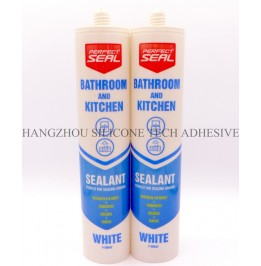
Adhesion refers to the ability of the sealant to stick to the surfaces it is applied to, while bonding strength is the measure of the force required to separate the bonded surfaces. In a bathroom environment, where surfaces are constantly exposed to water, humidity, and temperature changes, strong adhesion and bonding are essential for the sealant to perform effectively.
The adhesion of a sealant is influenced by several factors at the molecular level. Surface energy plays a significant role. Surfaces with high surface energy, such as glass and some metals, provide better adhesion for sealants compared to low - surface - energy materials like certain plastics. Sealants are formulated with specific chemical components that can interact with the surface molecules through van der Waals forces, hydrogen bonding, or chemical reactions. These interactions create a strong bond between the sealant and the surface, preventing it from peeling or detaching easily.
Bonding strength is not only determined by the adhesion to the surfaces but also by the internal cohesion of the sealant itself. The chemical structure of the sealant, including the type and length of polymer chains, cross - linking density, and the presence of fillers, all contribute to its bonding strength. A well - formulated sealant with a high cross - linking density will have stronger internal forces, making it more resistant to separation under stress. Additionally, the application method, such as the thickness of the sealant layer and the pressure applied during application, can also impact the bonding strength.
Bathrooms are high - moisture areas, and water leakage can cause significant damage to the structure and finishes of the room. High - adhesion and high - bonding - strength sealants are vital for preventing such issues.
In areas around showers, bathtubs, and sinks, sealants are used to create a watertight seal between different surfaces, such as tiles and fixtures. Strong adhesion ensures that the sealant remains firmly attached to both surfaces, even when exposed to water pressure during showers or baths. High bonding strength prevents the seal from breaking under the constant movement and vibration caused by water flow, ensuring long - term waterproofing.
Bathrooms are frequently used spaces, and the sealant is subject to various forms of stress, including abrasion from cleaning, impact from objects, and temperature fluctuations. A sealant with high adhesion and bonding strength can resist these stresses without cracking, peeling, or losing its seal. This is especially important in high - traffic areas like the bathroom floor and around the toilet, where the sealant needs to withstand frequent foot traffic and cleaning.
In addition to functionality, the aesthetic appearance of the bathroom is also important. A sealant with strong adhesion and bonding properties will maintain a smooth, even surface over time, without shrinking or becoming discolored. This helps to keep the bathroom looking clean and well - maintained, enhancing its overall visual appeal.
To ensure that the bathroom sealant achieves high adhesion and bonding strength, proper application techniques and surface preparation are essential.
Before applying the sealant, the surfaces must be thoroughly cleaned and dried. Remove any dirt, grease, old sealant, or loose particles using a suitable cleaning agent and a scrub brush. For smooth surfaces, such as glass or ceramic tiles, you may need to roughen them slightly with sandpaper to increase the surface area and improve adhesion. Make sure the surfaces are completely dry, as moisture can interfere with the bonding process and reduce the effectiveness of the sealant.
Use a high - quality caulking gun to apply the sealant in a continuous, even bead. Apply sufficient pressure to ensure that the sealant fills the joint completely, without leaving any air pockets. After application, use a smoothing tool to create a neat, concave surface. This not only improves the appearance but also helps to distribute the sealant evenly and enhance its bonding properties. Allow the sealant to cure according to the manufacturer's instructions, which usually involves keeping the area dry and at a suitable temperature for a specified period.
Even with high - quality sealant and proper application, regular maintenance is necessary to ensure long - term adhesion and bonding. Inspect the sealant periodically for signs of damage, such as cracks, peeling, or discoloration. If any issues are detected, address them promptly by cleaning the area and applying a fresh layer of sealant if needed. Regular cleaning of the sealed surfaces can also help to prevent the buildup of dirt and contaminants that can weaken the bond over time.
In conclusion, high adhesion and bonding strength are essential characteristics of bathroom sealants. By understanding the science behind these properties, recognizing their importance in bathroom applications, and following proper application and maintenance techniques, you can ensure that your bathroom remains waterproof, durable, and aesthetically pleasing for years to come.
Copyright 2019 by Hangzhou Silicone Tech Adhesive Co., Ltd. All rights reserved.
Bathroom Sealant | Acrylic Sealant | Dow Corning 795 | Aquarium Sealant | Dow Corning 732 | Clear Silicone Sealant | Polysulfide Sealant | Glazing Sealant | Mirror Sealant | IG Sealant
Powered by Onepound


