E-mail:
sales@silicone-sealant-china.com

Bathrooms are high-moisture environments where mold growth is a common concern. Waterproof sealants play a vital role in preventing water leakage and protecting surfaces, but for them to remain mold-free, certain conditions must be met. Here's a detailed look at the key factors that contribute to the mold-free performance of bathroom waterproof sealants.
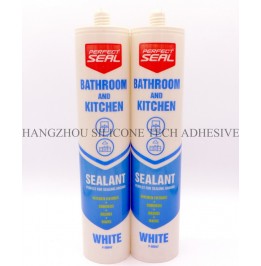
The foundation for a mold-free sealant application lies in thorough surface preparation. Before applying any waterproof sealant, it's essential to ensure that the surfaces are clean, dry, and free from contaminants.
Start by removing any existing mold, mildew, or dirt from the surfaces. Use a mild detergent solution and a scrub brush to clean the area thoroughly. For stubborn mold stains, a mixture of vinegar and water can be effective. After cleaning, rinse the surfaces with clean water to remove any soap or cleaning agent residues. Allow the surfaces to dry completely before proceeding with the sealant application. This step is crucial because moisture trapped under the sealant can create an ideal environment for mold growth.
If there's old, damaged, or moldy sealant on the surfaces, it must be removed completely. Use a sealant remover tool or a sharp knife to carefully scrape away the old material. Be sure to remove all traces of the old sealant, as any remaining residue can prevent the new sealant from adhering properly and may harbor mold spores. After removal, clean the area again to ensure it's ready for the new application.
Moisture is the enemy of mold-free sealants. Even a small amount of moisture on the surfaces can lead to mold growth under the sealant. Use a moisture meter to check the moisture content of the surfaces, especially in areas prone to high humidity, such as around showers and bathtubs. If the moisture level is too high, allow more time for the surfaces to dry naturally or use a dehumidifier to speed up the process. Only apply the sealant when the surfaces are completely dry to the touch and the moisture meter indicates an acceptable level.
The way you apply the waterproof sealant also has a significant impact on its mold-free performance. Proper application techniques ensure a strong bond between the sealant and the surfaces, reducing the chances of water infiltration and mold growth.
Select a time for sealant application when the bathroom is not in use for an extended period. This allows the sealant to cure properly without being disturbed. Avoid applying sealant during humid or rainy weather, as high humidity can slow down the curing process and increase the risk of mold growth. Ideally, choose a day with low humidity and good ventilation to ensure optimal curing conditions.
Use a high-quality caulking gun to apply the sealant in a continuous, even bead. Start at one end of the joint and work your way to the other, maintaining a consistent pressure on the gun. Fill the joint completely, ensuring that there are no air pockets or gaps. After applying the sealant, use a smoothing tool, such as a caulk smoother or your finger dipped in soapy water, to create a neat, concave surface. This helps to distribute the sealant evenly and improves its appearance while also enhancing its water-resistant properties.
Each type of waterproof sealant has a specific curing time, which is usually indicated on the product label. It's essential to follow these instructions carefully and allow the sealant to cure completely before exposing it to water or moisture. During the curing process, keep the bathroom well-ventilated to help the sealant dry faster and reduce the risk of mold growth. Avoid touching or disturbing the sealant until it has fully cured to ensure a strong, durable bond.
Even with proper surface preparation and application, ongoing maintenance is necessary to keep bathroom waterproof sealants mold-free. Regular cleaning and inspection can help identify and address potential issues before they become major problems.
Clean the sealed areas regularly to prevent the buildup of dirt, soap scum, and other contaminants that can provide a food source for mold. Use a mild, non-abrasive cleaner and a soft cloth or sponge to wipe down the surfaces. Avoid using harsh chemicals or abrasive scrubbers, as these can damage the sealant and create tiny scratches where mold can grow. After cleaning, rinse the area with clean water and dry it thoroughly with a towel.
Periodically inspect the sealant for signs of damage, such as cracking, peeling, or discoloration. These may indicate that the sealant is no longer providing an effective barrier against water and may be at risk of mold growth. If you notice any damage, address it promptly. Small cracks can often be repaired by applying a fresh layer of sealant over the damaged area. However, if the damage is extensive or the sealant is old and worn, it may need to be completely removed and replaced.
High humidity is a major contributor to mold growth in bathrooms. Use a ventilation fan during and after showers or baths to remove excess moisture from the air. Keep the bathroom door open when not in use to allow for better air circulation. You can also use a dehumidifier to maintain optimal humidity levels, typically between 30% and 50%. By controlling humidity, you can create an environment that is less conducive to mold growth and help prolong the life of your waterproof sealant.
By following these conditions for proper surface preparation, optimal application, and ongoing maintenance, you can significantly increase the chances of your bathroom waterproof sealant remaining mold-free for an extended period. This not only protects your bathroom from water damage and mold-related health issues but also enhances its overall appearance and longevity.
Copyright 2019 by Hangzhou Silicone Tech Adhesive Co., Ltd. All rights reserved.
Bathroom Sealant | Acrylic Sealant | Dow Corning 795 | Aquarium Sealant | Dow Corning 732 | Clear Silicone Sealant | Polysulfide Sealant | Glazing Sealant | Mirror Sealant | IG Sealant
Powered by Onepound


