E-mail:
sales@silicone-sealant-china.com

Bathrooms are spaces that demand durability and reliability from every component, especially sealants. These materials play a crucial role in preventing water leakage, mold growth, and structural damage. One of the most critical properties of bathroom sealants is their ability to resist shrinkage and maintain their shape over time. Let's delve into why this matters and how to achieve it.
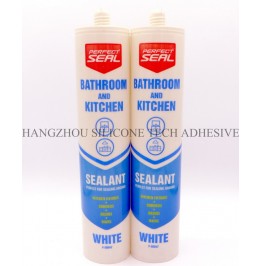
Shrinkage in sealants can lead to a host of problems in bathroom environments. When a sealant shrinks after application, it creates gaps between the sealant and the surfaces it's meant to bond with. These gaps allow water to seep through, causing damage to underlying structures like walls, floors, and cabinetry. Over time, water intrusion can lead to rot, mold, and mildew, which not only compromise the integrity of the bathroom but also pose health risks to occupants.
Moreover, shrinkage can disrupt the aesthetic appeal of the bathroom. Gaps and cracks in the sealant look unsightly and can give the impression of poor maintenance. In high-end bathrooms, where aesthetics are a top priority, this can be a significant drawback. Therefore, choosing a sealant with excellent shrinkage resistance is essential for both functional and visual reasons.
Several factors can cause sealants to shrink. One of the primary culprits is the chemical composition of the sealant itself. Some sealants contain volatile organic compounds (VOCs) that evaporate during the curing process. As these VOCs leave the sealant, it can shrink, leading to gaps. Additionally, the ratio of ingredients in the sealant formulation can affect its shrinkage behavior. If the balance is not optimal, the sealant may not cure properly, resulting in shrinkage.
Environmental conditions also play a role. High temperatures and low humidity levels can accelerate the evaporation of solvents in the sealant, causing it to shrink faster. Conversely, extremely cold temperatures can slow down the curing process, leading to uneven shrinkage as different parts of the sealant cure at different rates. Poor surface preparation can also contribute to shrinkage. If the surfaces to be sealed are not clean, dry, and free of contaminants, the sealant may not adhere properly, increasing the likelihood of shrinkage and separation.
Shape retention is closely related to shrinkage resistance. A sealant that maintains its shape over time will not develop gaps or cracks, ensuring a continuous barrier against water and other elements. There are several strategies to enhance shape retention in bathroom sealants.
Different types of sealants have varying levels of shape retention. Silicone-based sealants are known for their excellent flexibility and shape retention properties. They can withstand temperature fluctuations and movement without cracking or shrinking. Acrylic sealants, on the other hand, may be more prone to shrinkage and may not offer the same level of long-term shape retention as silicone. Polyurethane sealants also provide good shape retention and are resistant to abrasion and chemicals, making them suitable for high-traffic bathroom areas.
When choosing a sealant, consider the specific requirements of your bathroom. If the area is subject to frequent temperature changes or movement, such as around a shower door or bathtub, a more flexible sealant like silicone may be the best choice. For areas with less movement, acrylic or polyurethane sealants may be sufficient.
The way a sealant is applied can significantly impact its shape retention. First, ensure that the surfaces to be sealed are properly prepared. Clean the surfaces thoroughly to remove dirt, grease, and old sealant residues. Use a suitable solvent to degrease the surfaces and allow them to dry completely before applying the new sealant.
When applying the sealant, use a caulking gun to ensure a consistent and even bead. Apply the sealant in a continuous motion, filling the gap completely without leaving any air pockets. After application, use a smoothing tool to create a neat, concave surface. This helps to distribute the sealant evenly and reduces the risk of shrinkage. Allow the sealant to cure according to the manufacturer's instructions, which may involve keeping the area dry and at a specific temperature for a certain period.
Even with the best sealant and application techniques, regular maintenance is essential to ensure long-term shape retention. Inspect the sealant periodically for signs of wear, such as cracking, peeling, or discoloration. These may indicate that the sealant is losing its shape or has been compromised by environmental factors.
If you notice any issues, address them promptly. Small cracks can be repaired by applying a fresh layer of sealant over the damaged area. However, if the sealant is severely damaged or has lost its adhesive properties, it may need to be completely removed and replaced. Regular cleaning of the bathroom can also help to extend the life of the sealant by preventing the buildup of dirt and contaminants that can degrade its performance.
Despite best efforts, there are several challenges that can make it difficult to maintain the shape retention of bathroom sealants. One common challenge is exposure to harsh chemicals. Many bathroom cleaning products contain strong chemicals that can damage the sealant over time. These chemicals can cause the sealant to become brittle, crack, or lose its adhesive properties. To mitigate this, choose mild, non-abrasive cleaning products and avoid using harsh chemicals directly on the sealant.
Another challenge is movement and vibration. Bathrooms are often subject to movement from activities like opening and closing doors, using fixtures, and even the settling of the building itself. This movement can put stress on the sealant, causing it to crack or separate from the surfaces. To address this, use a more flexible sealant in areas prone to movement and ensure that the sealant is applied correctly to provide a strong bond.
Finally, age and wear can also affect sealant shape retention. Over time, all sealants will degrade due to exposure to the elements and normal use. Regular inspection and maintenance can help to identify and address issues before they become major problems, but eventually, the sealant may need to be replaced to ensure continued protection and shape retention.
By understanding the importance of shrinkage resistance and shape retention, selecting the right sealant type, using proper application techniques, and conducting regular maintenance, you can ensure that your bathroom sealants provide long-lasting protection and maintain their aesthetic appeal.
Copyright 2019 by Hangzhou Silicone Tech Adhesive Co., Ltd. All rights reserved.
Bathroom Sealant | Acrylic Sealant | Dow Corning 795 | Aquarium Sealant | Dow Corning 732 | Clear Silicone Sealant | Polysulfide Sealant | Glazing Sealant | Mirror Sealant | IG Sealant
Powered by Onepound


