E-mail:
sales@silicone-sealant-china.com

Bathrooms are high-moisture environments where mold and bacteria thrive, posing health risks and damaging surfaces. Mold-resistant sealants are designed to combat these issues, but their long-term antibacterial effectiveness varies. Let’s explore the factors influencing how long these sealants remain effective and how to maximize their performance.
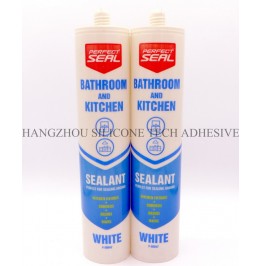
The duration of antibacterial protection in bathroom sealants depends on several interconnected elements. Understanding these factors helps set realistic expectations and ensures proper maintenance.
The primary determinant of antibacterial efficacy is the sealant’s chemical makeup. Many mold-resistant sealants contain biocides or antimicrobial agents that inhibit bacterial growth. These active ingredients can be organic or inorganic, with some designed to slowly release over time for extended protection. The concentration and stability of these compounds play a crucial role—higher-quality sealants often use advanced formulations that maintain their potency for years, while cheaper alternatives may degrade faster. Additionally, the compatibility of these ingredients with other sealant components affects overall durability, as some chemicals may react prematurely or lose effectiveness when exposed to certain environmental conditions.
Bathrooms experience extreme variations in humidity and temperature, which significantly impact sealant performance. High humidity levels, common in showers and around bathtubs, create an ideal breeding ground for mold and bacteria. Constant exposure to moisture can weaken the sealant’s structure, causing it to crack or peel, which compromises its antibacterial barrier. Temperature fluctuations, such as those from hot showers followed by cooler periods, can also stress the sealant, reducing its ability to retain active ingredients. Areas with poor ventilation exacerbate these issues, as trapped moisture accelerates microbial growth and degrades the sealant faster.
Proper surface preparation and application are essential for maximizing antibacterial longevity. Before applying sealant, surfaces must be thoroughly cleaned to remove dirt, grease, and existing mold or bacteria. Any residues left on the surface can prevent the sealant from adhering correctly, creating gaps where microbes can grow. The application process itself also matters—uneven or incomplete sealing leaves vulnerable spots that undermine the overall antibacterial effect. Using the right tools, such as caulking guns and smoothing tools, ensures a consistent, airtight seal that enhances the sealant’s ability to protect against bacteria over time.
Even with high-quality sealants and proper application, ongoing maintenance is necessary to sustain antibacterial protection. Regular upkeep prevents microbial buildup and extends the sealant’s useful life.
Frequent cleaning is one of the simplest yet most effective ways to maintain antibacterial efficacy. Use mild, non-abrasive cleaners to avoid damaging the sealant’s surface. Harsh chemicals or scrubbing tools can erode the sealant, reducing its ability to inhibit bacterial growth. During cleaning, inspect the sealant for signs of wear, such as cracking, discoloration, or peeling. These indicators suggest that the sealant is breaking down and may no longer provide adequate protection. Early detection allows for timely repairs or reapplication, preventing further deterioration and maintaining a hygienic bathroom environment.
Water intrusion is a major threat to antibacterial sealants. Even small leaks or condensation buildup can create pockets of moisture that encourage microbial growth. Regularly check for water stains, dampness, or musty odors around sealed areas, as these may indicate hidden leaks. If water intrusion is detected, identify and fix the source immediately, whether it’s a faulty plumbing fixture, poor ventilation, or damaged sealant. After resolving the underlying issue, clean and dry the affected area thoroughly before reapplying sealant to ensure a proper, waterproof seal that restores antibacterial protection.
Over time, all sealants will eventually lose their effectiveness due to environmental exposure and natural aging. When signs of wear become evident, or if the sealant has reached its expected lifespan, recoating or reapplying is necessary. Remove the old sealant carefully, ensuring no residues remain that could interfere with the new layer. Clean the surface thoroughly and allow it to dry completely before applying fresh sealant. Follow the manufacturer’s instructions for application and curing times to achieve optimal results. By staying proactive about recoating, you can maintain continuous antibacterial protection and prevent costly repairs caused by water damage or unchecked microbial growth.
Many homeowners have misunderstandings about how antibacterial sealants work and how long they last. Clarifying these misconceptions helps set realistic expectations and encourages proper maintenance.
One common myth is that antibacterial sealants make cleaning unnecessary. While these sealants inhibit bacterial growth, they do not eliminate it entirely. Regular cleaning is still required to remove dirt, soap scum, and other contaminants that can provide nutrients for bacteria. Without cleaning, even the best sealants will struggle to maintain their effectiveness over time. Think of antibacterial sealants as a supplementary layer of protection, not a replacement for good hygiene practices.
Another misconception is that all antibacterial sealants offer identical longevity. In reality, the duration of protection varies widely based on factors like chemical composition, quality, and environmental conditions. Some sealants may last only a few years, while others can remain effective for a decade or more under ideal circumstances. Understanding these differences helps homeowners choose products that align with their needs and budget, while also emphasizing the importance of proper maintenance to extend the sealant’s lifespan.
Some people believe that once antibacterial sealant is applied, it requires no further attention. This is far from the truth—sealants degrade over time due to exposure to moisture, temperature changes, and physical wear. Without regular inspection and maintenance, small issues can escalate into major problems, such as water damage or widespread mold growth. By staying vigilant and addressing problems early, homeowners can ensure their antibacterial sealants continue to provide reliable protection for years to come.
By recognizing the factors influencing antibacterial longevity, adopting proactive maintenance strategies, and dispelling common myths, you can maximize the effectiveness of bathroom mold-resistant sealants. This approach ensures a cleaner, healthier bathroom environment while minimizing the need for frequent repairs or replacements.
Copyright 2019 by Hangzhou Silicone Tech Adhesive Co., Ltd. All rights reserved.
Bathroom Sealant | Acrylic Sealant | Dow Corning 795 | Aquarium Sealant | Dow Corning 732 | Clear Silicone Sealant | Polysulfide Sealant | Glazing Sealant | Mirror Sealant | IG Sealant
Powered by Onepound


