E-mail:
sales@silicone-sealant-china.com

Bathrooms are spaces where water is omnipresent, from daily showers to accidental splashes. To prevent water damage, a robust sealing structure using the right sealant is essential. Understanding the components and design principles behind effective waterproofing can help maintain a dry, safe, and hygienic bathroom environment. Let’s explore the key elements of a reliable waterproof sealing structure for bathroom applications.
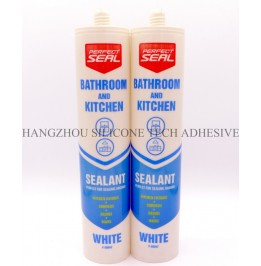
A successful waterproof sealing structure relies on several interconnected components working together to block water infiltration. Each part plays a specific role in ensuring the seal remains intact under various conditions.
The foundation of any waterproof sealing structure is the sealant itself. A flexible sealant forms a continuous barrier that adapts to movement without cracking. This flexibility is crucial because bathrooms experience frequent temperature changes and structural shifts, which can cause rigid materials to break. The sealant should be applied in a uniform thickness, typically between 3-6 mm, to ensure adequate coverage. Its ability to stretch and compress allows it to maintain a tight seal even as surfaces move, preventing water from seeping through gaps.
Before applying sealant, the surfaces must be meticulously prepared. This involves cleaning the area to remove dirt, grease, and old sealant residues. Any loose particles or uneven spots can compromise adhesion, leading to leaks over time. Surfaces should be dried completely, as moisture trapped beneath the sealant can cause bubbling or reduced bonding strength. For porous materials like concrete or tile grout, a primer may be necessary to enhance adhesion and create a smoother surface for the sealant to bond to.
In wider joints or gaps, backer rods are often used to support the sealant and control its depth. These cylindrical foam rods are inserted into the joint before applying sealant, creating a base that prevents the sealant from sinking too deeply. This ensures the sealant forms a proper hourglass shape when tooled, maximizing its surface area and improving adhesion to both sides of the joint. Backer rods also help reduce the amount of sealant needed, making the application more cost-effective while maintaining structural integrity.
The design of the sealing structure significantly impacts its ability to prevent water penetration. Thoughtful planning ensures the sealant works harmoniously with other bathroom elements to create a watertight system.
The shape and size of joints play a vital role in waterproofing. Ideally, joints should be designed with a consistent width to ensure uniform sealant application. V-shaped or concave joints are preferable, as they allow the sealant to form a thicker center and thinner edges, enhancing its resistance to water pressure. Avoid sharp corners or abrupt changes in joint direction, as these can create stress points where the sealant is more likely to crack. Instead, use smooth, rounded transitions to distribute pressure evenly across the seal.
A well-designed sealing structure must work in tandem with the bathroom’s drainage system. Sealant should be applied around drains, shower trays, and bathtubs to create a seamless transition between horizontal and vertical surfaces. This prevents water from pooling at the edges and finding its way beneath tiles or fixtures. Proper slope design in shower areas ensures water flows toward drains, reducing the load on the sealant and minimizing the risk of standing water, which can degrade the seal over time.
The sealant must be compatible with the materials it bonds to, such as tiles, glass, metal, or plastic. Different materials expand and contract at varying rates, so the sealant should have similar flexibility properties to avoid stress fractures. For example, when sealing between a ceramic tile and a metal drain, choose a sealant that can accommodate the thermal differences between these materials. Conducting adhesion tests on sample materials before full application can help verify compatibility and prevent future failures.
Even the most well-designed sealing structure requires regular maintenance to ensure continued waterproofing effectiveness. Proactive inspection and upkeep can identify issues early and prevent costly repairs down the line.
Periodically examine the sealant for visible signs of deterioration, such as cracking, peeling, or discoloration. These symptoms indicate that the sealant is losing its elasticity or adhesion, potentially allowing water to penetrate. Pay close attention to high-traffic areas and joints exposed to frequent water contact, as these are more prone to wear. Use a bright light and magnifying glass if necessary to inspect small crevices or hard-to-reach spots.
In addition to visual checks, perform occasional water tests to verify the seal’s integrity. For shower enclosures, run water along the edges and joints for several minutes, then inspect for leaks beneath or around the sealed areas. For bathtubs, fill the tub partially and observe whether any water seeps through the sealant around the drain or overflow. If leaks are detected, mark the affected areas for repair or reapplication of sealant.
If the sealant shows significant signs of aging or damage, it’s time to recaulk the affected areas. Remove the old sealant using a sealant remover tool or a plastic scraper, taking care not to scratch the surrounding surfaces. Clean the joint thoroughly with a mild detergent and water, then dry it completely. Apply new sealant following the manufacturer’s instructions, ensuring proper tooling to create a smooth, concave finish. Allow the sealant to cure fully before exposing it to water, as premature use can compromise its adhesion and waterproofing capabilities.
By focusing on core components, thoughtful design, and regular maintenance, you can create a waterproof sealing structure in your bathroom that stands up to daily use and protects against water damage. This approach ensures a durable, hygienic space that remains functional and aesthetically pleasing for years to come.
Copyright 2019 by Hangzhou Silicone Tech Adhesive Co., Ltd. All rights reserved.
Bathroom Sealant | Acrylic Sealant | Dow Corning 795 | Aquarium Sealant | Dow Corning 732 | Clear Silicone Sealant | Polysulfide Sealant | Glazing Sealant | Mirror Sealant | IG Sealant
Powered by Onepound


