E-mail:
sales@silicone-sealant-china.com

Bathrooms are environments where water exposure is constant, from daily showers to accidental splashes. The sealant used in these spaces must withstand prolonged immersion without degrading, cracking, or losing adhesion. Understanding the properties that make sealants resistant to water immersion is crucial for maintaining a watertight bathroom over time. Let’s explore the science behind this durability and how it impacts long-term performance.
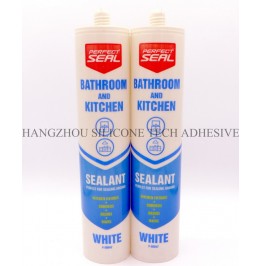
The ability of a sealant to resist water immersion begins with its chemical makeup. Different formulations offer varying levels of protection, depending on the polymers and additives used.
Silicone sealants are widely recognized for their exceptional water resistance. Their molecular structure, consisting of silicon-oxygen backbones with hydrophobic organic side chains, creates a barrier that repels water effectively. This composition prevents water molecules from penetrating the sealant, even during extended exposure. Silicone remains flexible when wet, allowing it to accommodate movement without compromising its waterproofing capabilities. Its resistance to mold and mildew growth further enhances its suitability for damp bathroom environments.
Polyurethane sealants offer another robust option for water-immersed areas. These sealants form a dense, cross-linked network that resists water absorption. Unlike some materials that swell or soften when wet, polyurethane maintains its structural integrity, preventing leaks. Its adhesion to a variety of surfaces, including tiles, porcelain, and glass, ensures a secure seal even in wet conditions. Polyurethane also resists chemicals commonly found in bathroom cleaners, making it a durable choice for long-term use.
Hybrid sealants blend the advantages of silicone and polyurethane, creating a versatile solution for water-immersion resistance. These formulations often incorporate acrylic polymers alongside silicone or polyurethane, enhancing flexibility while maintaining water repellency. Hybrid sealants adapt well to temperature fluctuations and structural movements, reducing the risk of cracking under stress. Their ability to bond to both porous and non-porous surfaces makes them ideal for complex bathroom layouts where different materials meet.
Beyond chemical composition, physical characteristics play a vital role in a sealant’s ability to withstand water immersion. These properties determine how the sealant performs under real-world conditions.
A critical feature of water-resistant sealants is their low water absorption rate. When water penetrates a sealant, it can cause swelling, softening, or even disintegration over time. High-quality sealants are engineered to absorb minimal moisture, ensuring they remain stable even after prolonged exposure. This is achieved through dense molecular structures and hydrophobic additives that repel water at the surface. Testing standards, such as ISO 8690, measure water absorption rates to verify a sealant’s suitability for wet environments.
Bathrooms experience frequent movement due to building settling, temperature changes, or vibrations. A rigid sealant would crack under such stress, allowing water to infiltrate. Flexible sealants, however, can stretch and compress without breaking, maintaining a continuous barrier against water. This elasticity is often measured as a percentage of elongation before failure, with higher values indicating greater flexibility. A sealant with at least 25% elongation is typically recommended for bathroom applications to handle typical movements.
Even the most water-resistant sealant will fail if it doesn’t adhere properly to surfaces. Strong adhesion ensures the sealant stays in place despite water pressure or movement. Adhesion is influenced by surface preparation, sealant formulation, and environmental conditions during application. Properly cleaned and dried surfaces allow the sealant to form a mechanical bond, while chemical additives in the sealant enhance bonding to specific materials. Testing adhesion strength through methods like peel tests helps verify a sealant’s performance in wet environments.
While sealants are designed to resist water, environmental conditions can impact their effectiveness over time. Understanding these factors helps in selecting and maintaining the right sealant for your bathroom.
Bathrooms experience temperature changes from hot showers to cold air conditioning. These fluctuations can cause sealants to expand and contract, potentially weakening their structure. High-quality sealants are formulated to withstand thermal cycling without cracking or losing adhesion. Silicone sealants, for example, remain flexible across a wide temperature range, from below freezing to over 200°F. This thermal stability ensures the sealant maintains its waterproofing properties regardless of seasonal changes.
Although bathrooms may not receive direct sunlight, ambient UV light from windows or skylights can degrade sealant over time. UV rays break down polymer chains, leading to brittleness and reduced flexibility. Water-resistant sealants often incorporate UV stabilizers that absorb or reflect UV radiation, protecting the underlying polymers. These additives extend the sealant’s lifespan by preventing premature degradation caused by light exposure, ensuring it remains effective in partially lit bathrooms.
Bathrooms are regularly cleaned with chemicals like bleach, ammonia, or acidic cleaners. These substances can react with sealant components, weakening their structure and reducing water resistance. Water-immersion-resistant sealants are formulated to resist common bathroom chemicals, maintaining their integrity after cleaning. However, it’s still advisable to use mild, non-abrasive cleaners when possible and rinse thoroughly to avoid chemical buildup on the sealant surface.
To ensure your bathroom sealant continues to resist water immersion effectively, regular maintenance is essential. Simple steps can extend its lifespan and prevent costly repairs.
Periodically check sealant joints for signs of wear, such as cracking, peeling, or discoloration. These indicators suggest the sealant is losing its water resistance and may need replacement. Pay special attention to areas around sinks, showers, and bathtubs, as these are most exposed to water. Early detection allows for timely repairs before water damage occurs, saving time and money in the long run.
Clean sealant regularly using a soft cloth or sponge and a mild, non-abrasive cleaner. Avoid harsh chemicals or scrub brushes that could scratch the surface or degrade the sealant. For stubborn stains, a solution of equal parts water and vinegar can be effective without causing harm. Rinse the sealant thoroughly after cleaning and dry it with a clean towel to prevent moisture buildup, which could lead to mold growth.
If sealant shows significant signs of deterioration, remove the old material using a sealant remover tool or a plastic scraper to avoid damaging surfaces. Clean the area thoroughly, ensuring it’s dry and free of debris before applying new sealant. Follow proper application techniques, such as tooling the sealant into a concave shape for even coverage, to ensure a strong, waterproof bond. For minor cracks, some sealants can be repaired by applying a fresh bead over the damaged area, though complete replacement is often the best long-term solution.
By selecting a sealant with the right chemical composition, physical properties, and environmental resistance, and by maintaining it properly, you can ensure your bathroom remains protected from water damage for years to come. This proactive approach minimizes the risk of leaks and extends the life of your bathroom fixtures and finishes.
Copyright 2019 by Hangzhou Silicone Tech Adhesive Co., Ltd. All rights reserved.
Bathroom Sealant | Acrylic Sealant | Dow Corning 795 | Aquarium Sealant | Dow Corning 732 | Clear Silicone Sealant | Polysulfide Sealant | Glazing Sealant | Mirror Sealant | IG Sealant
Powered by Onepound


