E-mail:
sales@silicone-sealant-china.com

Bathrooms are spaces that experience frequent temperature fluctuations, humidity changes, and structural movements due to building settling or vibrations. These conditions demand a waterproofing solution that can adapt without cracking or losing its seal. High-elasticity bathroom sealants are engineered to meet these challenges, providing durable, flexible protection against water infiltration. Let’s explore the science behind their impressive stretchability and how it benefits bathroom maintenance.
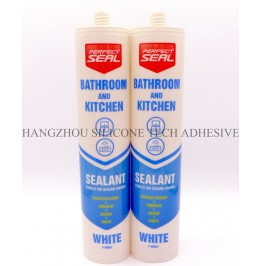
The foundation of a sealant’s elasticity lies in its polymer composition. Polymers are long-chain molecules that can be tailored to exhibit specific physical properties, including flexibility, tensile strength, and adhesion.
Silicone polymers are a popular choice for bathroom sealants due to their exceptional flexibility. These polymers consist of alternating silicon and oxygen atoms with organic side chains, creating a three-dimensional network that allows for significant elongation without breaking. Silicone sealants can typically stretch up to 500% of their original length, making them ideal for joints that expand and contract regularly. Their rubber-like consistency ensures they return to their original shape after stretching, maintaining a watertight seal.
Some sealants use hybrid polymer formulations that blend the benefits of silicone with other materials like acrylics or polyurethanes. These hybrids offer improved adhesion to a wider range of surfaces while retaining high elasticity. The combination of polymers creates a cross-linked structure that distributes stress evenly, preventing cracks even under extreme movement. Hybrid sealants are particularly useful in bathrooms where different materials meet, such as tile-to-bathtub joints, as they accommodate varying expansion rates.
The molecular weight of polymers also influences a sealant’s flexibility. Higher-molecular-weight polymers have longer chains that can slide past one another more easily, allowing for greater elongation. Manufacturers carefully control molecular weight during production to achieve the desired balance between stretchability and tensile strength. This precision ensures the sealant remains flexible enough to handle movement without becoming too soft or prone to tearing.
While polymer chemistry provides the foundation for flexibility, environmental conditions play a crucial role in maintaining a sealant’s elastic properties over time.
Bathrooms experience temperature swings from hot showers to cold air conditioning. High-elasticity sealants are formulated to withstand these extremes without becoming brittle or overly soft. Silicone-based sealants, for example, remain flexible at temperatures as low as -40°C and as high as 150°C, ensuring they don’t crack in winter or deform in summer. This thermal stability is achieved through careful selection of raw materials and additives that prevent degradation under heat or cold.
Although bathrooms may not receive direct sunlight, ambient UV light from windows or skylights can degrade sealant over time. High-quality sealants incorporate UV stabilizers that protect polymers from photodegradation, maintaining their elasticity even with prolonged exposure. Additionally, bathroom sealants resist chemicals found in cleaning products, such as bleach or ammonia, which could otherwise weaken the polymer structure and reduce flexibility.
Constant exposure to moisture is a defining feature of bathrooms. While sealants are designed to repel water, they must also manage humidity to prevent internal degradation. High-elasticity sealants are often hydrophobic, meaning they repel water at the surface, while their internal structure allows for minimal moisture absorption. This balance ensures the sealant remains flexible and doesn’t become waterlogged, which could lead to cracking or loss of adhesion.
Even the best sealant won’t perform optimally if not applied correctly. Proper application techniques ensure the sealant forms a strong, flexible bond that can accommodate movement without failing.
Before applying sealant, surfaces must be clean, dry, and free of dust, grease, or old sealant residues. Any contaminants can prevent the sealant from adhering properly, leading to gaps that compromise flexibility. Use a mild detergent and water to clean surfaces, followed by a solvent like isopropyl alcohol for thorough degreasing. Allow surfaces to dry completely before sealing to avoid trapping moisture beneath the sealant.
After applying sealant, use a caulking tool or your finger dipped in soapy water to smooth the bead into a concave shape. This technique ensures even coverage and prevents air pockets that could weaken the seal. A properly tooled sealant forms a consistent layer that can stretch uniformly, reducing the risk of cracks at weak points. Work in small sections to maintain control and avoid uneven application.
Sealants require time to cure and reach their full elastic properties. Follow manufacturer instructions for curing time, which typically ranges from 24 to 72 hours depending on the formulation and environmental conditions. During curing, maintain consistent temperature and humidity levels to prevent premature drying or shrinkage, which could affect flexibility. Avoid disturbing the sealant until it’s fully cured to ensure a strong, elastic bond.
To ensure your bathroom sealant remains highly elastic over time, regular maintenance is essential. Simple steps can extend the life of the sealant and prevent premature failure.
Periodically check sealant joints for signs of cracking, peeling, or discoloration. These indicators suggest the sealant is losing its elasticity and may need replacement. Pay special attention to high-movement areas like corners or joints between different materials, as these are most susceptible to wear. Early detection allows for timely repairs before water damage occurs.
Clean sealant regularly with a mild, non-abrasive cleaner and a soft cloth or sponge. Avoid harsh chemicals or scrub brushes that could scratch the surface or degrade the polymer. For stubborn stains, use a solution of equal parts water and vinegar, which is gentle yet effective. Rinse thoroughly and dry the sealant after cleaning to prevent moisture buildup.
If sealant shows signs of deterioration, remove the old material using a sealant remover tool or a plastic scraper to avoid damaging surfaces. Clean the area thoroughly, then apply new sealant following the same techniques outlined above. For minor cracks, some sealants can be repaired by applying a fresh bead over the damaged area, though complete replacement is often the best long-term solution.
By understanding the polymer science behind flexibility, considering environmental factors, applying sealant correctly, and maintaining it regularly, you can ensure your bathroom remains protected by a highly elastic, durable waterproof seal. This proactive approach minimizes the risk of water damage and extends the life of your bathroom fixtures and finishes.
Copyright 2019 by Hangzhou Silicone Tech Adhesive Co., Ltd. All rights reserved.
Bathroom Sealant | Acrylic Sealant | Dow Corning 795 | Aquarium Sealant | Dow Corning 732 | Clear Silicone Sealant | Polysulfide Sealant | Glazing Sealant | Mirror Sealant | IG Sealant
Powered by Onepound


