E-mail:
sales@silicone-sealant-china.com

Bathrooms are high-moisture environments where mold and bacteria thrive due to constant exposure to water, steam, and organic matter. Mold-resistant sealants play a crucial role in maintaining hygiene by creating a barrier that prevents microbial growth. Understanding the science behind their effectiveness helps homeowners choose the right products and maintain a healthy bathroom. Below, we explore the mechanisms that make these sealants effective against mold and bacteria.
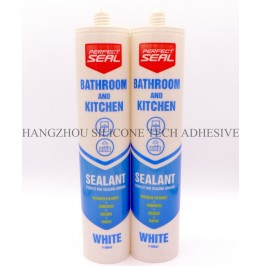
Mold-resistant sealants incorporate specific compounds designed to disrupt the life cycle of mold and bacteria. These ingredients work at the molecular level to inhibit growth and prevent colonization.
Many sealants contain biocides—chemical substances that kill or inhibit the growth of microorganisms. Common biocides include isothiazolinones, carbamates, and quaternary ammonium compounds. These agents penetrate microbial cell walls, disrupting metabolic processes and preventing reproduction. Some sealants use natural antimicrobial agents like zinc pyrithione, which is effective against a wide range of fungi and bacteria without harsh chemicals.
Fungistatic compounds prevent mold spores from germinating and spreading. These additives create an inhospitable environment for fungi by altering pH levels or interfering with enzyme activity. For example, boron-based compounds disrupt fungal cell membranes, while silver ions inhibit DNA replication, stopping mold growth in its tracks. These ingredients are often integrated into the sealant matrix to provide long-lasting protection.
Water is essential for mold and bacteria to thrive. Mold-resistant sealants form hydrophobic barriers that repel moisture, preventing microbes from accessing the water they need to grow. Silicone-based sealants, in particular, are highly effective at creating waterproof seals that block moisture penetration. This physical barrier complements chemical antimicrobial agents, offering dual protection against microbial colonization.
Beyond chemical ingredients, the physical structure of mold-resistant sealants contributes to their effectiveness. These properties prevent moisture retention and create surfaces that are difficult for microbes to adhere to.
Mold-resistant sealants cure to form smooth, non-porous surfaces that resist microbial attachment. Unlike porous materials like grout or untreated concrete, non-porous sealants do not trap moisture or organic debris, which serve as food sources for mold and bacteria. This makes it harder for microbes to establish colonies and spread, reducing the risk of contamination.
Cracks and gaps in sealant provide entry points for moisture and microbes. High-quality mold-resistant sealants remain flexible even after curing, allowing them to expand and contract with temperature changes without cracking. This durability ensures a continuous barrier against water and microbial infiltration, maintaining long-term protection in dynamic bathroom environments.
While bathrooms may not receive direct sunlight, ambient UV light from windows or skylights can degrade sealant over time. UV-stable sealants resist photodegradation, maintaining their structural integrity and antimicrobial properties even when exposed to light. This stability prevents the breakdown of chemical agents and physical barriers, ensuring consistent performance over years of use.
The effectiveness of mold-resistant sealants depends not only on their composition but also on how they are used and maintained. Proper application and environmental control enhance their ability to prevent microbial growth.
For sealants to perform effectively, they must be applied under the right conditions. Surfaces should be clean, dry, and free of dust, grease, or old sealant residues. Moisture trapped beneath the sealant can promote mold growth, so thorough drying is essential before application. Applying sealant in a well-ventilated area ensures proper curing and adhesion, creating a strong, impenetrable barrier.
Even with mold-resistant sealants, excessive humidity can create conditions conducive to microbial growth. Proper ventilation, such as exhaust fans or open windows, helps reduce moisture levels in the bathroom. Dehumidifiers can also be used in particularly humid climates to maintain optimal humidity (ideally below 60%). By controlling environmental factors, homeowners can enhance the effectiveness of mold-resistant sealants.
Mold-resistant sealants require minimal maintenance but should be cleaned regularly to remove soap scum, dirt, or organic residues that could feed microbes. Use a mild, non-abrasive cleaner and a soft cloth or sponge to avoid damaging the sealant surface. Inspect sealant periodically for signs of wear, cracking, or peeling, and reapply or repair as needed to maintain an unbroken barrier against moisture and microbes.
The acidity or alkalinity of a surface can significantly impact mold and bacteria growth. Mold-resistant sealants often leverage pH manipulation to create environments that are hostile to microbes.
Many mold-resistant sealants have slightly alkaline pH levels, which inhibit fungal growth. Fungi prefer acidic conditions, so an alkaline surface disrupts their ability to thrive. This pH adjustment is often achieved through the inclusion of alkaline additives like calcium hydroxide or potassium hydroxide, which remain active in the sealant matrix for extended periods.
Some sealants use mildly acidic formulations to deter bacterial growth. Acidic environments can denature bacterial enzymes, preventing them from metabolizing nutrients or reproducing. However, overly acidic sealants may corrode certain surfaces, so manufacturers carefully balance pH levels to ensure effectiveness without causing damage.
The pH of a sealant can change over time due to environmental factors or chemical reactions. High-quality mold-resistant sealants are formulated to maintain stable pH levels throughout their lifespan, ensuring consistent antimicrobial activity. This stability is particularly important in bathrooms, where frequent exposure to water and cleaning agents could otherwise alter pH and reduce effectiveness.
By combining active antimicrobial ingredients, physical barriers, and environmental control, mold-resistant sealants provide comprehensive protection against mold and bacteria in bathrooms. Understanding these mechanisms allows homeowners to make informed choices about product selection and maintenance, ensuring a clean, healthy, and durable bathroom environment.
Copyright 2019 by Hangzhou Silicone Tech Adhesive Co., Ltd. All rights reserved.
Bathroom Sealant | Acrylic Sealant | Dow Corning 795 | Aquarium Sealant | Dow Corning 732 | Clear Silicone Sealant | Polysulfide Sealant | Glazing Sealant | Mirror Sealant | IG Sealant
Powered by Onepound


