E-mail:
sales@silicone-sealant-china.com

Bathroom sealants play a vital role in preventing water damage, mold growth, and air leaks in one of the most humid and high-traffic areas of the home. However, over time, many sealants succumb to yellowing and premature aging, detracting from the bathroom's appearance and functionality. Choosing a sealant with superior resistance to these issues ensures a clean, durable finish that stands the test of time. Below, we explore the causes of yellowing and aging, key features to look for, and practical tips for maintaining sealant longevity.
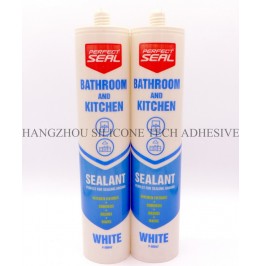
Even the highest-quality sealants can degrade if exposed to certain environmental factors. Identifying these triggers helps homeowners select products that can withstand bathroom conditions.
While bathrooms may not receive direct sunlight, ambient UV light from windows or skylights can still impact sealants. Over time, UV rays break down chemical bonds in the sealant, leading to discoloration and brittleness. This is particularly common in sealants used around shower doors or near windows.
Bathrooms are inherently moist environments, with steam from showers and baths creating constant humidity. Prolonged exposure to moisture can cause sealants to swell, crack, or lose adhesion, accelerating the aging process. Poor ventilation exacerbates these effects, trapping moisture and promoting mold growth.
Cleaning products, personal care items, and even tap water can contain chemicals that react with sealants. Harsh solvents, bleach, or acidic substances may erode the sealant's surface, causing it to yellow or degrade faster. Even mild soaps and shampoos can leave residues that attract dirt and stains over time.
To combat these challenges, manufacturers have developed advanced sealants with specific properties designed to maintain their appearance and performance. Here are the essential features to prioritize:
Look for sealants containing UV stabilizers or inhibitors, which protect against the damaging effects of ultraviolet light. These additives absorb or reflect UV rays, preventing chemical breakdown and discoloration. UV-resistant sealants are ideal for areas exposed to natural light, such as around shower enclosures or near windows.
A truly waterproof sealant forms an impermeable barrier against moisture, preventing swelling, cracking, or mold growth. Moisture-resistant sealants often incorporate hydrophobic ingredients that repel water, ensuring long-term adhesion even in high-humidity environments. These properties are critical for maintaining a clean, healthy bathroom.
Sealants with chemical-resistant formulas can withstand exposure to common household cleaners and personal care products without yellowing or deteriorating. Stain-resistant sealants feature smooth, non-porous surfaces that repel dirt, oils, and other contaminants, making them easier to clean and maintain over time.
Even the most durable sealants require proper care to maximize their longevity. Follow these guidelines to ensure your bathroom sealant remains in top condition for years to come.
Thoroughly clean and dry surfaces before applying sealant to remove dirt, grease, or old sealant residues. Use a mild detergent or alcohol-based cleaner, followed by a rinse with clean water. Ensure surfaces are completely dry to prevent trapped moisture from compromising adhesion.
Apply sealant in a continuous, even bead, using a caulking gun for precision. Smooth the sealant with a wet finger or caulking tool to create a clean, concave finish that sheds water. Avoid over-applying, as excess sealant can crack or peel over time. Allow the sealant to cure fully according to the manufacturer’s instructions before exposing it to moisture.
Clean sealant surfaces regularly with a mild, non-abrasive cleaner to remove soap scum, dirt, or mildew. Avoid harsh chemicals or scrubbing tools that could damage the sealant. For stubborn stains, use a soft-bristled brush and a solution of water and vinegar or baking soda. Inspect sealant periodically for signs of cracking, peeling, or discoloration, and address issues promptly to prevent further damage.
The type of material used in a sealant significantly impacts its resistance to yellowing and aging. Understanding these differences helps homeowners make informed choices based on their specific needs.
Silicone sealants are highly flexible, waterproof, and resistant to UV light, making them an excellent choice for bathrooms. They maintain their elasticity over time, even in extreme temperature fluctuations, and are less likely to crack or shrink. Silicone sealants also resist mold and mildew growth, ensuring a hygienic environment.
Polyurethane sealants offer exceptional durability and abrasion resistance, making them suitable for high-traffic areas. They adhere well to a variety of surfaces, including tile, glass, and metal, and can withstand chemical exposure without yellowing. However, polyurethane sealants may be less flexible than silicone and can become brittle in cold temperatures.
Hybrid sealants combine the best properties of silicone and polyurethane, offering flexibility, waterproofing, and chemical resistance in one product. These sealants are versatile and easy to apply, making them a popular choice for bathroom renovations. Their advanced formulations resist yellowing and aging, providing long-lasting performance.
Misinformation about sealant durability can lead to poor product choices or improper maintenance. Dispelling these myths helps homeowners achieve better results.
While some sealants are prone to yellowing, many modern formulations incorporate UV stabilizers and other additives to prevent discoloration. Choosing a high-quality, UV-resistant sealant and maintaining it properly can significantly reduce the risk of yellowing.
Even the most durable sealants require regular cleaning and inspection to remain effective. Neglecting sealant maintenance can lead to premature aging, cracking, or mold growth, compromising the bathroom’s integrity and appearance.
Price does not always correlate with performance or durability. Many affordable sealants offer excellent resistance to yellowing and aging when used correctly. Focus on product features, certifications, and user reviews rather than price alone when selecting a sealant.
By understanding the causes of yellowing and aging, prioritizing key features, and following proper maintenance practices, homeowners can ensure their bathroom sealants remain clean, durable, and effective for years to come. Investing in a high-quality, resistant sealant and caring for it properly protects both the bathroom’s appearance and its structural integrity.
Copyright 2019 by Hangzhou Silicone Tech Adhesive Co., Ltd. All rights reserved.
Bathroom Sealant | Acrylic Sealant | Dow Corning 795 | Aquarium Sealant | Dow Corning 732 | Clear Silicone Sealant | Polysulfide Sealant | Glazing Sealant | Mirror Sealant | IG Sealant
Powered by Onepound


