E-mail:
sales@silicone-sealant-china.com

When selecting materials for bathroom renovations or repairs, homeowners increasingly prioritize products that meet strict environmental standards. One critical consideration is formaldehyde content, as this chemical can pose significant health risks when released into indoor air. Bathroom sealants, often used in high-moisture areas, are no exception. Understanding zero-formaldehyde environmental standards for these products helps create safer, healthier living spaces. Below, we explore the importance of formaldehyde-free sealants, key environmental criteria, and how to identify compliant products.
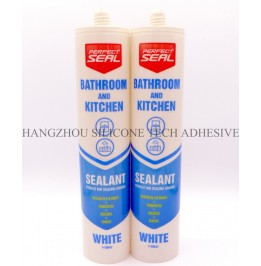
Formaldehyde is a volatile organic compound (VOC) commonly found in adhesives, resins, and some sealants. In bathrooms, where humidity levels are high, formaldehyde can off-gas more readily, leading to poor indoor air quality and potential health issues.
Exposure to formaldehyde fumes can irritate the eyes, nose, and throat, causing coughing, sneezing, or difficulty breathing. Individuals with asthma or allergies may experience worsened symptoms, making formaldehyde-free sealants essential for sensitive populations.
Prolonged exposure to formaldehyde has been linked to more severe health problems, including certain types of cancer. While bathroom sealants typically contain lower concentrations than industrial products, cumulative exposure over time remains a concern, especially in poorly ventilated spaces.
Formaldehyde contributes to overall VOC levels in indoor air, which can exceed outdoor concentrations by several times. This "sick building syndrome" affects occupant comfort and productivity, highlighting the need for low-emission materials like zero-formaldehyde sealants.
To ensure bathroom sealants are truly formaldehyde-free, look for products that adhere to recognized environmental certifications and testing protocols. These standards provide third-party verification of a product’s safety and sustainability.
Several global organizations set strict limits on formaldehyde emissions in building materials. For example, the German Blue Angel (Der Blaue Engel) and the Finnish M1 Classification require sealants to emit negligible amounts of formaldehyde, often below detectable levels. Products meeting these criteria are ideal for eco-conscious homeowners.
Many countries impose legal limits on formaldehyde content in consumer products. In the European Union, REACH regulations restrict formaldehyde in sealants to very low concentrations, while the U.S. Environmental Protection Agency (EPA) enforces similar standards under the Toxic Substances Control Act (TSCA). Familiarizing yourself with local regulations helps ensure compliance.
While not specific to formaldehyde, low-VOC or zero-VOC certifications indicate that a sealant emits minimal harmful chemicals, including formaldehyde. These labels, such as Green Seal or ECOLOGO, provide a quick reference for identifying environmentally responsible products.
With growing demand for sustainable products, it’s essential to distinguish genuine zero-formaldehyde sealants from those with misleading claims. Here are practical steps to verify a product’s compliance:
Reputable manufacturers display certification logos prominently on packaging or product literature. Look for symbols from recognized organizations like the Blue Angel, M1, or Green Seal. These certifications confirm that the sealant meets strict formaldehyde emission limits.
Manufacturers often provide detailed technical data sheets (TDS) or material safety data sheets (MSDS) that list formaldehyde content and emission rates. Compare these values against regulatory thresholds to ensure the product is truly formaldehyde-free.
Terms like "natural," "eco-friendly," or "green" are not regulated and may not guarantee zero formaldehyde content. Instead, focus on specific certifications or test results to make an informed decision.
Choosing formaldehyde-free sealants offers numerous advantages beyond health and environmental benefits. These products enhance overall bathroom quality and provide long-term value for homeowners.
By eliminating formaldehyde emissions, zero-formaldehyde sealants contribute to cleaner, fresher indoor air. This is especially important in bathrooms, where moisture can trap pollutants and exacerbate respiratory issues.
Many formaldehyde-free sealants are formulated using advanced, sustainable materials that resist cracking, peeling, and mold growth. Their robust composition ensures long-lasting performance, even in high-humidity environments.
Knowing that your bathroom sealant is free from harmful chemicals provides reassurance, especially for families with children or individuals with health sensitivities. This peace of mind is invaluable when creating a safe and comfortable home environment.
Whether you’re renovating an existing bathroom or building a new one, integrating zero-formaldehyde sealants is a straightforward process. Follow these steps to ensure a successful application:
Determine the specific requirements for your bathroom, such as waterproofing, flexibility, or mold resistance. Choose a zero-formaldehyde sealant that meets these needs while adhering to environmental standards.
Clean and dry surfaces thoroughly before applying the sealant. Remove any old sealant, dirt, or debris to ensure proper adhesion and performance.
Adhere to the manufacturer’s instructions for application and curing times. This ensures the sealant performs as intended and maintains its zero-formaldehyde properties over time.
By prioritizing zero-formaldehyde environmental standards for bathroom sealants, homeowners can create safer, healthier, and more sustainable living spaces. These products offer a responsible choice that protects both occupants and the planet, making them an essential component of modern bathroom design.
Copyright 2019 by Hangzhou Silicone Tech Adhesive Co., Ltd. All rights reserved.
Bathroom Sealant | Acrylic Sealant | Dow Corning 795 | Aquarium Sealant | Dow Corning 732 | Clear Silicone Sealant | Polysulfide Sealant | Glazing Sealant | Mirror Sealant | IG Sealant
Powered by Onepound


