E-mail:
sales@silicone-sealant-china.com


Views: 286 Mar 13 , 2026
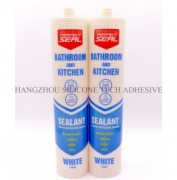
Protecting Sealant Performance: When to Avoid Mechanical Impact After Application Sealants play a vital role in creating durable, watertight bonds in construction and renovation projects. However, their curing process makes them vulnerable to mechanical shock during specific periods. Understanding when to avoid impact ensures the sealant achieves its intended strength...
Views: 295 Mar 13 , 2026
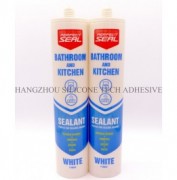
Key Factors Influencing the Waterproofing Lifespan After Sealant Application The durability of sealants after application depends on multiple factors, from material selection to environmental conditions. Understanding these elements helps ensure long-lasting waterproofing performance in residential or commercial projects. Material Quality and...
Views: 296 Mar 11 , 2026
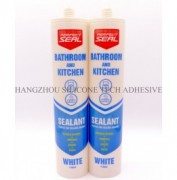
Optimal Timing for Pipeline Water Testing After Bathroom Sealant Application Sealants are essential for creating watertight barriers in bathrooms, preventing leaks around pipes, joints, and fixtures. However, timing is critical when conducting pipeline water tests after sealant application. Testing too soon can compromise the sealant’s integrity, while waiting too...
Views: 313 Mar 11 , 2026
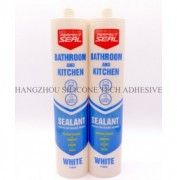
Critical Timing: When to Avoid Heavy Loads After Sealant Application Sealants are essential for creating durable, watertight bonds in construction and renovation projects. However, their curing process is time-sensitive, and applying heavy loads too soon can compromise their performance. Understanding the prohibited time for heavy compression or impact after sealant...
Views: 365 Mar 11 , 2026
Understanding Application Restrictions for Different Types of Sealants Sealants play a critical role in preventing leaks, ensuring airtightness, and protecting structures from environmental damage. However, not all sealants are suitable for every application. Understanding the specific restrictions and ideal use cases for different types of sealants is essential for...
Views: 271 Mar 10 , 2026
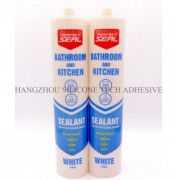
Understanding Color Changes in Sealants After Application Sealants are essential for creating watertight and airtight seals in various applications, from bathrooms and kitchens to exterior building joints. However, color changes in sealants after application can be a concern, affecting both aesthetics and performance. Understanding the factors that influence color...
Views: 279 Mar 10 , 2026
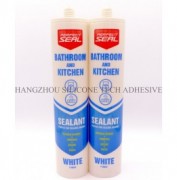
Maintaining Bathroom Sealant in Long-Term Humid Environments Bathrooms are inherently humid spaces, and the sealant around showers, bathtubs, and sinks plays a crucial role in preventing water damage. Over time, constant exposure to moisture can weaken even high-quality sealants, leading to mold growth, discoloration, or cracking. Proper maintenance is essential to...
Views: 431 Mar 10 , 2026
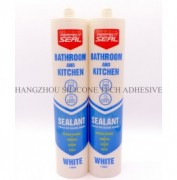
Post-Application Care for Sealants: Essential Guidelines for the First 7 Days Initial Curing Phase: First 24–48 Hours The first 48 hours after sealant application are critical for achieving proper adhesion and structural integrity. During this period, avoid exposing the sealed surface to water, moisture, or extreme temperature fluctuations. For outdoor...
Views: 718 Mar 10 , 2026
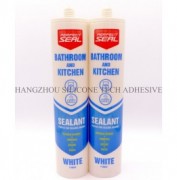
Restrictions on Using Cleaning Agents After Sealant Application When sealants are applied to surfaces, whether it's in bathrooms, kitchens, or other areas, understanding the limitations on using cleaning agents afterward is crucial. Improper use of cleaning products can damage the sealant, compromise its performance, and even lead to costly repairs. Here are some...
Views: 277 Mar 10 , 2026
Preventing Reactions Between Bathroom Sealants and Tile Glaze When renovating or maintaining a bathroom, ensuring the compatibility of bathroom sealants with tile glaze is crucial. Reactions between these materials can lead to discoloration, cracking, or even complete failure of the sealant, compromising both aesthetics and functionality. Here are some practical...
Views: 313 Mar 10 , 2026
Effective Methods for Repairing Surface Scratches After Sealant Application When scratches appear on surfaces treated with sealants, they not only affect the aesthetics but may also compromise the sealing performance. Here are several practical repair strategies to restore the integrity and appearance of sealant-coated surfaces. Surface Preparation and...
Views: 408 Mar 08 , 2026
Minimum Temperature Requirements for Sealant Application Environments Sealant performance and longevity depend heavily on proper application conditions, with temperature being one of the most critical factors. Applying sealants below their recommended minimum temperature can lead to adhesion failures, incomplete curing, or structural weaknesses. Understanding these...
Copyright 2019 by Hangzhou Silicone Tech Adhesive Co., Ltd. All rights reserved.
Bathroom Sealant | Acrylic Sealant | Dow Corning 795 | Aquarium Sealant | Dow Corning 732 | Clear Silicone Sealant | Polysulfide Sealant | Glazing Sealant | Mirror Sealant | IG Sealant
Powered by Onepound


