E-mail:
sales@silicone-sealant-china.com

When it comes to bathroom renovations or construction, applying sealant is a crucial step to prevent water leakage and maintain the integrity of the space. However, once the sealant is in place, structural settlement can pose significant challenges and have far - reaching effects on its performance.
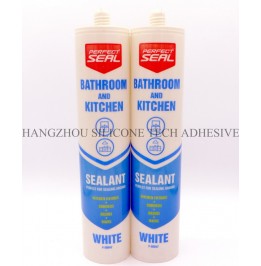
Structural settlement occurs when the foundation or supporting structure of a building moves downward. This movement can cause the surfaces to which the bathroom sealant is adhered to shift. As a result, the initial strong bond between the sealant and the substrate, such as tiles, bathtub edges, or shower trays, can be compromised. The sealant may start to pull away from the surface in some areas, creating small gaps. These gaps, even if initially minute, can allow water to seep through during showers or baths. Over time, the continuous presence of water can further erode the bond, leading to larger separations and a complete loss of the sealant's waterproofing function.
The uneven movement caused by structural settlement can create stress concentrations at specific points along the sealant joint. For example, if one part of the bathroom floor settles more than another, the sealant around the junction of the floor and the wall may experience excessive stretching or compression. This stress can cause the sealant to crack or tear. Cracks in the sealant are a major concern as they provide direct pathways for water to penetrate into the underlying structure, potentially causing damage to the sub - floor, walls, and even the foundation of the building.
Once water starts to infiltrate through the compromised sealant due to structural settlement, it creates a damp environment. Bathrooms are already prone to high humidity levels, and the addition of water from leaks exacerbates the situation. This moisture provides an ideal breeding ground for mold and mildew. These fungi can grow rapidly on the surfaces around the leaky sealant, as well as on the underlying materials such as drywall or wood. Mold and mildew not only have an unpleasant odor but can also pose health risks to the occupants of the building, especially those with respiratory conditions. Additionally, removing mold and mildew can be a difficult and time - consuming process, often requiring the replacement of affected materials.
If water continues to enter through the damaged sealant over an extended period, it can cause significant structural deterioration. In the case of a wooden sub - floor, prolonged exposure to water can lead to rotting. Rotted wood loses its strength and stability, which can result in sagging floors or even structural failure in severe cases. For concrete or masonry structures, water can cause corrosion of any embedded metal reinforcement, weakening the overall structure. The damage may not be immediately visible, but it can gradually worsen, leading to costly repairs in the future.
Structural settlement - induced damage to the bathroom sealant can have a negative impact on the aesthetic appeal of the space. Cracked, torn, or peeling sealant looks unsightly and can detract from the overall look of a well - designed bathroom. The presence of mold and mildew, which often accompany water leaks, further adds to the unattractive appearance, making the bathroom look dirty and unkempt. This can be a significant issue, especially if the bathroom is part of a home that is on the market for sale or rent, as it can reduce the property's value and appeal to potential buyers or tenants.
A compromised sealant can also affect the functionality of the bathroom. Water leaks can damage fixtures such as cabinets, vanities, and electrical outlets located near the affected areas. For example, water seeping into a bathroom cabinet can cause the wood to swell and warp, making it difficult to open and close the doors. Electrical outlets exposed to water can pose a serious safety hazard, increasing the risk of electrical shocks or short - circuits. Additionally, the presence of water on the floor due to a leaky sealant can create slippery surfaces, increasing the likelihood of slips and falls, especially for elderly or disabled individuals.
Copyright 2019 by Hangzhou Silicone Tech Adhesive Co., Ltd. All rights reserved.
Bathroom Sealant | Acrylic Sealant | Dow Corning 795 | Aquarium Sealant | Dow Corning 732 | Clear Silicone Sealant | Polysulfide Sealant | Glazing Sealant | Mirror Sealant | IG Sealant
Powered by Onepound


