E-mail:
sales@silicone-sealant-china.com

Water quality varies significantly across regions due to differences in mineral content, pH levels, and chemical additives. These variations can impact the performance and longevity of sealants used in plumbing, tiling, and construction. Understanding how water quality affects sealant selection is essential for ensuring durability and preventing premature failure.
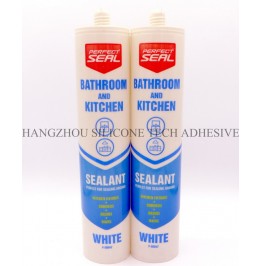
Hard water contains high concentrations of dissolved minerals like calcium and magnesium. Over time, these minerals can deposit on sealant surfaces, leading to unsightly scaling and reduced adhesion. In extreme cases, mineral buildup can create physical pressure on the sealant, causing it to crack or peel.
When selecting sealants for hard water regions, prioritize formulations with strong resistance to mineral deposition. Look for products that explicitly mention compatibility with hard water or include additives that inhibit scaling. These sealants often feature enhanced flexibility to accommodate minor movements without compromising their bond, even when coated with mineral deposits.
In addition to choosing the right sealant, regular maintenance is crucial in hard water areas. Wiping down sealant surfaces weekly with a mild acidic solution—such as diluted vinegar—can help dissolve early-stage mineral deposits. For established scaling, a commercial descaling agent designed for construction materials may be necessary, but always test on a small area first to avoid damaging the sealant.
Soft water has low mineral content but may contain higher levels of chlorine or other disinfectants used in municipal water treatment. These chemicals can degrade certain sealant materials over time, leading to discoloration, brittleness, or loss of adhesion. Additionally, soft water’s lack of minerals means it can be more aggressive toward some polymers, accelerating wear.
For soft water regions, opt for sealants formulated to resist chemical degradation. Neutral-cure silicone sealants are often a good choice, as they lack the acidic byproducts of acid-cure variants that can react with water additives. Polyurethane sealants with chemical-resistant additives may also perform well, provided they are applied in well-ventilated areas to ensure proper curing.
If the water supply contains high chlorine levels, consider pre-treating the application area with a neutralizing agent or allowing the water to sit for 24 hours before use to reduce chemical activity. During installation, avoid using sealants near direct water inlets or areas where water sits stagnant, as these spots experience prolonged chemical exposure.
Coastal regions and areas with brackish water face unique challenges due to high salt concentrations. Salt can penetrate sealant pores, causing osmotic pressure that leads to blistering, cracking, or delamination. Saltwater also accelerates corrosion of metal fixtures adjacent to sealants, which can compromise the seal over time.
In high-salinity environments, prioritize sealants with excellent salt resistance and low water absorption rates. Marine-grade sealants, though not always necessary, often incorporate advanced polymers and fillers designed to withstand harsh saltwater conditions. Ensure the sealant is fully cured before exposing it to saltwater, as uncured material is more vulnerable to penetration.
For outdoor applications in coastal areas, apply a protective coating over the sealant to create a barrier against salt spray. Regularly rinse the sealant with fresh water to remove salt deposits, especially after storms or high tides. Indoors, maintain proper ventilation to reduce humidity levels, as moisture combined with salt can exacerbate degradation.
Water with extreme pH levels—either highly acidic or alkaline—can chemically attack sealant materials. Acidic water can dissolve certain fillers or polymers, while alkaline water can cause saponification, a process that breaks down sealant components and weakens the bond.
When dealing with acidic or alkaline water, select sealants explicitly rated for compatibility with such conditions. Neutral-pH sealants are generally safer, but verify their resistance range with the manufacturer. For industrial or agricultural settings where water may contain fertilizers or other chemicals, conduct a compatibility test before full-scale application.
In areas with aggressive water chemistry, apply sealants in thicker beads to create a more robust barrier. Allow extra curing time to ensure the sealant forms a complete chemical bond before exposure to water. If possible, isolate the sealant from direct contact with water using physical barriers or secondary coatings.
By tailoring sealant selection to the specific water quality challenges of each region, builders and homeowners can ensure long-lasting, reliable performance. Whether addressing hard water scaling, soft water corrosion, salt penetration, or pH extremes, understanding the interplay between water chemistry and sealant materials is the key to success.
Copyright 2019 by Hangzhou Silicone Tech Adhesive Co., Ltd. All rights reserved.
Bathroom Sealant | Acrylic Sealant | Dow Corning 795 | Aquarium Sealant | Dow Corning 732 | Clear Silicone Sealant | Polysulfide Sealant | Glazing Sealant | Mirror Sealant | IG Sealant
Powered by Onepound


