E-mail:
sales@silicone-sealant-china.com

Sealants are widely used in bathrooms, kitchens, and other moisture-prone areas to create watertight barriers. However, their porous nature and exposure to humidity make them vulnerable to microbial growth if not properly managed. Understanding how to prevent mold, mildew, and bacteria from thriving on freshly applied sealants is essential for maintaining hygiene and durability.
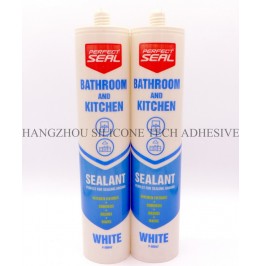
The foundation for preventing microbial growth begins with thorough surface preparation. Any existing mold, mildew, or organic debris on the substrate can become trapped beneath the sealant, providing a food source for future colonies. Start by cleaning the area with a mild detergent and water to remove visible dirt and grime.
For stubborn stains or microbial residue, use a solution of equal parts white vinegar and water. Vinegar’s acidic properties help dissolve mineral deposits and inhibit early-stage mold growth. After cleaning, allow the surface to dry completely—a process that may take up to 48 hours depending on ambient humidity. Moisture trapped beneath the sealant creates an ideal environment for microbes to thrive, so patience during this step is critical.
If the area has a history of mold or mildew, take additional precautions. Apply a diluted hydrogen peroxide solution (3%) to disinfect the surface, then rinse thoroughly and dry. For severe cases, consider using a commercial antimicrobial cleaner designed for construction materials. Always follow safety guidelines when handling chemicals, including wearing gloves and ensuring proper ventilation.
Not all sealants are created equal when it comes to microbial resistance. Some formulations incorporate biocides or antimicrobial additives that inhibit the growth of mold, mildew, and bacteria. These additives work by disrupting microbial cell membranes or interfering with their metabolic processes, making it harder for colonies to establish themselves.
When selecting a sealant, look for products labeled as "antimicrobial" or "mold-resistant." However, avoid assuming these labels guarantee complete protection. The effectiveness of antimicrobial additives depends on factors like concentration, application thickness, and environmental conditions. For example, a sealant applied too thinly may not provide adequate coverage to prevent microbial penetration.
Antimicrobial sealants are not a substitute for proper cleaning and maintenance. Over time, the additives may degrade due to exposure to UV light, chemicals, or abrasion, reducing their effectiveness. Additionally, some microbes can adapt to biocides over generations, potentially rendering them less effective. Regular inspections and proactive cleaning remain essential for long-term microbial control.
The curing process of sealants plays a crucial role in preventing microbial growth. During curing, the material transitions from a liquid to a solid state, and its chemical composition changes. If curing occurs too slowly or inconsistently, the sealant may remain porous or tacky for longer, creating opportunities for microbes to settle.
To ensure proper curing, follow the manufacturer’s guidelines for temperature and humidity. Most sealants cure best in temperatures between 10°C and 30°C (50°F and 86°F) with relative humidity below 85%. In cold or humid environments, use space heaters or dehumidifiers to create optimal conditions. Avoid applying sealants during rainy or excessively humid periods, as moisture can interfere with the curing process.
In bathrooms or kitchens, where humidity levels are often high, consider using a fan to improve air circulation during curing. This helps evaporate solvents and moisture more quickly, reducing the risk of microbial colonization. For critical areas like shower joints, allow extra curing time—up to 72 hours—before exposing the sealant to water or heavy use.
Even with proper application and curing, sealants require ongoing maintenance to prevent microbial growth. Organic matter like soap scum, skin cells, and food particles can accumulate on sealant surfaces, providing nutrients for microbes. Regular cleaning disrupts this cycle by removing potential food sources and dislodging early-stage colonies.
Develop a cleaning routine based on the frequency of use and environmental conditions. For bathrooms, wipe down sealant surfaces weekly with a mild, non-abrasive cleaner. Avoid harsh chemicals like bleach, which can degrade the sealant over time and create micro-cracks where microbes can hide. Instead, use a mixture of water and dish soap or a specialized sealant cleaner.
Certain areas are more prone to microbial growth than others. Pay special attention to corners, joints, and areas behind fixtures, where moisture tends to accumulate. Use a soft-bristled brush to scrub these spots gently, ensuring you reach into crevices without damaging the sealant. For persistent stains, apply a paste of baking soda and water, let it sit for 15 minutes, then rinse thoroughly.
Early detection is key to preventing widespread microbial growth. Regularly inspect sealant surfaces for discoloration, musty odors, or a slimy texture—all indicators of mold or mildew. If you notice any of these signs, act immediately to address the issue before it spreads.
For small areas of growth, clean the affected spot with a vinegar solution or hydrogen peroxide, then dry thoroughly. If the problem persists or covers a large area, consider removing and replacing the sealant. When doing so, ensure the underlying surface is clean and dry before applying new material to prevent recurrence.
Keep a log of inspection dates and findings to track patterns or recurring issues. This can help identify underlying problems like poor ventilation or water leaks that may be contributing to microbial growth. Addressing these root causes is often more effective than treating symptoms alone.
By combining proper surface preparation, microbe-resistant formulations, optimal curing conditions, regular maintenance, and early detection, you can significantly reduce the risk of microbial growth on freshly applied sealants. These strategies not only protect your investment but also ensure a healthier, more hygienic environment for occupants.
Copyright 2019 by Hangzhou Silicone Tech Adhesive Co., Ltd. All rights reserved.
Bathroom Sealant | Acrylic Sealant | Dow Corning 795 | Aquarium Sealant | Dow Corning 732 | Clear Silicone Sealant | Polysulfide Sealant | Glazing Sealant | Mirror Sealant | IG Sealant
Powered by Onepound


