E-mail:
sales@silicone-sealant-china.com

Bathroom sealants are essential for preventing water damage and mold growth, but their long-term safety when in constant contact with humans remains a concern. This analysis explores the chemical composition, health risks, and preventive measures associated with bathroom sealants.
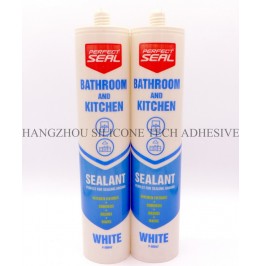
Most bathroom sealants are formulated with a blend of polymers, solvents, and additives. Common base materials include silicone, polyurethane, and acrylic resins, which provide flexibility and adhesion. However, these formulations often contain volatile organic compounds (VOCs) like acetone, toluene, and xylene, which evaporate during curing and contribute to indoor air pollution.
Studies indicate that prolonged exposure to VOCs can irritate the respiratory system, causing symptoms such as coughing, wheezing, and shortness of breath. Certain additives, like plasticizers and biocides, may also pose risks. For instance, phthalates—commonly used as plasticizers—have been linked to endocrine disruption and developmental issues in children. Similarly, biocides added to prevent mold growth can trigger allergic reactions or asthma attacks in sensitive individuals.
Bathroom sealants are prone to mold infestation due to their location in high-humidity environments. Mold thrives in the tiny crevices of sealant surfaces, feeding on organic matter like soap scum and skin cells. While sealants themselves may not be inherently toxic, mold produces mycotoxins—toxic compounds that can cause severe health problems when inhaled or ingested.
Exposure to mold spores and mycotoxins has been associated with respiratory infections, chronic sinusitis, and even neurological symptoms like headaches and memory loss. Individuals with compromised immune systems, such as those undergoing cancer treatment, are particularly vulnerable. A 2026 study found that 56% of bathroom sealants tested positive for heavy mold contamination, highlighting the prevalence of this issue.
The safety of bathroom sealants depends on several factors, including material quality, application techniques, and maintenance practices.
High-quality sealants formulated with low-VOC or water-based ingredients are less likely to emit harmful gases during curing. For example, 100% silicone sealants are known for their durability and resistance to mold, making them a safer choice for bathrooms. Conversely, cheaper alternatives containing high levels of solvents or plasticizers may pose greater health risks.
Proper application is critical to minimizing health hazards. Sealants should be applied in well-ventilated areas to reduce inhalation of fumes. Workers should wear protective gear, such as gloves and masks, to avoid skin contact and respiratory exposure. Additionally, allowing sufficient curing time—typically 24–72 hours—before using the bathroom ensures that harmful chemicals have fully evaporated.
Regular cleaning and maintenance can prevent mold growth and extend the lifespan of bathroom sealants. Wiping down sealant surfaces with a mild disinfectant weekly helps remove soap scum and other organic matter that mold feeds on. For stubborn stains, a solution of equal parts vinegar and water can be effective without introducing harsh chemicals.
In cases where mold has already developed, aggressive cleaning methods may be necessary. However, scrubbing moldy sealants can release spores into the air, exacerbating health risks. If mold growth is extensive, it may be safer to remove and replace the sealant entirely.
To minimize health risks associated with bathroom sealants, homeowners can take several proactive steps:
By understanding the chemical composition of bathroom sealants and adopting preventive measures, homeowners can create safer, healthier bathroom environments. Prioritizing material quality, proper application, and regular maintenance is key to minimizing long-term health risks associated with these essential building materials.
Copyright 2019 by Hangzhou Silicone Tech Adhesive Co., Ltd. All rights reserved.
Bathroom Sealant | Acrylic Sealant | Dow Corning 795 | Aquarium Sealant | Dow Corning 732 | Clear Silicone Sealant | Polysulfide Sealant | Glazing Sealant | Mirror Sealant | IG Sealant
Powered by Onepound


