E-mail:
sales@silicone-sealant-china.com

Maintenance and Care Cycles for Sealants After Application
Sealants are widely used in construction, automotive, and industrial applications to create airtight or watertight barriers. However, their longevity and performance depend heavily on post-application maintenance. Below is a detailed guide to understanding and implementing proper care cycles for different types of sealants.
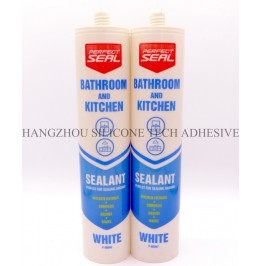
Before establishing a maintenance schedule, it’s essential to recognize the distinct characteristics of sealants. For instance, silicone-based sealants are known for their flexibility and resistance to UV radiation, making them ideal for outdoor use. However, they can degrade when exposed to certain chemicals or abrasive cleaning agents. Polyurethane sealants, on the other hand, offer excellent adhesion and durability but may become brittle over time if not properly maintained.
Acrylic sealants, commonly used in interior applications, are less resistant to moisture and temperature fluctuations. Understanding these vulnerabilities helps tailor maintenance efforts to address specific weaknesses. For example, a silicone sealant on a glass facade may require less frequent inspection than a polyurethane sealant in a high-traffic industrial floor.
The first 24 to 72 hours after application are pivotal for sealant performance. During this period, the material undergoes chemical curing, which determines its final hardness, elasticity, and adhesion strength. Disturbing the sealant during curing—such as by exposing it to moisture, extreme temperatures, or physical pressure—can compromise its integrity.
For outdoor applications, shielding the sealant from rain or direct sunlight during curing is advisable. In industrial settings, avoiding foot traffic or equipment placement near freshly applied sealants prevents indentation or displacement. If the sealant is part of a structural assembly, such as in aircraft fuel tanks, engineers often specify a minimum curing time before subjecting the component to operational loads.
Within the first month, sealants remain relatively soft and susceptible to surface damage. Regular inspections during this period help identify early signs of failure, such as cracking, bubbling, or discoloration. These issues often stem from improper application, environmental stress, or chemical exposure.
For example, in automotive manufacturing, sealants used around windshields or door frames are inspected daily for the first week to ensure no gaps form due to vibrations or thermal expansion. In construction, contractors may apply a temporary protective coating over freshly sealed joints to shield them from construction debris or accidental impacts.
Cleaning during this phase should be gentle. Using a soft-bristled brush or a damp cloth to remove dust is preferable to high-pressure washing, which could erode the sealant’s surface. If chemical spills occur, immediate neutralization with a compatible solvent—as recommended by the sealant manufacturer—prevents permanent staining or degradation.
After the initial 30 days, sealants enter a stable phase where routine maintenance focuses on preserving their functional properties. The frequency of inspections and cleaning depends on the application environment.
High-Exposure Areas
Sealants in outdoor or high-traffic zones, such as building facades, road joints, or automotive weatherstripping, require quarterly inspections. Look for signs of wear, such as thinning, loss of elasticity, or adhesion failure. In coastal regions, salt spray can accelerate corrosion of metal substrates beneath sealants, necessitating more frequent checks.
Controlled Environments
Indoor sealants, like those used in bathrooms or kitchens, may only need biannual reviews. However, exposure to cleaning agents or steam can still cause gradual breakdown. For instance, frequent use of ammonia-based cleaners on silicone caulk around sinks can lead to discoloration and reduced flexibility.
Specialized Applications
In aerospace or marine industries, sealants face extreme conditions, including rapid temperature changes, vibration, and chemical exposure. Maintenance cycles here are often tied to operational schedules. For example, aircraft sealants are inspected during every major overhaul, while shipboard sealants may be reapplied annually as part of dry-docking procedures.
Sealant care isn’t static; it must evolve with seasonal or operational shifts. In winter, freeze-thaw cycles can cause sealants to crack if moisture infiltrates joints. Applying a water-repellent coating or increasing inspection frequency during cold months mitigates this risk. Conversely, in hot, arid climates, UV exposure may necessitate the use of UV-resistant sealants or the application of protective films.
Industrial facilities that alter production processes—such as switching from water-based to solvent-based chemicals—must reassess sealant compatibility. A sealant that performs well in one environment may fail catastrophically in another, underscoring the need for proactive maintenance planning.
By aligning maintenance cycles with sealant type, application environment, and operational demands, stakeholders can maximize performance and reduce replacement costs. Regular inspections, gentle cleaning, and timely repairs form the cornerstone of effective sealant care. Whether safeguarding a skyscraper’s curtain wall or ensuring an aircraft’s fuel system remains leak-proof, a well-maintained sealant is a silent guardian of structural integrity and safety.
Copyright 2019 by Hangzhou Silicone Tech Adhesive Co., Ltd. All rights reserved.
Bathroom Sealant | Acrylic Sealant | Dow Corning 795 | Aquarium Sealant | Dow Corning 732 | Clear Silicone Sealant | Polysulfide Sealant | Glazing Sealant | Mirror Sealant | IG Sealant
Powered by Onepound


