E-mail:
sales@silicone-sealant-china.com

Sealants play a critical role in maintaining the integrity of waterproofing systems across various construction applications, from roofing and facades to plumbing and industrial installations. When localized damage occurs—whether due to aging, environmental stress, improper installation, or physical impact—the consequences can extend far beyond the immediate area of failure. Understanding these impacts requires a closer look at how sealants function within broader waterproofing assemblies and the cascading effects of even minor breaches.
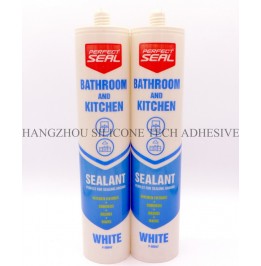
Sealants are often the first line of defense against water infiltration in joints, gaps, and transitions between building components. When a section of sealant deteriorates or detaches, it creates a pathway for moisture to penetrate the substrate beneath. For example, in exterior wall systems, a failed sealant joint at a window perimeter can allow rainwater to seep into the wall cavity, where it may become trapped and lead to corrosion of metal framing, rot in wooden elements, or degradation of insulation materials. Over time, this moisture accumulation can weaken structural connections, reduce thermal efficiency, and create conditions conducive to mold growth—all of which compromise the building’s long-term durability.
In roofing applications, localized sealant failure at penetrations (such as vents, skylights, or HVAC units) is a common source of leaks. Even a small gap in the sealant around a roof penetration can channel water into the roofing system, where it may travel horizontally along decking or insulation before manifesting as an interior leak. This “hidden” water migration often goes undetected until significant damage has occurred, highlighting the importance of proactive sealant maintenance.
Sealant damage doesn’t just create entry points for water; it can also expose adjacent materials to environmental factors that hasten their deterioration. For instance, in concrete structures, a compromised sealant joint may allow chlorides from deicing salts or seawater to penetrate the concrete cover, reaching reinforcing steel and triggering corrosion. Similarly, in metal cladding systems, a failed sealant at panel seams can expose the underlying metal to moisture and oxygen, leading to rust formation and eventual failure of the cladding panels.
The interconnected nature of building envelopes means that localized sealant issues can have systemic effects. For example, a small leak in a curtain wall sealant joint might initially cause staining on interior finishes, but if left unaddressed, it could lead to freeze-thaw damage in masonry backups or spalling of concrete elements—problems that require far more extensive repairs than the original sealant failure.
Sealants also contribute to a building’s energy performance by preventing air leakage through joints and gaps. When sealants deteriorate, they can no longer effectively seal these openings, allowing conditioned air to escape and unconditioned air to enter. This air infiltration increases heating and cooling loads, driving up energy consumption and utility costs. Moreover, drafts caused by failed sealants can create discomfort for occupants, particularly in areas with large temperature differentials between indoors and outdoors.
In green building design, where airtightness is a key performance metric, even minor sealant failures can undermine efforts to achieve energy efficiency goals. For example, a study of LEED-certified buildings found that air leakage through envelope components—often due to inadequate sealant detailing—was a significant contributor to energy loss, negating some of the benefits of high-performance glazing and insulation.
Beyond structural and performance impacts, localized sealant damage can also affect a building’s appearance and functionality. Discolored, cracked, or peeling sealants detract from the visual appeal of facades, roofs, and interior finishes, potentially lowering property values or requiring costly cosmetic repairs. In high-traffic areas, such as parking garages or industrial floors, failed sealants can create tripping hazards or allow water to damage underlying concrete, leading to spalling or pothole formation.
In waterproofing systems for below-grade structures (e.g., basements or tunnels), sealant failures at construction joints or around service penetrations can compromise the entire waterproofing membrane, allowing groundwater to infiltrate and cause flooding or humidity issues. This not only damages stored goods or equipment but also creates an environment conducive to mold growth, posing health risks to occupants.
Perhaps the most insidious aspect of localized sealant damage is its tendency to escalate if left unaddressed. A small gap in a sealant joint may seem insignificant at first, but over time, exposure to UV radiation, temperature fluctuations, and mechanical stress can cause the damage to spread. As the sealant loses its elasticity and adhesion, adjacent areas may begin to fail as well, creating a chain reaction that ultimately compromises the entire waterproofing system.
Regular inspection and maintenance are essential to preventing this domino effect. By identifying and repairing sealant issues early, building owners and managers can avoid costly repairs, extend the service life of waterproofing assemblies, and protect the structural integrity of their properties.
Localized sealant damage is far more than a cosmetic issue; it represents a potential threat to the entire waterproofing system and, by extension, the building itself. From structural degradation and material failure to energy inefficiency and aesthetic decline, the consequences of neglected sealant issues can be severe and far-reaching. By prioritizing proper sealant selection, installation, and maintenance, stakeholders can ensure that these critical components continue to perform their protective role effectively, safeguarding buildings against water damage for years to come.
Copyright 2019 by Hangzhou Silicone Tech Adhesive Co., Ltd. All rights reserved.
Bathroom Sealant | Acrylic Sealant | Dow Corning 795 | Aquarium Sealant | Dow Corning 732 | Clear Silicone Sealant | Polysulfide Sealant | Glazing Sealant | Mirror Sealant | IG Sealant
Powered by Onepound


