E-mail:
sales@silicone-sealant-china.com

Bathroom sealants are essential for preventing water leaks and maintaining a watertight environment around sinks, showers, tubs, and other fixtures. However, even in indoor bathrooms, UV rays from windows or skylights can gradually degrade sealant materials over time, leading to cracking, discoloration, and loss of adhesion. To ensure long-lasting performance, it’s crucial to implement protective measures against UV exposure after applying bathroom sealant.
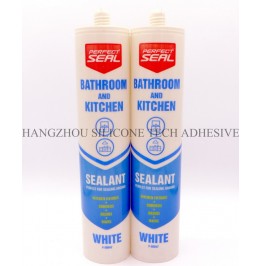
UV radiation breaks down the chemical bonds in sealant polymers, causing them to lose elasticity and become brittle. This process, known as photodegradation, is accelerated by factors like high humidity, temperature fluctuations, and exposure to cleaning chemicals. In bathrooms, where moisture levels are consistently high, UV-damaged sealant is more prone to cracking, allowing water to penetrate and cause mold growth or structural damage.
Even if your bathroom doesn’t receive direct sunlight, indirect UV exposure through windows or glass doors can still impact sealant longevity. Over time, this can lead to unsightly discoloration and reduced effectiveness, necessitating premature replacement.
Certain areas in the bathroom are more susceptible to UV damage than others. For example, sealant around shower enclosures, near windows, or along the edges of skylights is likely to experience higher levels of UV exposure. Additionally, sealant used in outdoor-adjacent bathrooms or those with large glass surfaces may require extra protection.
When selecting a sealant for bathroom applications, opt for products specifically designed to resist UV degradation. These formulations contain additives that absorb or reflect UV radiation, slowing down the photodegradation process. While not all sealants are created equal, choosing a product with built-in UV resistance can significantly extend its service life.
For example, silicone-based sealants tend to perform better under UV exposure compared to acrylic or latex alternatives. However, even within silicone sealants, there are variations in UV resistance depending on the formulation and quality. Always check the manufacturer’s specifications to ensure the product is suitable for UV-prone environments.
Another effective way to shield bathroom sealant from UV damage is by applying a clear, UV-resistant coating after the sealant has cured. These coatings act as a barrier, preventing UV rays from reaching the sealant surface while maintaining its flexibility and adhesion.
When choosing a protective coating, look for products that are waterproof, non-yellowing, and compatible with the type of sealant used. Some coatings are specifically formulated for use in high-moisture areas like bathrooms and can be applied with a brush or spray gun for even coverage. Ensure the coating is fully cured before exposing the area to water or heavy use.
If your bathroom receives significant natural light through windows or skylights, consider installing UV-blocking window films or shades. These solutions can filter out up to 99% of harmful UV rays while still allowing visible light to enter the space.
Window films are available in various tints and levels of opacity, allowing you to customize the amount of light and privacy in your bathroom. Some films are also designed to reduce glare and heat gain, making them a practical addition to energy-efficient bathroom designs. Alternatively, shades or blinds can be adjusted throughout the day to control UV exposure based on the time of day and sunlight intensity.
Even with UV-resistant sealants and protective coatings, regular maintenance is essential to ensure long-term performance. Periodically inspect the sealant for signs of cracking, peeling, or discoloration, especially in high-UV areas. If any damage is detected, repair or replace the affected sections promptly to prevent water infiltration.
When cleaning bathroom surfaces, avoid using abrasive cleaners or tools that could scratch the sealant or protective coating. Instead, use a mild, non-abrasive cleaner and a soft cloth or sponge to gently remove dirt and grime. Rinse thoroughly with water and dry the area completely to prevent moisture buildup.
Over time, the protective coating over your bathroom sealant may wear down due to cleaning, abrasion, or environmental factors. To maintain optimal UV protection, reapply the coating according to the manufacturer’s recommended schedule or whenever signs of degradation are visible.
Before reapplying the coating, ensure the sealant surface is clean, dry, and free of any loose debris or old coating residue. Follow the application instructions carefully to achieve a smooth, even finish that provides maximum UV resistance.
While natural sunlight is the primary source of UV radiation in bathrooms, certain types of indoor lighting can also emit low levels of UV rays. For example, halogen and incandescent bulbs produce more UV radiation compared to LED or fluorescent lights. If you’re concerned about UV exposure from indoor lighting, consider switching to low-UV alternatives or installing UV filters on existing fixtures.
Additionally, avoid placing reflective surfaces like mirrors or metallic fixtures near windows or skylights, as they can amplify UV exposure by reflecting sunlight onto the sealant. Positioning these elements strategically can help minimize UV-related damage over time.
Protecting bathroom sealant from UV damage is a proactive approach to ensuring its durability and effectiveness in preventing water leaks. By selecting UV-resistant sealant formulations, applying protective coatings, and reducing UV exposure through window treatments or lighting adjustments, you can significantly extend the lifespan of your bathroom sealant. Regular maintenance and timely repairs further reinforce these protective measures, keeping your bathroom watertight and mold-free for years to come.
Copyright 2019 by Hangzhou Silicone Tech Adhesive Co., Ltd. All rights reserved.
Bathroom Sealant | Acrylic Sealant | Dow Corning 795 | Aquarium Sealant | Dow Corning 732 | Clear Silicone Sealant | Polysulfide Sealant | Glazing Sealant | Mirror Sealant | IG Sealant
Powered by Onepound


