E-mail:
sales@silicone-sealant-china.com

Sealants are widely used in various settings, from residential bathrooms and kitchens to commercial and industrial facilities, to create watertight or airtight seals around joints, fixtures, and surfaces. After applying sealant, ensuring its compatibility with chemical disinfectants is crucial, especially in environments where regular cleaning and sanitization are necessary to maintain hygiene and prevent the spread of pathogens. Understanding how different disinfectants interact with sealant materials can help avoid damage, preserve functionality, and extend the lifespan of the seal.
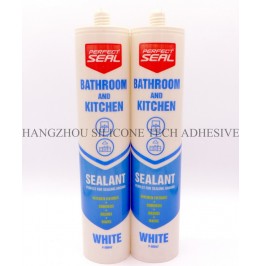
The compatibility of sealant with chemical disinfectants depends on several factors, including the type of sealant material, the chemical composition of the disinfectant, and the application method. Each of these elements plays a role in determining whether the sealant will remain intact or degrade when exposed to cleaning agents.
Different sealant materials exhibit varying levels of resistance to chemical disinfectants. For example, silicone-based sealants are generally more resistant to a wide range of chemicals compared to acrylic or latex-based alternatives. This is because silicone has a stable molecular structure that resists breakdown when exposed to harsh substances. However, even within silicone sealants, there are differences in chemical resistance based on the formulation and curing process.
Polyurethane sealants, another common option, offer good flexibility and adhesion but may be more susceptible to certain chemicals, particularly those with high solvent content. Epoxy sealants, known for their durability and strength, can also be affected by aggressive disinfectants if not properly formulated for chemical exposure.
The chemical makeup of disinfectants varies widely, with some containing harsh solvents, acids, or bases that can react with sealant materials. Common active ingredients in disinfectants include chlorine compounds (such as sodium hypochlorite), alcohols (like ethanol or isopropyl alcohol), quaternary ammonium compounds (QUATs), hydrogen peroxide, and phenolic compounds.
Chlorine-based disinfectants, for instance, are highly effective at killing bacteria and viruses but can be corrosive to certain sealant materials over time. Alcohol-based solutions are less aggressive but may still cause discoloration or swelling in some sealants if used frequently or in high concentrations. QUATs are generally considered milder but can still interact with specific sealant formulations, leading to adhesion loss or surface damage.
How and how often a disinfectant is applied also impacts its compatibility with sealant. Spraying or wiping disinfectants directly onto sealant surfaces increases the likelihood of chemical interaction compared to using them in a well-ventilated area where the sealant is not in direct contact. Frequent or prolonged exposure to disinfectants, especially those with high concentrations of active ingredients, can accelerate degradation and reduce the sealant’s effectiveness.
When chemical disinfectants are incompatible with sealant materials, several problems can occur, ranging from minor aesthetic changes to severe functional failures.
One of the most visible signs of incompatibility is discoloration or staining of the sealant surface. Certain chemicals can react with the pigments or additives in the sealant, causing it to turn yellow, brown, or develop other unsightly marks. This not only affects the appearance of the sealed area but may also indicate underlying chemical damage that could compromise the seal over time.
For example, prolonged exposure to chlorine-based disinfectants can cause silicone sealants to yellow, especially in areas with high humidity or temperature fluctuations. Similarly, phenolic compounds in some cleaning agents may leave stubborn stains on acrylic sealants that are difficult to remove without further damaging the material.
Some disinfectants contain solvents or other chemicals that can cause sealant materials to swell or soften. This occurs when the chemical penetrates the sealant’s surface, disrupting its molecular structure and causing it to expand or lose its rigid form. Swollen or softened sealants are more prone to tearing, cracking, or losing adhesion to the substrate, leading to leaks or gaps that allow moisture or contaminants to enter.
Alcohol-based disinfectants, for instance, can cause certain types of sealants to swell if applied in high concentrations or left in contact with the surface for extended periods. Similarly, solvent-based cleaners may soften polyurethane sealants, making them more susceptible to physical damage during cleaning or normal use.
The most critical issue arising from incompatible disinfectants is adhesion loss, which can lead to complete seal failure. When chemicals react with the adhesive properties of the sealant, they can weaken its bond to the substrate, causing it to peel away or detach entirely. This is particularly problematic in areas where a watertight or airtight seal is essential, such as around sinks, showers, or windows.
Chlorine-based disinfectants, for example, can degrade the adhesive layer in some sealants over time, especially if the sealant was not formulated to resist such chemicals. Similarly, strong acids or bases in cleaning agents can etch or corrode the substrate surface, further reducing the sealant’s ability to adhere properly.
To avoid compatibility issues between sealant and chemical disinfectants, follow these best practices during and after sealant application.
When choosing a sealant for an area that will be regularly disinfected, prioritize products with documented resistance to common cleaning agents. Look for sealants that have been tested against a range of chemicals, including those you plan to use in your facility. Manufacturers often provide compatibility charts or guidelines indicating which disinfectants are safe to use with their products.
While avoiding specific brand recommendations, focus on selecting sealants made from materials known for their chemical resistance, such as high-quality silicone or specially formulated polyurethanes. Ensure the sealant is fully cured before exposing it to disinfectants, as uncured or partially cured materials are more vulnerable to chemical damage.
Before applying a new disinfectant to a large or critical sealed area, conduct a compatibility test on a small, inconspicuous section of the sealant. Apply the disinfectant according to the manufacturer’s instructions and leave it in contact with the sealant for the recommended dwell time. Afterward, inspect the sealant for any signs of discoloration, swelling, softening, or adhesion loss.
If no adverse effects are observed after 24-48 hours, it is likely safe to use the disinfectant on the rest of the sealed area. However, continue to monitor the sealant periodically, as some chemical reactions may occur slowly over time.
To minimize the risk of chemical damage, always follow the recommended application guidelines for your disinfectants. This includes using the correct concentration, dwell time, and application method. Avoid over-spraying or allowing disinfectants to pool on sealant surfaces, as this increases the likelihood of chemical penetration and interaction.
When cleaning around sealed areas, use soft cloths or sponges to avoid abrading the sealant surface. Rinse the area thoroughly with water after disinfecting to remove any residual chemicals, and dry it completely to prevent moisture buildup.
Even with compatible sealants and proper disinfectant use, regular inspection and maintenance are essential to ensure long-term performance. Periodically check sealed joints and fixtures for signs of wear, damage, or chemical interaction. If any issues are detected, address them promptly by cleaning, repairing, or replacing the affected sealant.
In high-traffic or high-risk areas, consider scheduling more frequent inspections to catch problems early before they escalate into costly repairs or health hazards. Additionally, keep records of the disinfectants used and any maintenance activities performed to track compatibility over time and make informed decisions about future cleaning protocols.
By understanding the factors influencing chemical disinfectant compatibility, recognizing common issues, and following best practices, you can ensure that your sealants remain effective and durable even in environments where regular disinfection is necessary. This proactive approach helps protect your investment, maintain hygiene standards, and prevent costly damage caused by incompatible cleaning agents.
Copyright 2019 by Hangzhou Silicone Tech Adhesive Co., Ltd. All rights reserved.
Bathroom Sealant | Acrylic Sealant | Dow Corning 795 | Aquarium Sealant | Dow Corning 732 | Clear Silicone Sealant | Polysulfide Sealant | Glazing Sealant | Mirror Sealant | IG Sealant
Powered by Onepound


