E-mail:
sales@silicone-sealant-china.com

When a bathroom isn't in regular use, the sealants around sinks, showers, and bathtubs can still face potential damage if left unprotected. These sealants play a crucial role in preventing water leakage, mold growth, and structural damage. However, without proper long-term care, they can deteriorate, leading to costly repairs and health hazards. Here are some effective strategies to safeguard unused bathroom sealants over extended periods.
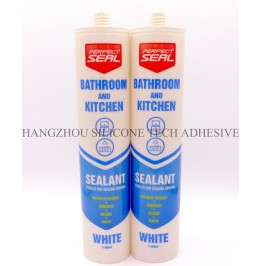
The environment within an unused bathroom can significantly impact the condition of sealants. Fluctuations in temperature and humidity are primary culprits that accelerate sealant degradation.
Extreme temperatures, both hot and cold, can cause sealants to expand and contract repeatedly. Over time, this thermal cycling weakens the material, leading to cracks and gaps. In an unused bathroom, it's essential to maintain a stable temperature. If possible, set the thermostat to a moderate range, typically between 60-75°F (15-24°C). This helps prevent excessive expansion and contraction, preserving the integrity of the sealant.
In colder climates, especially during winter months when the bathroom may not be heated, consider using insulation around pipes and fixtures to minimize temperature extremes. Insulating materials can help buffer the sealant from sudden drops in temperature, reducing the risk of cracking.
High humidity levels promote mold and mildew growth, which can deteriorate sealants over time. In an unused bathroom, moisture can accumulate from various sources, such as residual water in pipes or condensation on surfaces. To control humidity, ensure proper ventilation. If the bathroom has a window, keep it slightly open to allow air circulation. Alternatively, use a dehumidifier to maintain relative humidity below 60%.
Regularly check for any signs of moisture buildup, such as water droplets on walls or ceilings. If detected, address the source immediately, whether it's a leaky pipe or inadequate ventilation. By keeping humidity in check, you can significantly extend the lifespan of your bathroom sealants.
Even in an unused bathroom, physical damage to sealants can occur due to accidental impacts or exposure to harsh elements. Implementing physical protection measures can help mitigate these risks.
One effective way to protect sealants is by covering fixtures and sealed areas. For example, place a shower cap or plastic cover over the showerhead and faucet handles to prevent dust and debris from accumulating on the sealant around these fixtures. Similarly, use a bathtub mat or a large piece of plastic sheeting to cover the bathtub surface, shielding the sealant along the edges from scratches and impacts.
When covering fixtures, ensure that the covers are secure but not too tight, as excessive pressure can damage the sealant. Additionally, avoid using sharp objects or abrasive materials when placing or removing covers to prevent accidental gouging or scratching of the sealant surface.
Prolonged exposure to direct sunlight can cause sealants to fade, dry out, and become brittle. If the unused bathroom has windows that allow sunlight to stream in, consider using curtains, blinds, or window film to block or filter the UV rays. These protective measures help maintain the sealant's flexibility and color, preventing premature aging and cracking.
When choosing window treatments, opt for materials that are easy to clean and maintain, as dust and dirt can accumulate over time and potentially transfer to the sealant surface. Regularly clean the window treatments to ensure they continue to provide effective protection against sunlight.
Even in an unused bathroom, regular inspection and maintenance are essential to identify and address potential issues before they escalate into major problems.
Schedule periodic visual inspections of the bathroom sealants, focusing on areas around sinks, showers, bathtubs, and any other fixtures with sealed joints. Look for signs of cracking, peeling, discoloration, or mold growth. These indicators suggest that the sealant may be deteriorating and requires attention.
During the inspection, pay close attention to corners and edges, as these areas are more prone to stress and damage. Use a flashlight to illuminate hard-to-see spots, ensuring a thorough examination of the entire sealed surface. If any issues are detected, mark them for further investigation or repair.
If the inspection reveals minor dirt, dust, or mold on the sealant surface, clean it using a mild, non-abrasive cleaner and a soft cloth or sponge. Avoid using harsh chemicals or abrasive scrubbers, as these can damage the sealant. After cleaning, allow the sealant to dry completely before applying any touch-up products.
For small cracks or gaps in the sealant, consider using a sealant repair kit or a compatible caulk to fill in the damaged areas. Follow the manufacturer's instructions carefully when applying the repair material, ensuring a smooth and even finish. Allow the repair to cure fully before exposing it to water or moisture.
By implementing these long-term protective measures, you can ensure that the bathroom sealants remain in good condition even during extended periods of non-use. This proactive approach not only extends the lifespan of the sealants but also helps prevent costly water damage and health issues associated with mold and mildew growth.
Copyright 2019 by Hangzhou Silicone Tech Adhesive Co., Ltd. All rights reserved.
Bathroom Sealant | Acrylic Sealant | Dow Corning 795 | Aquarium Sealant | Dow Corning 732 | Clear Silicone Sealant | Polysulfide Sealant | Glazing Sealant | Mirror Sealant | IG Sealant
Powered by Onepound


