E-mail:
sales@silicone-sealant-china.com

Bathroom sealants are essential for preventing water leaks and maintaining the structural integrity of bathrooms. However, their longevity can be significantly affected when they come into contact with hot water. Understanding the factors that influence this aging process is crucial for homeowners and property managers to ensure proper maintenance and timely replacements.
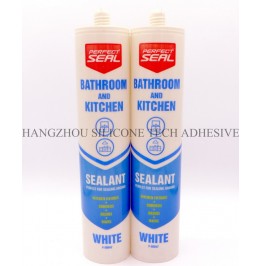
The chemical makeup of bathroom sealants plays a pivotal role in determining how they react to hot water. Different types of sealants, such as silicone-based and acrylic-based ones, have distinct chemical properties that affect their heat resistance.
Silicone-based sealants are known for their excellent flexibility and water resistance. They contain silicone polymers, which have a high degree of thermal stability. When exposed to hot water, the silicone molecules can withstand relatively high temperatures without undergoing significant chemical changes. However, prolonged and repeated exposure to extremely hot water, especially above the recommended temperature limits specified by the manufacturer, can cause the silicone to gradually lose its elasticity. Over time, this can lead to cracking and shrinkage, compromising the seal's effectiveness.
The cross-linking structure of silicone polymers also contributes to its heat resistance. But excessive heat can disrupt these cross-links, weakening the overall structure of the sealant. Additionally, the presence of impurities or additives in the silicone formulation can influence its heat tolerance, with some formulations being more prone to degradation under hot water conditions.
Acrylic-based sealants, on the other hand, are generally less heat-resistant compared to silicone-based ones. They are composed of acrylic polymers, which have a lower melting point and are more susceptible to thermal degradation. When hot water comes into contact with acrylic sealants, the heat can cause the polymers to soften and deform. This can result in the sealant losing its shape and adhesion to the surrounding surfaces, leading to gaps and potential water leakage.
Moreover, the water absorption properties of acrylic sealants can exacerbate the problem when exposed to hot water. As the sealant absorbs water, especially hot water which can increase the rate of absorption, it can swell and then shrink as it dries, further stressing the material and accelerating the aging process.
The frequency and duration of hot water exposure are critical factors that influence the aging speed of bathroom sealants. The more often and the longer the sealant is subjected to hot water, the faster it will deteriorate.
In bathrooms that are used frequently, such as those in family homes or commercial establishments like hotels and gyms, the sealants around showers, bathtubs, and sinks are constantly exposed to hot water. The repeated heating and cooling cycles that occur during each use can cause the sealant to expand and contract repeatedly. Over time, this thermal cycling weakens the material, leading to micro-cracks and eventually larger fissures. The constant presence of hot water also increases the likelihood of chemical reactions that can break down the sealant's structure, reducing its lifespan significantly.
Even in bathrooms with less frequent use, if the hot water is left running for extended periods, it can have a detrimental effect on the sealants. For example, leaving a bathtub filled with hot water for a long time allows the heat to penetrate deeply into the sealant, causing it to soften and lose its shape. Similarly, running a hot shower for an extended duration can subject the surrounding sealants to continuous heat stress, accelerating the aging process. The longer the exposure, the more time the heat has to break down the chemical bonds within the sealant, leading to premature failure.
In addition to the direct effects of hot water, environmental factors in the bathroom can also influence how quickly the sealants age when exposed to heat.
High humidity levels in the bathroom can exacerbate the aging of sealants when combined with hot water exposure. Moisture in the air can penetrate the sealant, especially if it has already been weakened by heat. This can lead to mold and mildew growth within the sealant, which further breaks down the material and reduces its effectiveness. The presence of moisture also increases the likelihood of chemical reactions between the sealant and any impurities in the water or air, accelerating the degradation process.
Poor ventilation in the bathroom can contribute to the buildup of heat and humidity, creating a harsh environment for the sealants. Without proper air circulation, the heat from the hot water lingers in the bathroom, prolonging the exposure of the sealants to high temperatures. Additionally, the lack of ventilation prevents the moisture from evaporating quickly, increasing the risk of mold growth and chemical degradation. On the other hand, good ventilation helps to dissipate the heat and reduce humidity levels, thereby slowing down the aging process of the sealants when exposed to hot water.
By understanding these factors, homeowners and property managers can take proactive measures to protect their bathroom sealants from premature aging due to hot water exposure. This may include choosing the right type of sealant based on the expected heat exposure, implementing proper usage habits to minimize thermal stress, and ensuring adequate ventilation in the bathroom.
Copyright 2019 by Hangzhou Silicone Tech Adhesive Co., Ltd. All rights reserved.
Bathroom Sealant | Acrylic Sealant | Dow Corning 795 | Aquarium Sealant | Dow Corning 732 | Clear Silicone Sealant | Polysulfide Sealant | Glazing Sealant | Mirror Sealant | IG Sealant
Powered by Onepound


