E-mail:
sales@silicone-sealant-china.com

After applying sealant in various settings, from bathrooms to construction joints, dealing with surface contamination is a common challenge. However, certain actions can exacerbate the problem or damage the sealant. Here are some crucial things to avoid when addressing surface contamination post - sealant application.
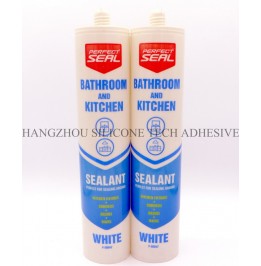
When faced with surface contamination on newly - applied sealant, the instinct might be to reach for a strong cleaner to quickly remove the dirt or stain. But this can be a grave mistake.
Harsh chemical cleaners often contain ingredients like acids, alkalis, or solvents that can react negatively with the sealant. For instance, acidic cleaners can corrode certain types of sealants, especially those that are alkaline - based in their composition. This chemical reaction can break down the molecular structure of the sealant, leading to a loss of adhesion, softening, or even complete disintegration in severe cases.
Alkali - based cleaners, on the other hand, can also have adverse effects. They may cause the sealant to swell or change its color, ruining its aesthetic appearance. Solvent - based cleaners are equally dangerous as they can dissolve the sealant material, especially if the sealant is not solvent - resistant. This can create holes or weak spots in the sealant, compromising its ability to perform its intended function, such as waterproofing or air - sealing.
Even if the harsh cleaner doesn't immediately damage the sealant, it can leave behind a residue. This residue can attract more dirt and grime over time, making the surface look dirty again quickly. Moreover, the residue can interfere with the proper curing of the sealant if it is still in the process of setting. It can create a barrier between the sealant and the surface it is applied to, preventing a strong bond from forming and reducing the overall effectiveness of the seal.
In an attempt to remove stubborn contamination, one might be tempted to apply a lot of pressure while cleaning the sealant surface. But this approach can have serious consequences.
Excessive pressure can cause physical damage to the sealant. It can gouge or scratch the surface of the sealant, especially if it is still relatively soft or has a delicate finish. These scratches not only mar the appearance of the sealant but also create pathways for water, air, or other substances to penetrate, undermining the seal's integrity.
In the case of flexible sealants, applying too much pressure can deform them permanently. This deformation can disrupt the seal's ability to expand and contract as required by temperature changes or building movements, leading to cracks and leaks over time.
High - pressure cleaning can also displace the sealant from its original position. This is particularly true for sealants that are applied in narrow joints or along edges. The force of the pressure can push the sealant out of the joint, leaving gaps that compromise the seal. Once displaced, it can be difficult to re - position the sealant accurately, and the overall quality of the seal may be significantly reduced.
One of the most common but often overlooked mistakes is not allowing the sealant to cure properly before attempting to clean or address surface contamination.
Sealants need a specific amount of time to cure and reach their full strength and performance capabilities. If cleaning or other activities are carried out before the curing process is complete, it can interfere with the chemical reactions that are taking place within the sealant. For example, moisture - curing sealants rely on the presence of moisture in the air to cure. If a cleaning agent is applied too early, it may introduce substances that block the absorption of moisture, slowing down or preventing the curing process altogether.
Other types of sealants may cure through oxidation or polymerization reactions. Premature cleaning can disrupt these reactions by physically moving the sealant or introducing chemicals that react with the curing agents. As a result, the sealant may remain soft and tacky, never achieving its intended hardness and durability.
A sealant that has not cured properly is more vulnerable to damage from cleaning and contamination removal. It is more likely to be scratched, gouged, or displaced when pressure is applied during cleaning. Additionally, an uncured sealant may absorb cleaning agents more readily, leading to internal damage and a higher risk of long - term degradation. This can significantly shorten the lifespan of the sealant and require more frequent repairs or replacements.
Copyright 2019 by Hangzhou Silicone Tech Adhesive Co., Ltd. All rights reserved.
Bathroom Sealant | Acrylic Sealant | Dow Corning 795 | Aquarium Sealant | Dow Corning 732 | Clear Silicone Sealant | Polysulfide Sealant | Glazing Sealant | Mirror Sealant | IG Sealant
Powered by Onepound


