E-mail:
sales@silicone-sealant-china.com

Views: 352 Mar 02 , 2026
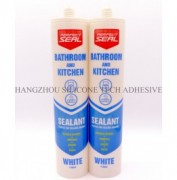
Emergency Response for Sealant in the Eyes: Immediate Steps to Minimize Harm Accidental exposure to sealants—common in construction, automotive, or household repairs—can occur when splashes, airborne particles, or improper handling lead to contact with the eyes. These substances often contain chemicals like solvents, curing agents, or silicone polymers, which may...
Views: 601 Mar 02 , 2026
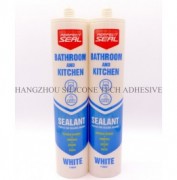
Handling Skin Exposure After Applying Bathroom Sealant: Immediate Steps and Long-Term Care Bathroom sealants, commonly used around showers, sinks, or tubs, often contain chemicals like silicone polymers, solvents, or curing agents. Accidental skin contact during or after application can cause irritation, allergic reactions, or chemical burns if not addressed promptly....
Views: 837 Mar 02 , 2026
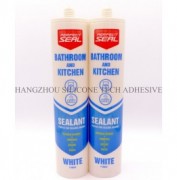
Health Risks Associated with Residual Sealants: Exposure Pathways and Symptoms Residual sealants, whether from construction, automotive, or household applications, can pose health risks if not handled properly. These risks stem from chemical components like volatile organic compounds (VOCs), solvents, and additives that remain active even after partial curing....
Views: 777 Mar 02 , 2026
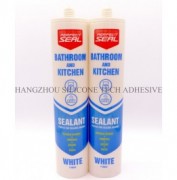
Choosing the Right Cleaning Solvents for Sealant Application Tools After completing a sealant project, cleaning tools promptly is essential to maintain their functionality and extend their lifespan. The type of solvent you use depends on the sealant’s composition, as different formulas require specific approaches to dissolve residues without damaging tools....
Views: 374 Mar 02 , 2026
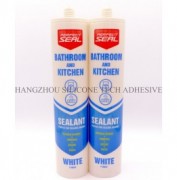
How to Eliminate Odors After Applying Bathroom Sealant Bathroom renovations often leave lingering chemical odors from freshly applied sealants, which can be unpleasant and even irritating to sensitive individuals. These smells stem from volatile organic compounds (VOCs) and other solvents that evaporate as the sealant cures. While ventilation is key, combining multiple...
Views: 305 Feb 26 , 2026
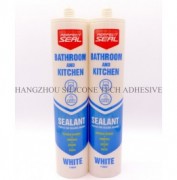
Preventing Pet Exposure to Bathroom Sealants: Safety Measures After Application Bathroom renovations often involve applying sealants around sinks, showers, or tubs to create waterproof barriers. While these materials are essential for preventing leaks and mold, they can pose health risks to curious pets that might lick or chew freshly applied or curing substances....
Views: 292 Feb 26 , 2026
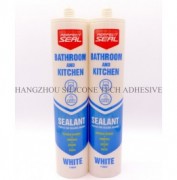
Ensuring Child Safety Around Bathroom Sealants: Understanding Safe Distances Bathroom renovations or repairs often involve applying sealants around tubs, showers, and sinks to prevent water damage. While these materials are essential for maintaining a watertight environment, parents and caregivers must consider child safety during and after application. One critical...
Views: 315 Feb 26 , 2026
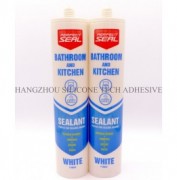
Understanding the Waiting Period Before Placing Heavy Objects on Freshly Applied Sealants Sealants play a vital role in construction, automotive, and industrial applications by creating durable, waterproof bonds between surfaces. However, one common question arises: How long should you wait before placing heavy objects on a freshly applied sealant? The answer...
Views: 357 Feb 25 , 2026
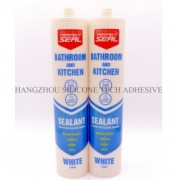
Preventing UV-Induced Aging in Bathroom Sealants: Strategies for Long-Term Durability Bathroom sealants are essential for preventing water damage, mold growth, and structural deterioration in wet environments. However, prolonged exposure to ultraviolet (UV) radiation—even in indoor bathrooms with windows or skylights—can accelerate degradation, leading to cracking,...
Views: 353 Feb 25 , 2026
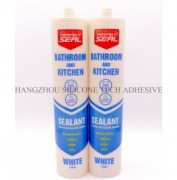
Impact of Different Water Qualities on the Durability of Sealants Sealants are widely used in construction, automotive, and industrial applications to prevent water ingress, air leakage, and chemical corrosion. However, their durability can be significantly affected by the quality of water they are exposed to. Understanding how different water types—such as...
Views: 465 Feb 25 , 2026
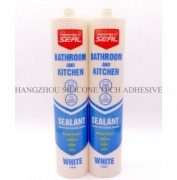
Post-Application Chemical Exposure Guidelines for Sealants: Timing and Precautions Sealants require time to cure and achieve full chemical resistance after application. Premature exposure to certain substances can compromise their adhesion, flexibility, or durability, leading to costly repairs or replacements. Understanding the recommended waiting periods and safe...
Views: 551 Feb 25 , 2026
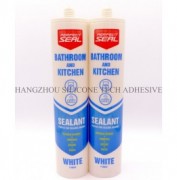
Compatibility Between Bathroom Sealants and Cleaning Agents: Key Considerations Bathroom sealants are essential for preventing water infiltration and mold growth, but their longevity depends on compatibility with cleaning agents. Certain chemicals can degrade sealants, leading to cracking, discoloration, or adhesion loss. Understanding which cleaning agents are safe to...
Copyright 2019 by Hangzhou Silicone Tech Adhesive Co., Ltd. All rights reserved.
Bathroom Sealant | Acrylic Sealant | Dow Corning 795 | Aquarium Sealant | Dow Corning 732 | Clear Silicone Sealant | Polysulfide Sealant | Glazing Sealant | Mirror Sealant | IG Sealant
Powered by Onepound


