E-mail:
sales@silicone-sealant-china.com

When scratches appear on surfaces treated with sealants, they not only affect the aesthetics but may also compromise the sealing performance. Here are several practical repair strategies to restore the integrity and appearance of sealant-coated surfaces.
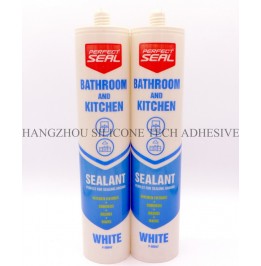
Before initiating any repair, it's crucial to eliminate all loose particles and debris from the scratched area. Use a soft-bristled brush or compressed air to gently dislodge dirt trapped within the scratch. For deeper scratches, a vacuum cleaner with a narrow nozzle attachment can effectively suck out embedded particles without widening the damage.
After removing loose debris, clean the scratched surface with a solvent-based cleaner designed for the specific sealant material. Apply the cleaner using a lint-free cloth, working in circular motions to lift stubborn grime. For oil-based sealants, a degreaser may be necessary to break down and remove oily residues. Always follow the cleaner's instructions regarding dwell time and rinsing requirements to avoid damaging the underlying substrate.
For superficial scratches that haven't penetrated the sealant layer, polishing can restore the surface's smoothness and gloss. Select a polishing compound compatible with the sealant material—abrasive pastes for harder sealants and milder creams for softer ones. Apply the compound using a soft polishing pad or microfiber cloth, working in small sections with light to moderate pressure. Regularly check your progress to avoid over-polishing, which could thin the sealant excessively.
When scratches are slightly deeper but still confined to the sealant surface, a touch-up application can fill and conceal the damage. Prepare a small batch of sealant matching the original in color and consistency. Using a fine-tipped applicator or a toothpick, carefully deposit the sealant into the scratch, ensuring it fills the void completely. Smooth the surface with a plastic spatula or your fingertip, then allow it to cure according to the manufacturer's instructions. Once cured, lightly sand the area with fine-grit sandpaper to blend it seamlessly with the surrounding sealant.
For extensive or deep scratches that compromise the sealant's integrity, partial removal and reapplication may be necessary. Use a sharp utility knife or a sealant removal tool to carefully cut away the damaged sealant, following the scratch's contour to minimize collateral damage. Clean the exposed substrate thoroughly to remove any residual sealant or contaminants. Apply a fresh bead of sealant along the repaired area, using a caulking gun for precise control. Smooth the sealant with a caulk finishing tool or a damp finger, then allow it to cure fully before subjecting it to stress or traffic.
In cases where the scratch has penetrated through the sealant and into the underlying substrate, resurfacing may be required to restore both structural integrity and aesthetic appeal. Depending on the substrate material, options include applying a thin layer of epoxy resin, polyurethane coating, or a specialized repair compound. Mix the resurfacing material according to the manufacturer's instructions, then apply it evenly over the damaged area using a trowel or a putty knife. Feather the edges of the repair to create a smooth transition between the repaired and original surfaces. Allow the resurfacing material to cure completely before sanding it flush with the surrounding area and applying a new layer of sealant.
After completing any repair, it's essential to allow sufficient time for the sealant or resurfacing material to cure and dry fully. Rushing this process can lead to subpar adhesion, reduced durability, and potential rework. Refer to the manufacturer's guidelines for recommended curing times, which may vary based on temperature, humidity, and product formulation. If possible, protect the repaired area from foot traffic, moisture, and extreme temperatures during the curing period to ensure optimal results.
Once the repair has cured, conduct a thorough inspection to assess its quality and effectiveness. Look for any remaining scratches, unevenness, or gaps in the sealant that may require additional touch-ups. Use a bright light and magnifying glass if necessary to detect subtle imperfections. If any issues are identified, repeat the appropriate repair steps until the surface meets your standards for appearance and performance.
By following these comprehensive repair methods, you can effectively address surface scratches on sealant-treated surfaces, restoring their functionality and aesthetic appeal. Whether dealing with minor blemishes or significant damage, a systematic approach to preparation, repair, and finishing will yield long-lasting, professional-quality results.
Copyright 2019 by Hangzhou Silicone Tech Adhesive Co., Ltd. All rights reserved.
Bathroom Sealant | Acrylic Sealant | Dow Corning 795 | Aquarium Sealant | Dow Corning 732 | Clear Silicone Sealant | Polysulfide Sealant | Glazing Sealant | Mirror Sealant | IG Sealant
Powered by Onepound


