Minimum Temperature Requirements for Sealant Application Environments
Sealant performance and longevity depend heavily on proper application conditions, with temperature being one of the most critical factors. Applying sealants below their recommended minimum temperature can lead to adhesion failures, incomplete curing, or structural weaknesses. Understanding these limits ensures durable, effective seals that withstand environmental stresses over time.
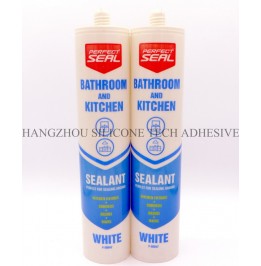
Impact of Cold Temperatures on Sealant Behavior
Curing Process Disruption
Most sealants cure through chemical reactions that slow significantly in cold environments. For example:
-
Moisture-curing sealants rely on ambient humidity to harden. Below freezing, water vapor condenses or freezes, halting the reaction.
-
Chemical-curing sealants (e.g., two-part epoxies) may experience sluggish mixing or incomplete polymerization at low temperatures, resulting in soft or brittle finishes.
Delayed or incomplete curing compromises the sealant’s ability to bond to substrates or resist movement, leading to premature failure.
Physical Property Changes
Cold temperatures alter the physical state of sealants:
-
Viscosity increases, making the material harder to apply smoothly. This can cause uneven coverage or air entrapment, weakening the seal.
-
Flexibility decreases, reducing the sealant’s capacity to accommodate joint movement without cracking. Rigid sealants applied in cold conditions are particularly vulnerable to thermal stress.
These changes increase the risk of gaps, leaks, or detachment, especially in dynamic environments like bridges or expansion joints.
Industry-Standard Minimum Temperature Guidelines
General Application Thresholds
While specific limits vary by formulation, most sealants require a minimum ambient temperature of 5°C (41°F) for reliable performance. This threshold ensures:
-
Adequate flow for proper tooling and joint filling.
-
Sufficient reactivity to initiate and complete curing within a reasonable timeframe.
-
Maintained flexibility to handle minor substrate movements without damage.
Applying sealants below this range often necessitates specialized cold-weather formulations or additional precautions.
Substrate Temperature Considerations
Ambient temperature alone doesn’t guarantee suitable conditions. Substrate surfaces (e.g., concrete, metal, or wood) must also meet minimum temperature requirements:
-
Cold substrates absorb heat from the sealant, lowering its surface temperature and slowing curing. This can create a “skin” effect, where the outer layer hardens while the interior remains uncured.
-
Thermal shock risks arise when sealants are applied to drastically colder substrates, potentially causing cracking or adhesion loss as materials equilibrate.
Pre-warming substrates or using infrared heaters can mitigate these issues in low-temperature settings.
Cold-Weather Application Strategies
Pre-Application Heating Methods
To meet minimum temperature requirements in chilly environments, contractors often use:
-
Forced-air heaters to raise ambient temperatures in enclosed spaces like garages or workshops.
-
Infrared lamps to warm substrates locally without heating the entire area, reducing energy costs.
-
Heated blankets or mats placed beneath or around joints to maintain substrate warmth during application and curing.
These methods ensure sealants remain workable and cure as intended, even in near-freezing conditions.
Adjusted Application Techniques
Cold weather may require modifications to standard application practices:
-
Reduced application thickness: Thinner layers cure faster, minimizing exposure to low temperatures before hardening.
-
Shorter tooling times: Work quickly to shape the sealant before it becomes too viscous, using heated tools if necessary.
-
Extended curing periods: Allow extra time for the sealant to reach full strength before subjecting it to stress or traffic.
These adjustments compensate for slower reaction rates and reduced flexibility in cold environments.
Cold-Weather Formulation Alternatives
Some manufacturers offer sealants specifically designed for low-temperature applications:
-
Low-temperature-curing (LTC) sealants contain additives that accelerate reactions at cooler temperatures, broadening the usable range.
-
Solvent-based sealants may offer better flow in cold conditions compared to water-based alternatives, though they require careful ventilation due to VOC emissions.
While these products provide flexibility, they must still adhere to basic temperature thresholds to ensure performance.
Monitoring and Verification During Cold-Weather Projects
Real-Time Temperature Tracking
Use digital thermometers or infrared guns to monitor:
-
Ambient air temperature at the application site.
-
Substrate surface temperature to confirm it matches or exceeds the sealant’s minimum requirement.
-
Sealant temperature if pre-warmed, ensuring it remains within the optimal range during application.
Continuous tracking prevents accidental application in unsuitable conditions, reducing rework and waste.
Post-Application Quality Checks
After curing, inspect seals for signs of cold-weather-related issues:
-
Cracks or splits along the joint, indicating insufficient flexibility.
-
Uncured or tacky areas suggesting incomplete polymerization.
-
Poor adhesion at substrate interfaces, often visible as peeling or bubbling.
Addressing these problems early avoids long-term damage and ensures compliance with project specifications.
Long-Term Performance in Cold Climates
Thermal Cycling Resistance
Sealants in cold regions must endure repeated freezing and thawing cycles without degrading. Key considerations include:
-
Elasticity retention: The sealant should regain its original shape after compression or stretching caused by temperature fluctuations.
-
Low-temperature flexibility: Even after prolonged exposure to cold, the material must remain pliable enough to absorb movement.
-
Moisture resistance: Prevent water ingress, which can freeze and expand, damaging the seal or substrate.
Testing sealants under simulated thermal cycling conditions helps predict real-world durability.
UV and Weathering Exposure
Cold climates often coincide with high altitudes or reflective snow cover, increasing UV exposure. Sealants must:
-
Resist UV degradation to maintain color stability and mechanical properties over time.
-
Withstand abrasion from wind-driven snow or ice, which can erode softer formulations.
Formulations with UV stabilizers or reinforced fillers perform better in these harsh environments.
By adhering to minimum temperature requirements and implementing cold-weather strategies, contractors can achieve reliable, long-lasting seals even in challenging conditions. Proper temperature management during application and curing is essential for maximizing sealant performance and avoiding costly repairs or premature failures.
Prev: Repairing surface scratches after sealant application
Next: Differences in performance of different brands of sealants to be noted


