E-mail:
sales@silicone-sealant-china.com

When selecting sealants for construction or industrial projects, understanding the performance differences among brands is crucial. These differences can significantly impact the durability, functionality, and long-term cost-effectiveness of the sealant application. Below are the primary factors to consider when evaluating sealant performance across brands.
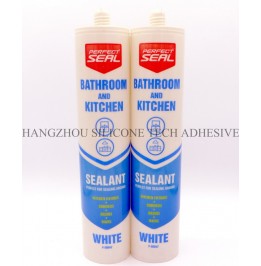
Sealants are typically formulated using polymers such as silicone, polyurethane, or acrylic. Each base polymer offers distinct advantages:
Brands may incorporate specialized additives to enhance performance. For example:
The combination of base polymers and additives varies significantly among brands, leading to differences in elasticity, adhesion strength, and environmental resistance.
Sealants cure through different processes, such as moisture-curing or chemical reactions. Curing speed affects project timelines:
Brands often optimize curing mechanisms for specific applications. For instance, a sealant designed for vertical surfaces might cure faster to prevent sagging, while a floor sealant might prioritize gradual curing for even hardening.
Joints in buildings or infrastructure experience thermal expansion, vibration, or settlement. Sealants must accommodate this movement without failing:
Brands engineer their products with varying elasticity to match movement requirements, ensuring long-term performance without cracking or delamination.
Sealants must withstand local climate conditions:
Brands test their products under simulated climate conditions to ensure reliability in target markets.
In industrial settings, sealants may contact oils, solvents, or acids. Resistance varies by formulation:
Understanding the chemical environment helps select a sealant that maintains adhesion and appearance over time.
Sealant lifespan ranges from 5 to 25 years, depending on formulation and application:
Brands often provide warranties or lifespan guarantees based on testing, offering insight into product durability.
Some sealants demand regular upkeep to preserve performance:
Low-maintenance sealants are preferable for hard-to-reach areas or projects with limited access for repairs.
Sealants must meet regional building codes for fire safety, emissions, or structural performance. Compliance ensures:
Brands often highlight certifications like ASTM, ISO, or EN standards to demonstrate adherence to industry requirements.
Independent testing verifies claims about performance metrics such as adhesion strength or movement capability. Look for:
Third-party validation provides objective evidence of a sealant’s capabilities, aiding informed decision-making.
By evaluating these factors—material composition, application-specific performance, environmental resistance, durability, and certifications—professionals can discern the performance differences among sealant brands. This approach ensures selections align with project requirements, enhancing longevity and reducing lifecycle costs.
Copyright 2019 by Hangzhou Silicone Tech Adhesive Co., Ltd. All rights reserved.
Bathroom Sealant | Acrylic Sealant | Dow Corning 795 | Aquarium Sealant | Dow Corning 732 | Clear Silicone Sealant | Polysulfide Sealant | Glazing Sealant | Mirror Sealant | IG Sealant
Powered by Onepound


