E-mail:
sales@silicone-sealant-china.com

When renovating or sealing spaces, ensuring proper pressure management after applying sealants is crucial for maintaining structural integrity and achieving long-lasting results. Whether sealing joints in kitchens, bathrooms, or living areas, understanding how furniture placement affects sealant performance can prevent costly repairs and ensure safety. Below are key considerations for managing pressure on freshly sealed surfaces.
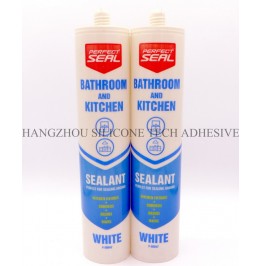
Sealants require time to cure fully, during which their physical properties evolve. Initially, sealants are soft and pliable, gradually hardening as they react with moisture or heat, depending on the formulation. This curing process is sensitive to external pressures, such as those exerted by furniture legs or heavy objects.
Applying pressure too soon can disrupt the bonding process between the sealant and the substrate. For instance, placing a heavy cabinet on a freshly sealed kitchen countertop may cause the sealant to shift, creating gaps or uneven surfaces. These imperfections compromise the seal’s ability to prevent water ingress, leading to potential mold growth or structural damage over time.
Environmental conditions play a significant role in curing times. In cold or humid environments, sealants may take longer to harden, increasing the risk of deformation under pressure. Conversely, excessive heat can accelerate curing but may also cause the sealant to become brittle if not allowed to set properly. Monitoring ambient conditions and adjusting furniture placement schedules accordingly is essential for optimal results.
To minimize pressure on freshly sealed areas, adopt the following practices during and after application.
Allow sufficient curing time before placing heavy items on sealed surfaces. While manufacturers often provide general guidelines, factors like sealant type, substrate material, and environmental conditions can influence drying times. For example, silicone-based sealants used in bathrooms may require 24–48 hours to cure fully, while polyurethane variants in kitchens might need longer.
For unavoidable early placement, use temporary protective measures. Place non-slip mats or cardboard under furniture legs to distribute weight evenly and reduce direct contact with the sealant. Avoid plastic sheets, as they can trap moisture and prolong curing. Additionally, elevate furniture slightly using wooden blocks to prevent pressure concentration on specific points.
When arranging furniture, prioritize even weight distribution. Avoid clustering heavy items in one area, as this creates localized stress points. For example, in a living room, spread sofas, bookshelves, and entertainment units across the floor rather than grouping them near sealed joints. This approach reduces the likelihood of sealant failure and ensures uniform wear over time.
Even after initial curing, regular maintenance is vital for preserving sealant integrity.
Inspect sealed areas periodically for cracks, gaps, or discoloration, which may indicate pressure-related damage. Pay special attention to high-traffic zones or regions beneath heavy furniture. Early detection allows for timely repairs, preventing minor issues from escalating into costly repairs.
Natural settling or shifting of buildings can alter pressure distribution on sealed surfaces. For instance, wooden floors may expand or contract with seasonal humidity changes, affecting adjacent sealants. Use flexible sealants in areas prone to movement and consider installing expansion joints to accommodate substrate shifts without compromising the seal.
Over time, sealants may degrade due to UV exposure, chemical contact, or mechanical stress. If signs of wear appear, remove the old sealant and reapply a fresh layer following the same pressure management principles. This proactive approach extends the lifespan of sealed areas and maintains their functionality.
By understanding sealant curing dynamics, implementing safe furniture placement strategies, and committing to long-term maintenance, homeowners and contractors can ensure durable, effective seals that withstand daily use and environmental challenges. Prioritizing these practices not only enhances the aesthetic appeal of renovated spaces but also safeguards their structural health for years to come.
Copyright 2019 by Hangzhou Silicone Tech Adhesive Co., Ltd. All rights reserved.
Bathroom Sealant | Acrylic Sealant | Dow Corning 795 | Aquarium Sealant | Dow Corning 732 | Clear Silicone Sealant | Polysulfide Sealant | Glazing Sealant | Mirror Sealant | IG Sealant
Powered by Onepound


